
 Gaby
Gaby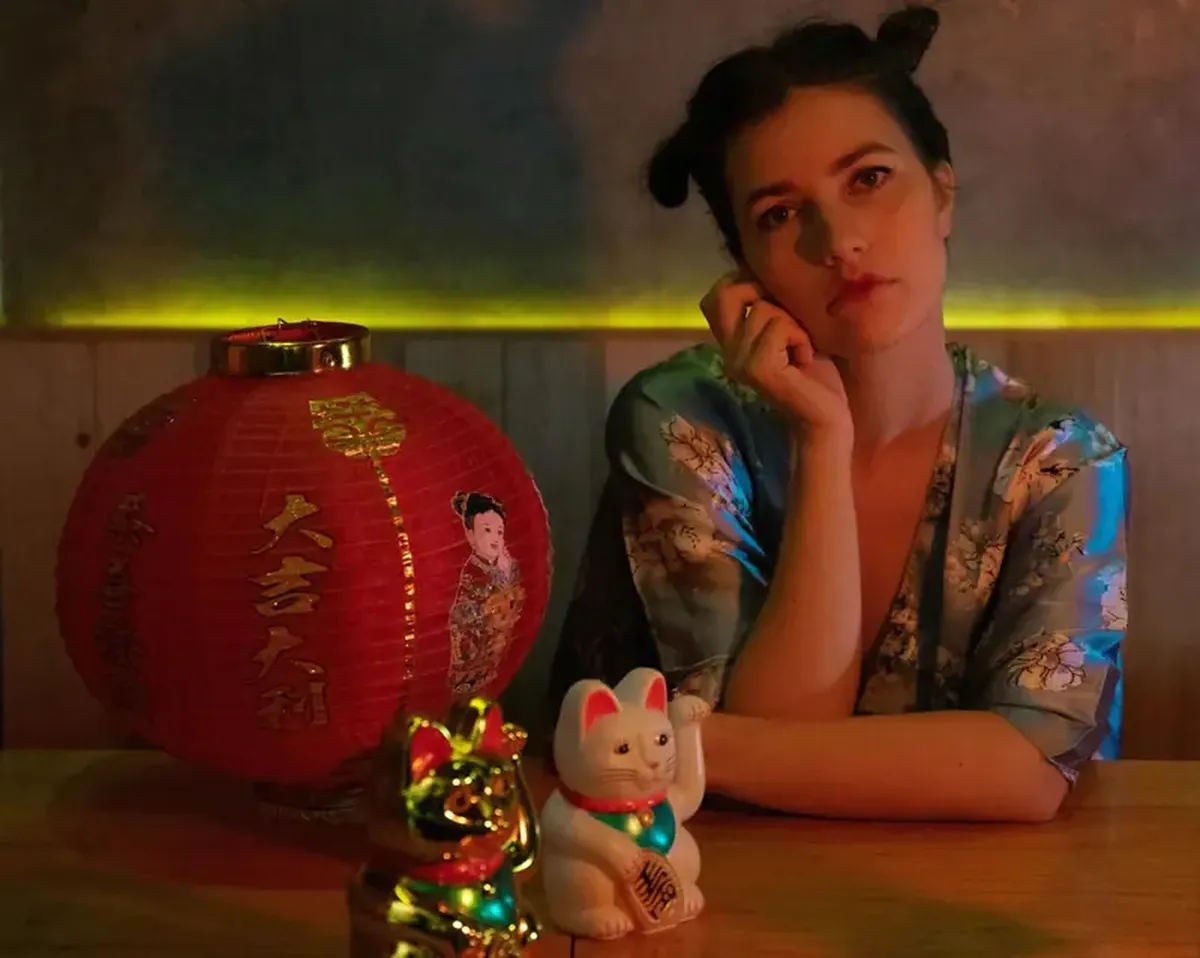
The Chinese view of fate and events centers on a harmony of energies people use to ease troubles and stress. Why does Feng Shui stress “awakening the Dragon,” and how can arranging space help in extreme situations? April 8 is Feng Shui Day, a Daoist practice focused on the symbolic arrangement of space.
What is Feng Shui?
The name Feng Shui literally means “wind and water.” At the core of this theory are the teachings of the Chinese master Yang Yi, who proposed a method called “finding the Dragon where it is hardest to detect.” In his three books he argued that a prosperous household needs the “breath of the Dragon” and described places where that energy is strongest. For a Western mindset, phrases like “the art of awakening the Dragon” and “the rules of surprising the Dragon” can sound abstract unless a teacher translates the ideas into simpler terms.
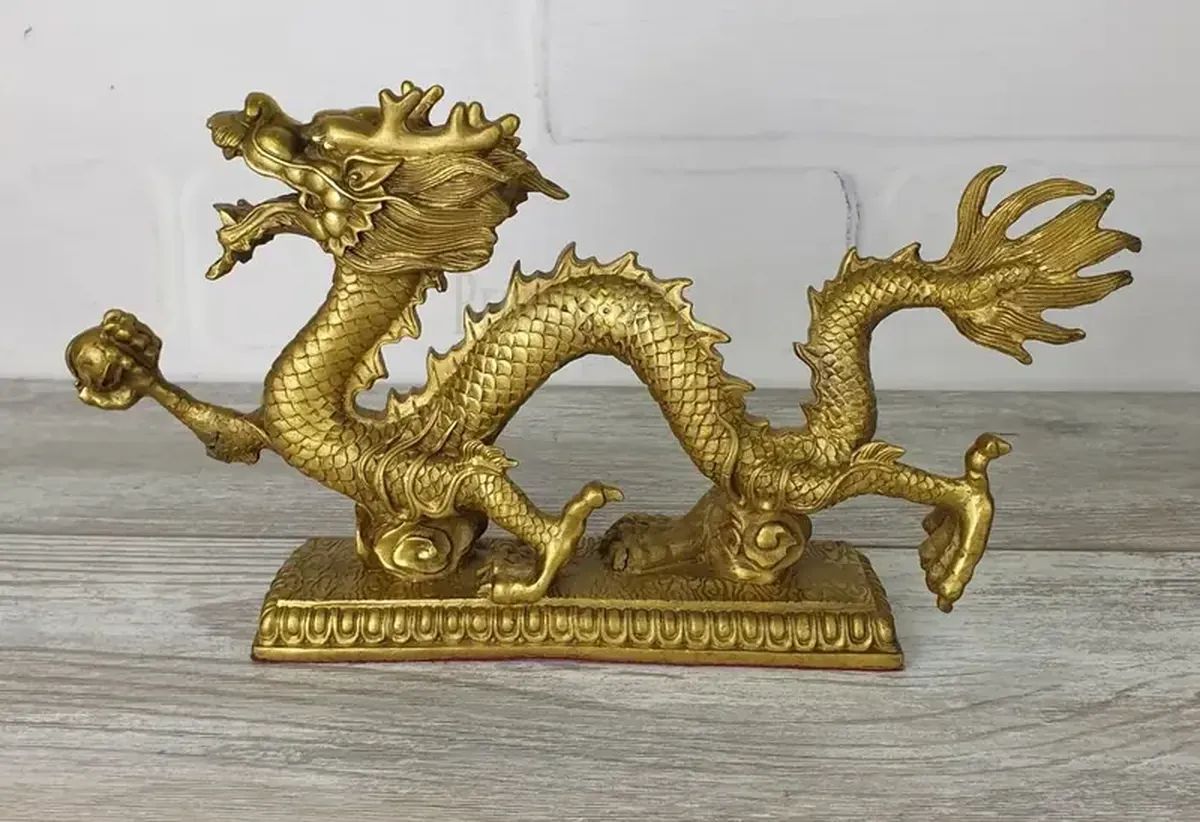
One modern interpreter was Thomas Lin Yu, an American of Chinese heritage who, in 1986, distilled Yang Yi’s ideas into symbolic, esoteric interpretations for students. Lin divided space into zones tied to specific purposes and suggested placing objects in sectors associated with career, wealth, love, children, and so on to “activate” those energies. Traditional Feng Shui, though, doesn’t rely on fixed “family,” “wealth,” “love,” or “health” zones. Each home’s energy is unique and must be calculated individually, based on the relationship between space (measured with a compass) and time (measured with a calendar).
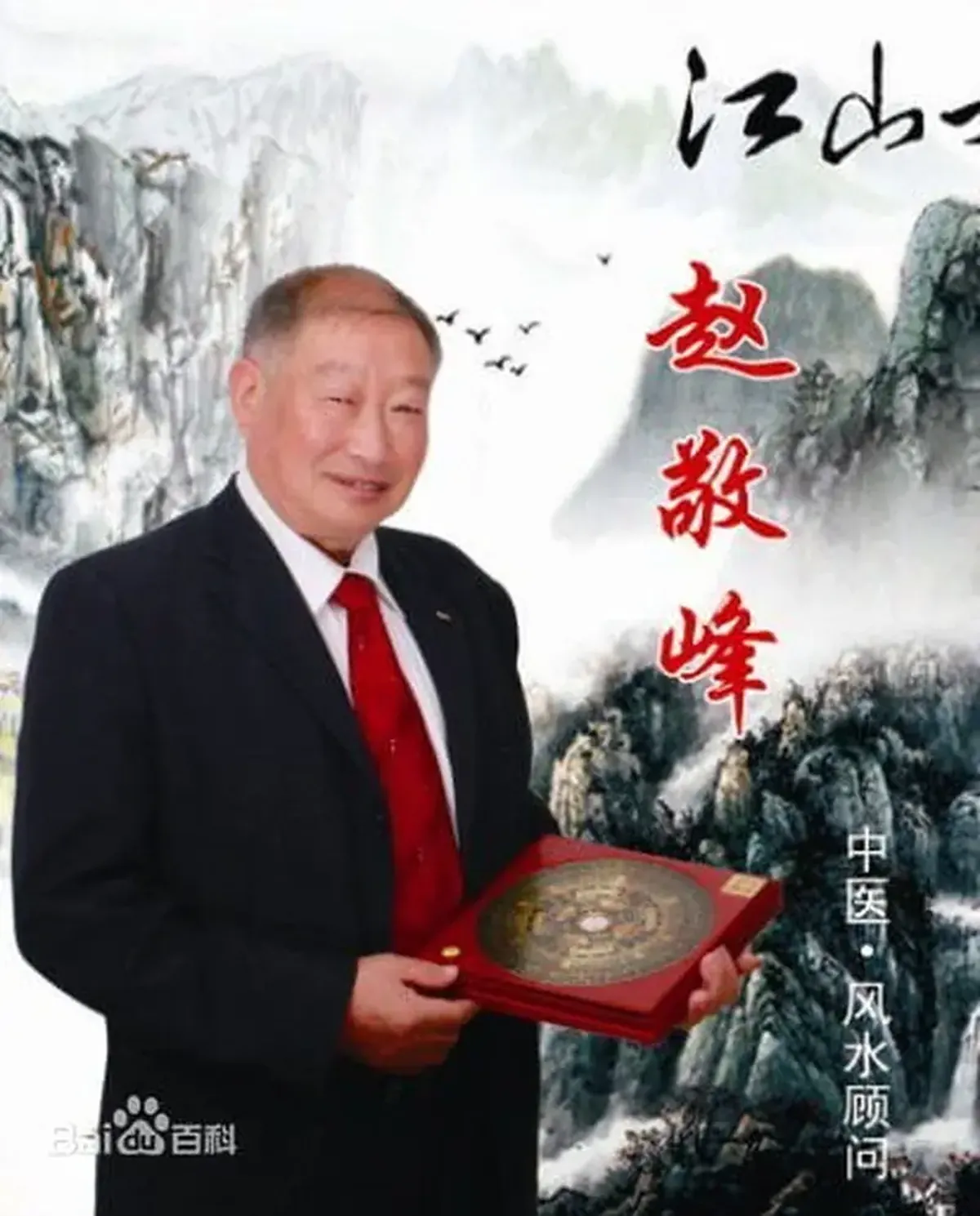
Practitioners emphasize that Feng Shui’s working material is chi — the life force, breath, or energy described in Chinese culture and medicine. According to Chinese philosophy, this energy flows through space according to cosmic laws. Feng Shui aims to locate favorable chi flows and use that energy to benefit people. Practitioners also believe Feng Shui can help determine optimal locations for homes or burial sites.
“Heavenly Happiness”
The concept of Feng Shui recognizes chi flowing through plots, buildings, and rooms. Like the wind, this energy permeates nature, people, and objects. Because it operates independently of human will, it is sometimes called “heavenly fate” or “heavenly happiness.” In Daoist terms, “heavenly happiness” is what a person or place receives at birth. “Human happiness” comes from conscious actions: ideas, deeds, character, education, and merits. “Earthly happiness,” in Feng Shui, refers to the earthly energy flows that affect a person’s fate — health, relationships, and life events.
For centuries, people in China have viewed the universe as an integrated whole, and Feng Shui has been treated as a way to live in harmony with natural energy flows. It is believed that this energy radiates through the body via nine channels. By harnessing nature’s positive energy and neutralizing the negative, Feng Shui aims to improve health and relationships. To harmonize fate and support well-being, Feng Shui guidelines recommend avoiding ugly or dysfunctional furniture, long corridors, and dead corners, since these areas can create stagnant chi. In an apartment or house, correct placement of doors, windows, furniture, and essential items matters because these elements should not sit in an unharmonious flow.
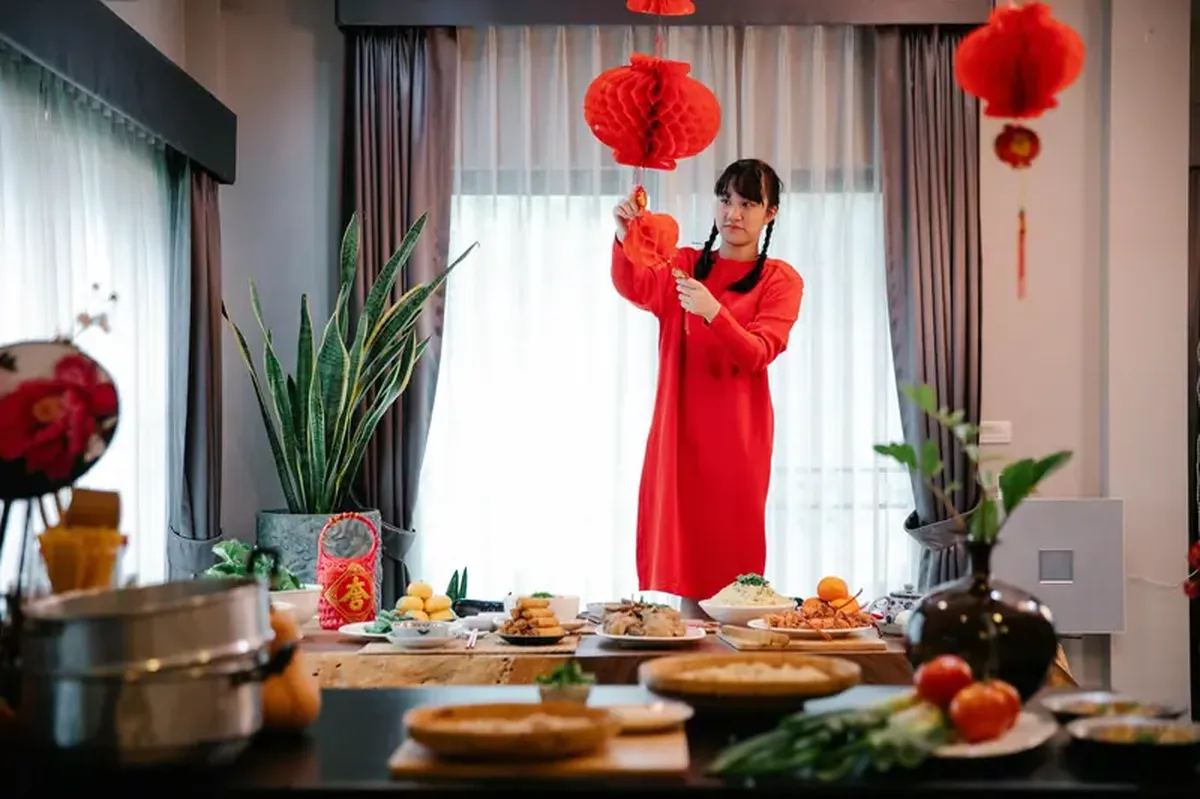
For example, people typically address negative energy by increasing activity in the affected area. It is impossible to keep harmful nonmaterial energy completely out of a home, but you can reduce its influence by rearranging active areas of life. A temporary energy imbalance (called “earthly misfortune”) can sometimes be corrected on-site using the positive energy of a person in that space, if their energy is strong enough to alter the environment. If someone lacks that inner energy, they may draw it from external sources: spiritual or physical practices (prayer, acupuncture, or acupressure) or from resourceful people.
Feng Shui Rules
Turning to amulets is one way people try to personify energy through objects such as icons, crosses, rosaries, paintings, or Buddha figurines. Traditionally, people have used amulets to invite beneficial energy into their homes, but classical Feng Shui doesn’t involve souvenir figurines, talismans, or charms; equating the practice with folk superstition is misleading. Instead, the Chinese system relies on non-personified natural elements: the five elements of fire, earth, wood, water, and metal. Classical Feng Shui combines ideas from philosophy, astronomy, astrology, mathematics, and physics.
At the turn of the 20th century, the two oldest schools of Feng Shui merged: the Form School (“Xin Fa”) and the Compass School (“Li Zuo Pai”). The Form School specializes in the placement of buildings and graves, seeking the “Dragon’s lair” by studying terrain and landscape. The Compass School analyzes time (heavenly forces) and space (earthly forces) using calculations and symbols from the Book of Changes, including trigrams and hexagrams. The goal is to align a person’s type of chi with the compass directions, working with eight distinct energies.
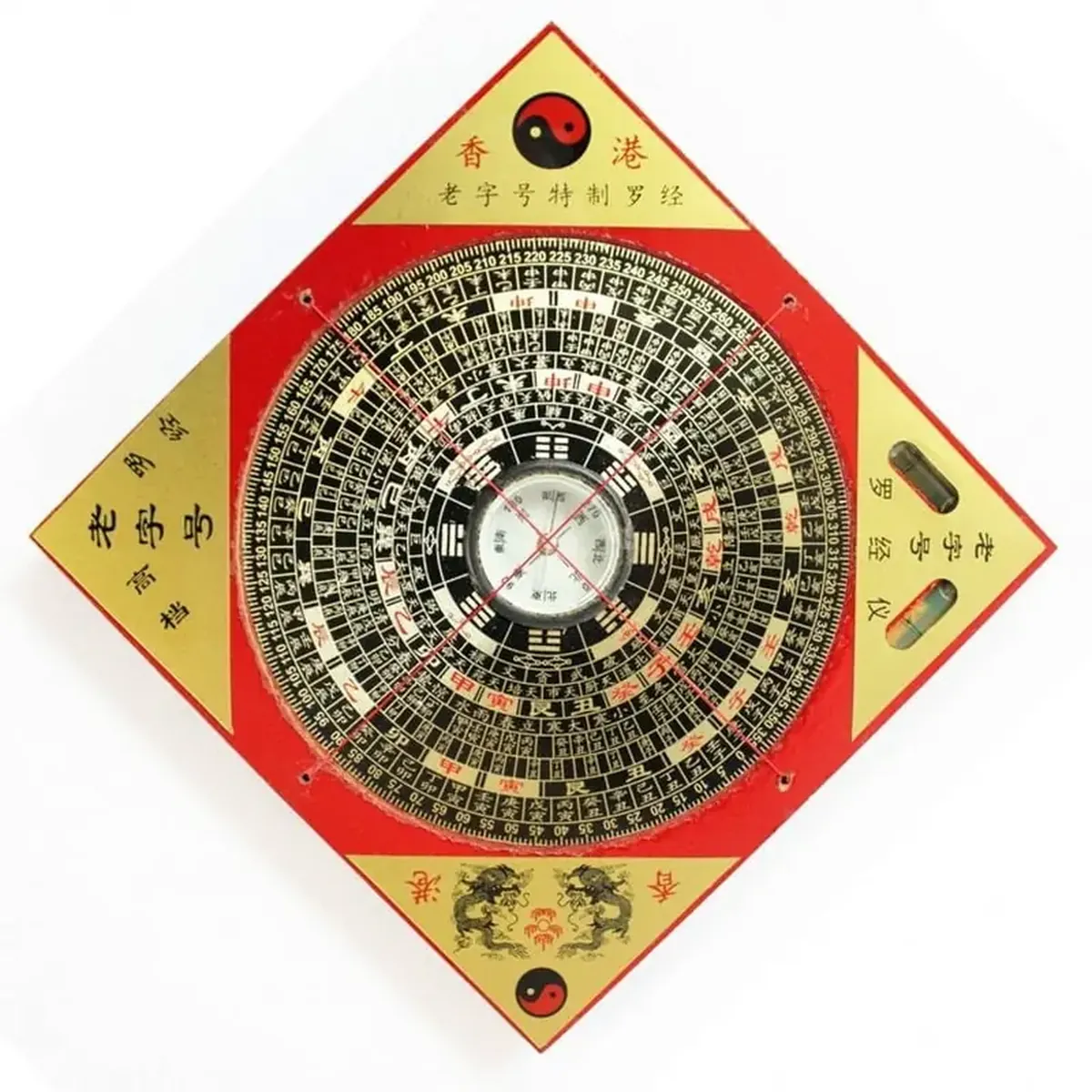
In the Middle Ages, Feng Shui rules were kept secret and accessible only to the elite — aristocrats and rulers. Emperors paid Feng Shui experts well for advice and punished those who revealed confidential knowledge. Today Feng Shui principles still guide life in many Asian countries. In their quest for success, not only private citizens in Singapore, Hong Kong, and Taiwan consult masters; respected corporations do as well. Feng Shui has been reviving in places where it was once suppressed, including mainland China.
Feng Shui of the Home
In homes and offices, people increasingly arrange furniture with energy exchange in mind. According to Feng Shui, space should be organized to stimulate positive energy flow and reduce negative energy.
Living Room
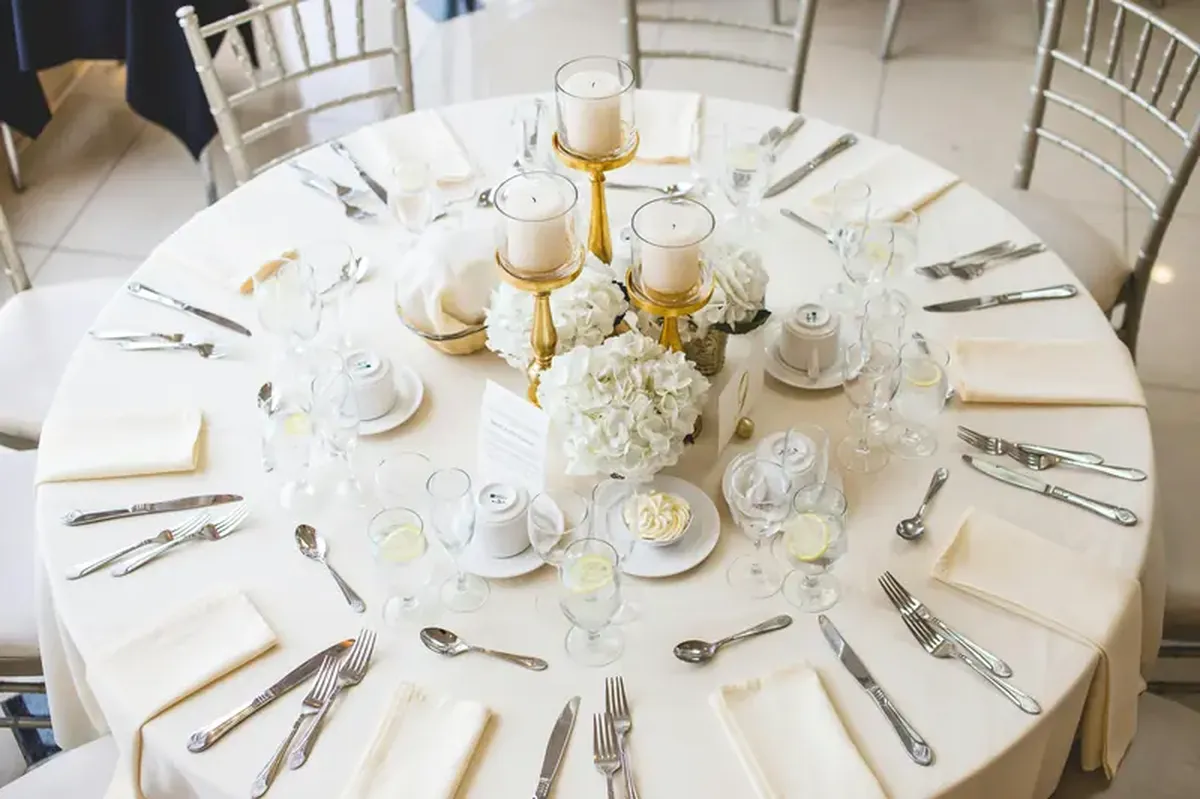
In the center of the main room, where the energy of family members and guests converges, Feng Shui favors a round or oval table surrounded by a sofa, chairs, or stools. Pushing furniture flat against opposite walls is discouraged: avoid placing a television on one wall and a sofa on the opposite wall. Give the television a special stand or mount, and avoid placing it next to a window or a door.
Bedroom
The bedroom should contain only essential furniture, with special attention to the bed. The bed should be on legs, and the space under it and on both sides should be kept clear. The bed should not face the door directly; rather, the person lying in bed should be able to see the door. Avoid placing a mirror so that it reflects the bed, since reflections are said to drain energy. Computers, televisions, houseplants, and vivid images on the walls are generally inappropriate for the bedroom.

Kitchen
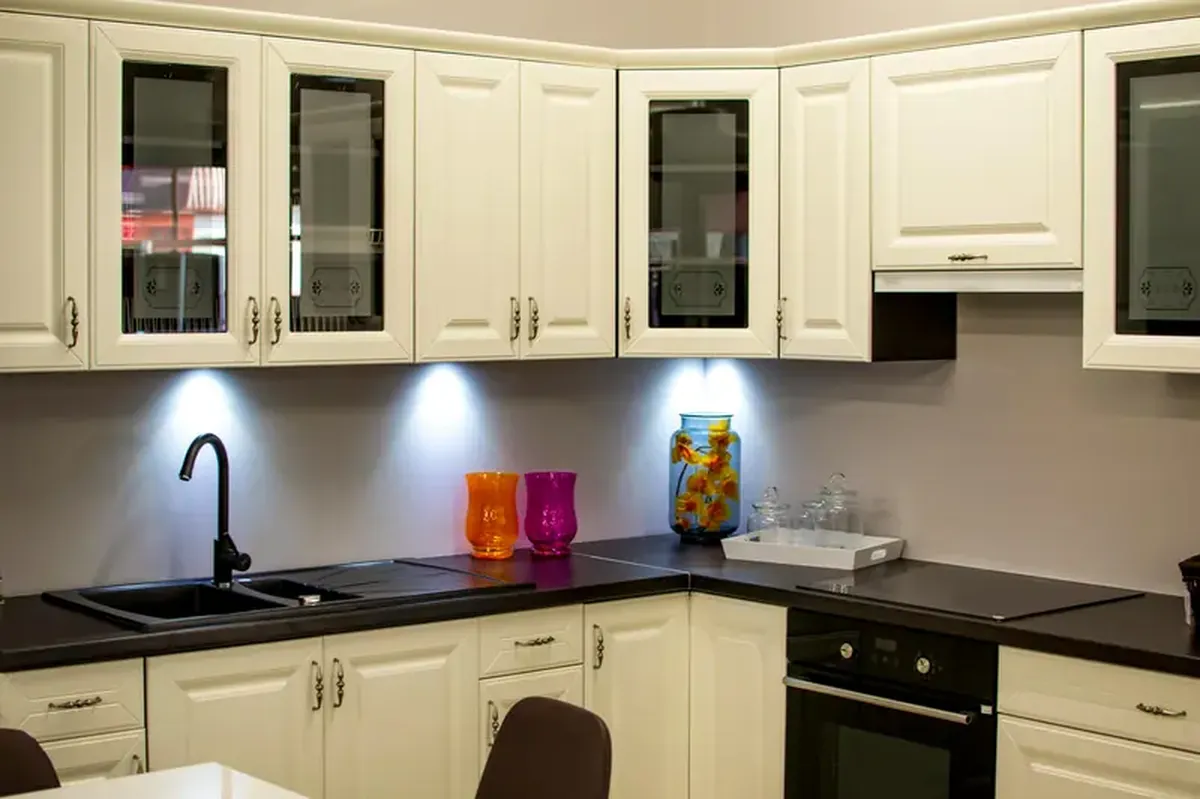
Feng Shui recommends a round or oval dining table and advises against placing the sink next to the stove because fire and water are opposing energies. Traditionally, the stove belongs in the southeastern sector of the room and the sink in the northeastern sector. The refrigerator should not sit next to the stove; keep the refrigerator in the kitchen, not the hallway.
Children’s Room
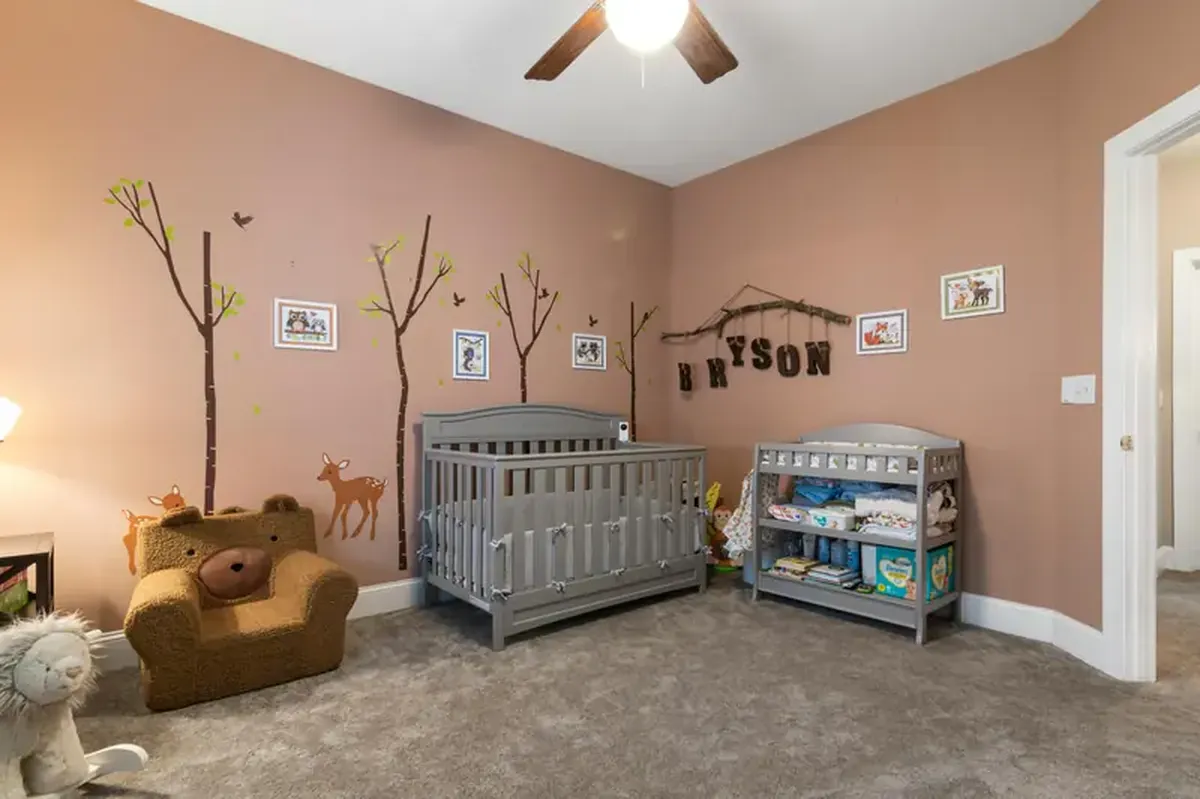
The children’s room should not be near the apartment entrance or next to a bathroom, pantry, or kitchen when possible. If you can’t follow all the rules, keep the children’s room door closed. Ideally, place the children’s room in the eastern part of the apartment and organize the sleeping area near a window. Bunk beds are not favored by Feng Shui. Visually separate the play area with furniture or wall colors. Position the desk near the room entrance, but not directly opposite the door.
Feng Shui is Creativity
The main rules of Feng Shui for an apartment include:
- Limit furniture in small rooms;
- Place large items first: beds and sofas;
- Don’t place mirrors directly opposite the entrance;
- Put a mirror in the hallway near the door;
- Set furniture on legs, keeping it 15–20 cm off the floor;
- Place tall cabinets along the walls;
- Cover sharp corners with other furniture, not above sleeping or sitting areas;
- Remove or store items that aren’t used for a long time;
- Avoid shelves or beams above sleeping or sitting areas;
- Keep the home orderly, and make sure windows stay clean.
While there’s no scientific evidence supporting Feng Shui’s mystical claims and many scientists consider it a pseudoscience, many people enjoy its imaginative approach as a creative way to arrange their surroundings.
By striving for harmony through the accumulation of favorable energy, sheng-chi (“the breath of the satisfied Dragon”), people often boost their mood and sense of well-being. Psychologists note that sheng-chi can ease stress and help preserve both physical and mental health during extreme situations. A sufficient amount of positive energy may make it easier to adapt to change and endure difficult conditions until better times arrive.
