
 Carlos Solis
After touring the exhibits at GITEX Global and the Expand North Star startup conference in Dubai, BBC Science Focus highlighted several practical, surprising innovations that could soon hit the market.
Flying Taxi with an Autonomous Car Included
Imagine a flying taxi that docks with a four-wheeled vehicle. It sounds like sci‑fi, but that’s exactly the concept Guangzhou Automobile Group has unveiled with the GOVY AirCab.
This electric aircraft is designed for urban air transport and tourism and has vertical takeoff and landing (VTOL) capability. It lands on an autonomous ground chassis that looks like a futuristic car, so the vehicle can function as both an air taxi and a ground taxi.
The company has already conducted test flights and is applying for safety certification for the GOVY AirCab. A public demonstration is expected by the end of next year, with production slated to begin within two years. The developers say the taxi could appear in other countries within five years.

Spider Silk That Heals
Did you know spider silk can be stronger than steel? Plus, it’s eco-friendly.
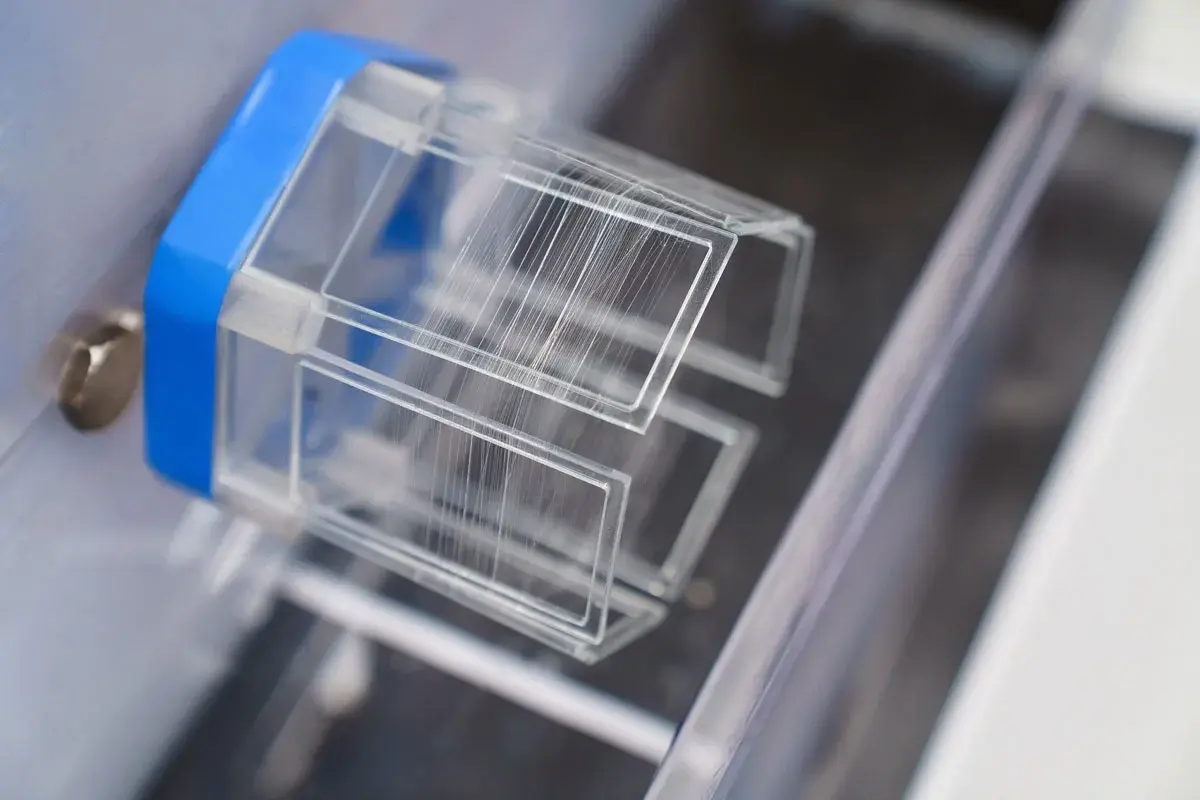
Captivated by those advantages, the Latvian biotech company PrintyMed has developed synthetic spider silk. The material is produced in lab conditions that mimic the natural spinning process, resulting in fibers that are remarkably strong, flexible, and biocompatible.
In collaboration with the Latvian Institute of Organic Synthesis, the development team created proteins from which the silk threads are spun, taking inspiration from how spiders weave their webs.
This eco-friendly material can be produced at scale. The inventors plan medical applications such as durable, thromboresistant heart valves and wound dressings that promote faster healing.
PrintyMed is already working on artificial organs and tissue scaffolds using synthetic silk. In the future, this material could help address the global shortage of organs for transplantation.
Smart Contact Lens That Replaces Screens
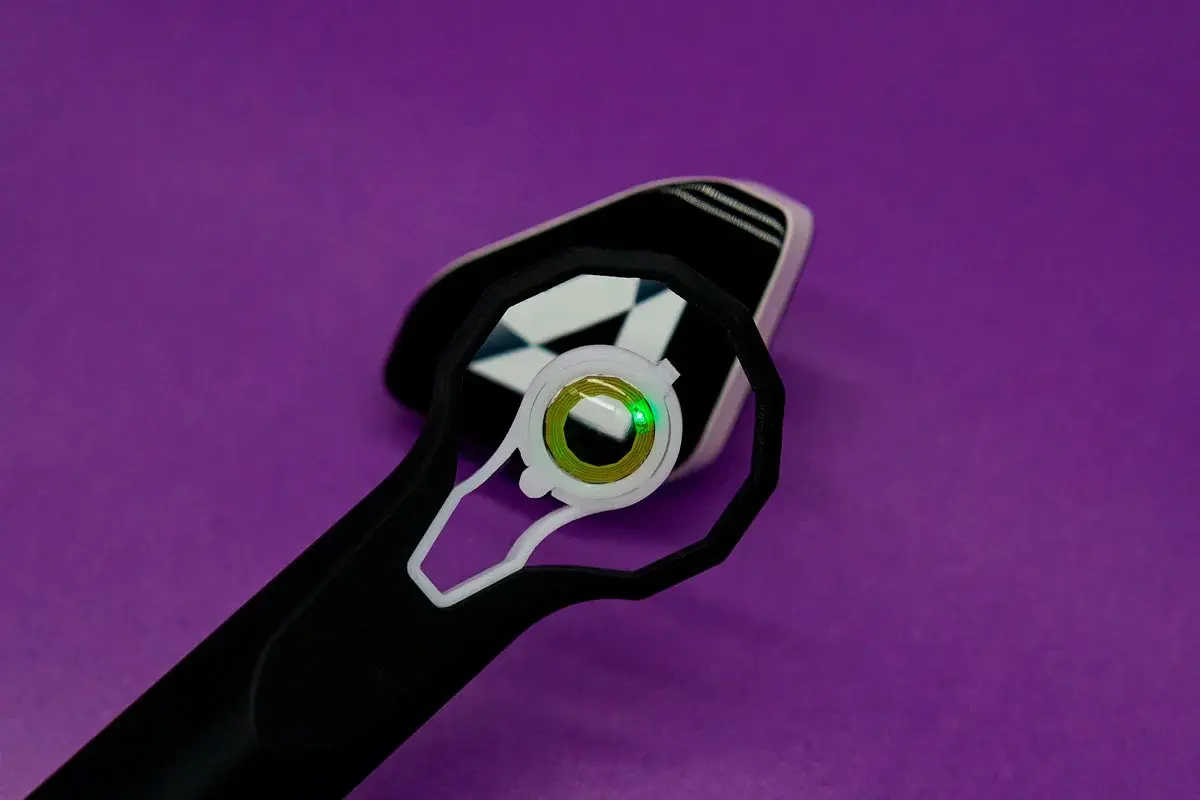
The UAE company XPANCEO aims to create the world’s first truly smart contact lens: a device that could one day replace phones, smartwatches, and glasses.
“Modern computers are bulky. They harm health and the planet. We need a single universal interface,” said co‑founder Roman Axelrod. He believes contact lenses could serve as that interface.
It’s still hard to imagine how a weightless, nearly invisible lens could combine all those gadgets while offering real‑time biosensing, health monitoring, night vision, and zoom.
The company plans a fully integrated prototype by the end of next year—a monochrome display that can show simple data and measure biological signals from the eye.
Interactive 3D Holograms
Real holograms still feel like science fiction. But Australian company Voxon is moving fiction toward reality with its VLED technology, which creates live three‑dimensional images that float in the air.
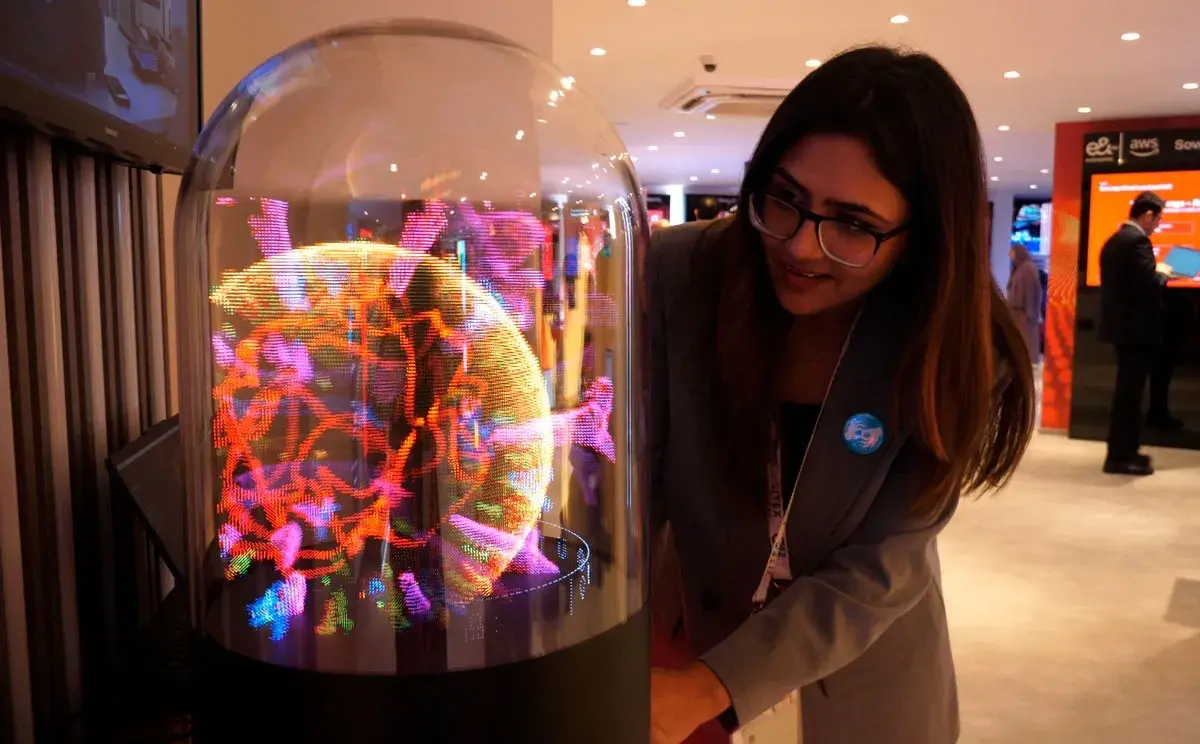
Unlike flat 3D projections, Voxon’s volumetric displays form images from millions of points of light suspended in space, producing true 360‑degree visuals you can view from any angle.
For example, the Voxon VX2 is a desktop device that generates holograms using a rapidly rotating LED matrix. In this device—resembling a large inverted glowing flask—you can view everything from medical scans and molecular models to game characters and architectural designs.
High‑Tech Dog House Protector
Leaving your dog outside a store or in the car may soon become inconvenient and even embarrassing.
Every dog owner might want a smart dog house developed by the Serbian startup Smartsy. This shelter gives pets a secure space with climate control.
The elegant Smartsy houses include automatic security locks, real‑time video surveillance, and walls insulated for sound and temperature to help dogs feel calm and comfortable. The high‑tech dog house also features a ventilation system and a UV lamp for sterilizing the interior.
