
 Gaby
Gaby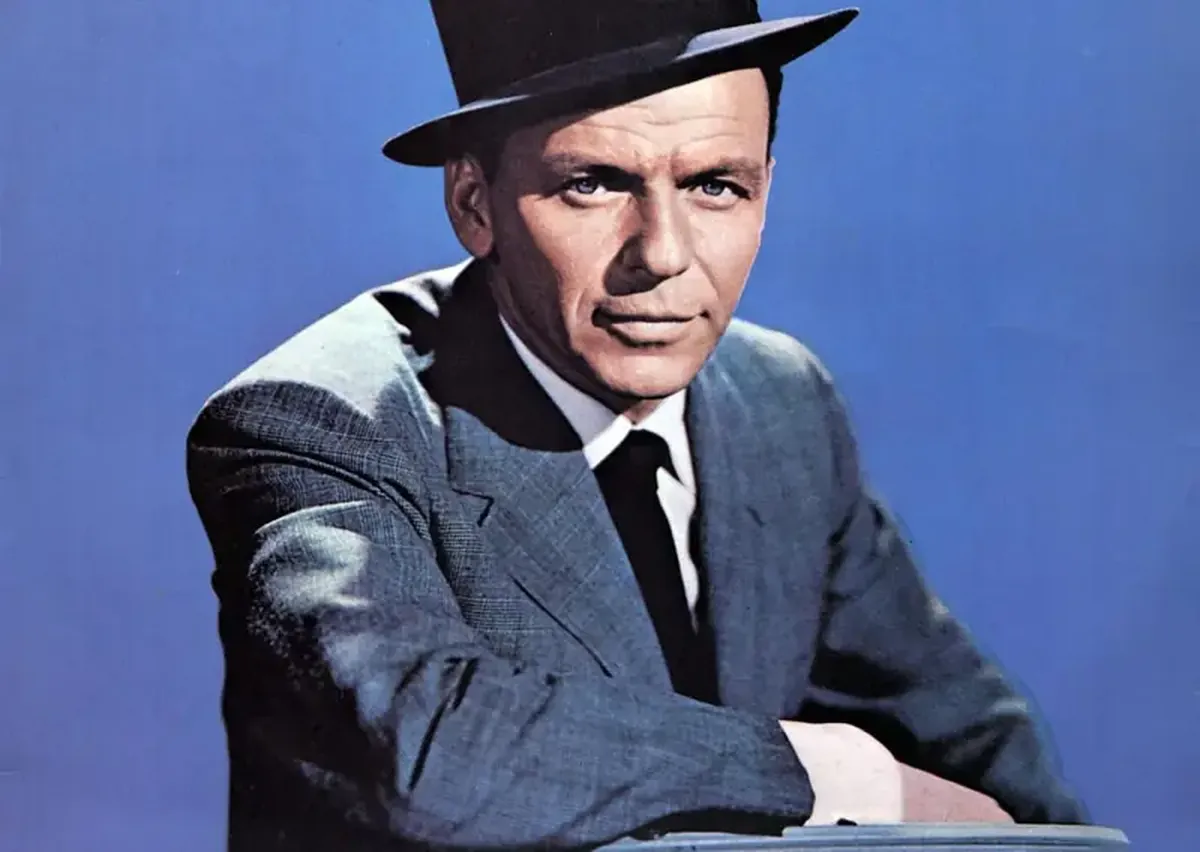
Frank Sinatra’s life read like an American epic — his career and persona were so iconic that some called his passing “the end of the 20th century.” His story mixes fame, fortune, women, and power. What were his friendships with politicians — and his ties to the mafia? Why would a man who was already a millionaire at 31 consider ending his life at the height of his fame? What forced him to rebuild, and how did he manage one of show business’s great comebacks?
“Mr. Blue Eyes”
From a young age, the boy with a “velvet” baritone was nicknamed “The Voice.” As he built a career as a showman, conductor, actor, director, producer, and political figure, he came to be called “The Elder Statesman.” The secret to his power over concert audiences, moviegoers, and colleagues was his personal charisma. It’s striking that leading American and European composers entrusted their best songs to a performer who often stepped onto the stage without being able to read music. Sinatra performed nearly 2,000 songs in 40 countries and sold more than 150 million records. His vocal, acting, and public achievements across a 60-year career include eleven Grammy Awards, an Academy Award, four Golden Globes, and the Congressional Gold Medal.
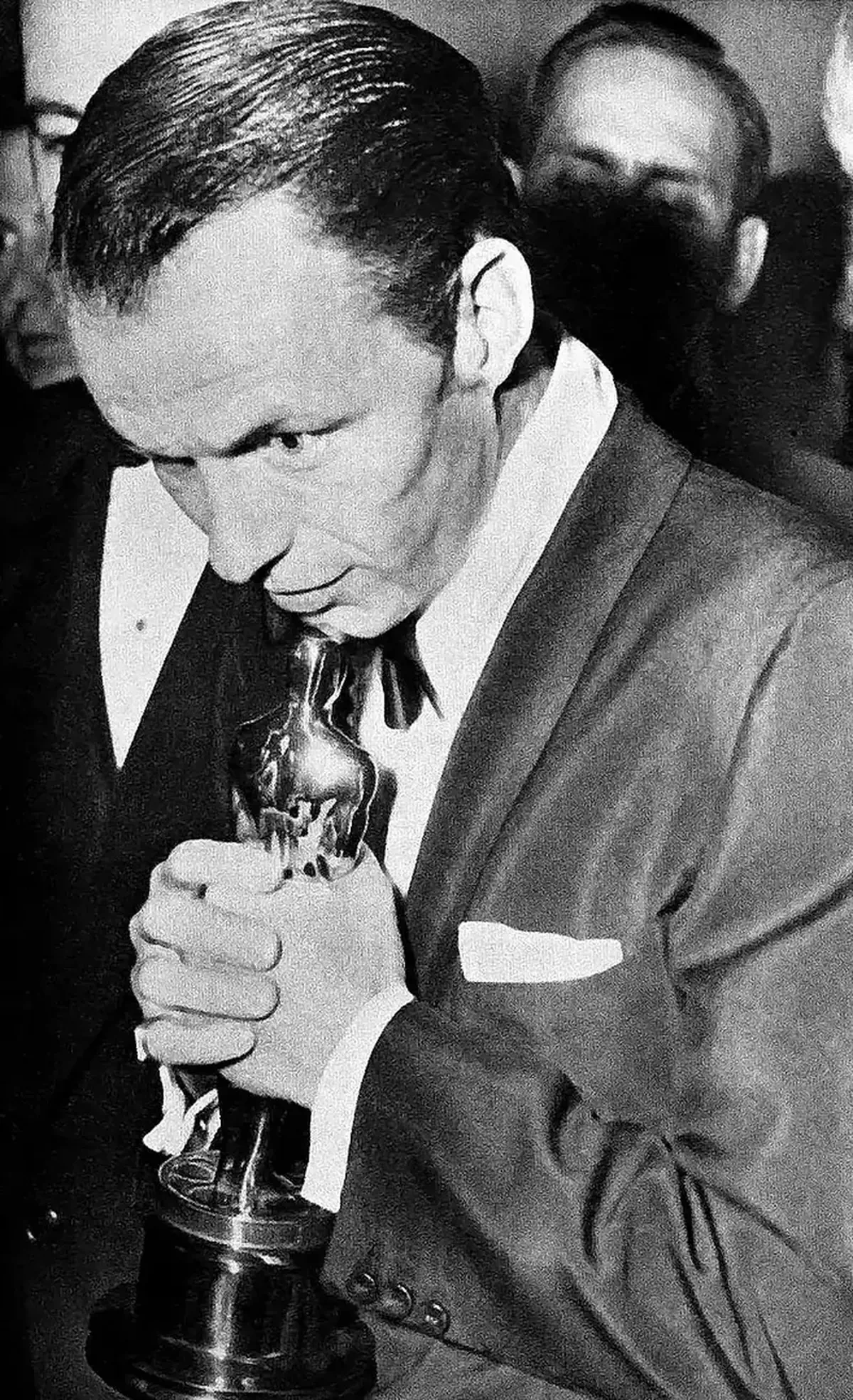
Frank Sinatra with his Oscar for the film From Here to Eternity, March 1954
Christmas in a Warm Tone
The American singer of Italian descent helped define the “crooning” style — from the English word croon, meaning to hum. He helped make the intimate, microphone-driven approach to singing a hallmark of popular music. Sinatra’s mastery rested on virtuoso rhythmic phrasing and crisp diction, the kind of phrasing that makes his recordings a useful tool for English learners. His Christmas songs have remained staples for more than half a century: Jingle Bells, Let It Snow, Santa Claus Is Comin’ to Town, Mistletoe and Holly, I’ve Got My Love to Keep Me Warm, and many others.

The Son of a Midwife and a Boxer
The future icon was born on December 12, 1915, in Hoboken, New Jersey, part of the New York metro area. Francis Albert — Frankie at home — was the child of Italian immigrants Antonio Martino Sinatra and Natalina Garaventa. His father came from Sicily and worked as a boilerman and dockworker; his mother came from Genoa and worked as a midwife and nurse. After Frank’s birth, his father boxed for extra income — he fought as a lightweight and proved popular with spectators — while his mother, according to rumor, supplemented the family income by performing illegal abortions. During the Great Depression those earnings meant Frankie had decent clothes (he often wore a white shirt, suit, and good shoes) and could go out with friends.
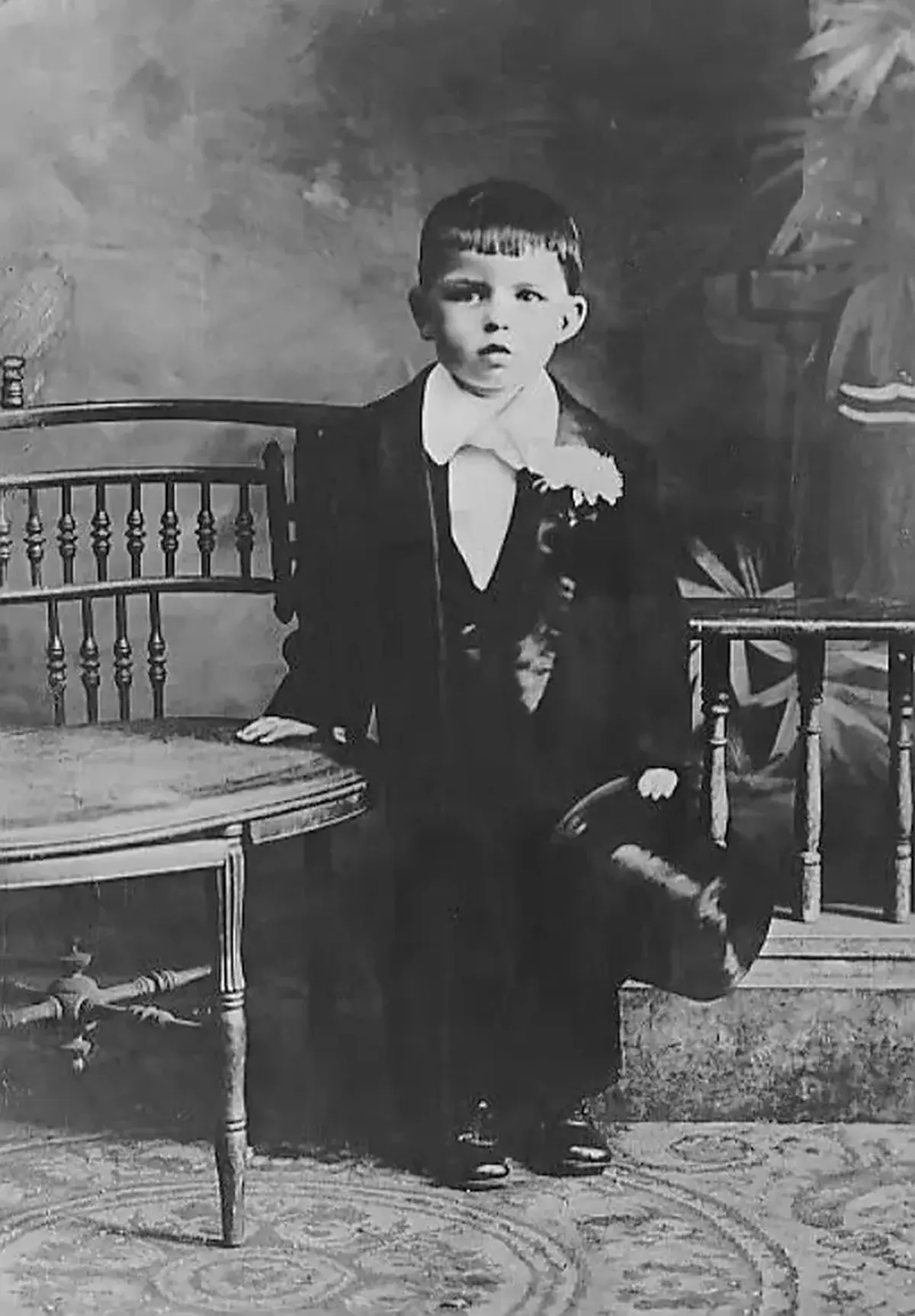
Frank at the age of 2-3 years
Birth Trauma
Midwife Dolly (Natalina was nicknamed for her “doll-like” appearance) had a difficult labor. The boy was born with great difficulty, and Frankie arrived as the family’s only child. Because the baby was unusually large and poorly positioned, attendants had to turn and extract him with forceps. That traumatic birth left lifelong marks: facial asymmetry, scars on his head and neck, and damage to his left ear and eardrum — the ear trouble later made him unfit for military service during World War II. A journalist who later questioned that unfitness and accused Sinatra of dodging the draft or using connections learned firsthand the toughness of Frank’s inherited boxing skills.
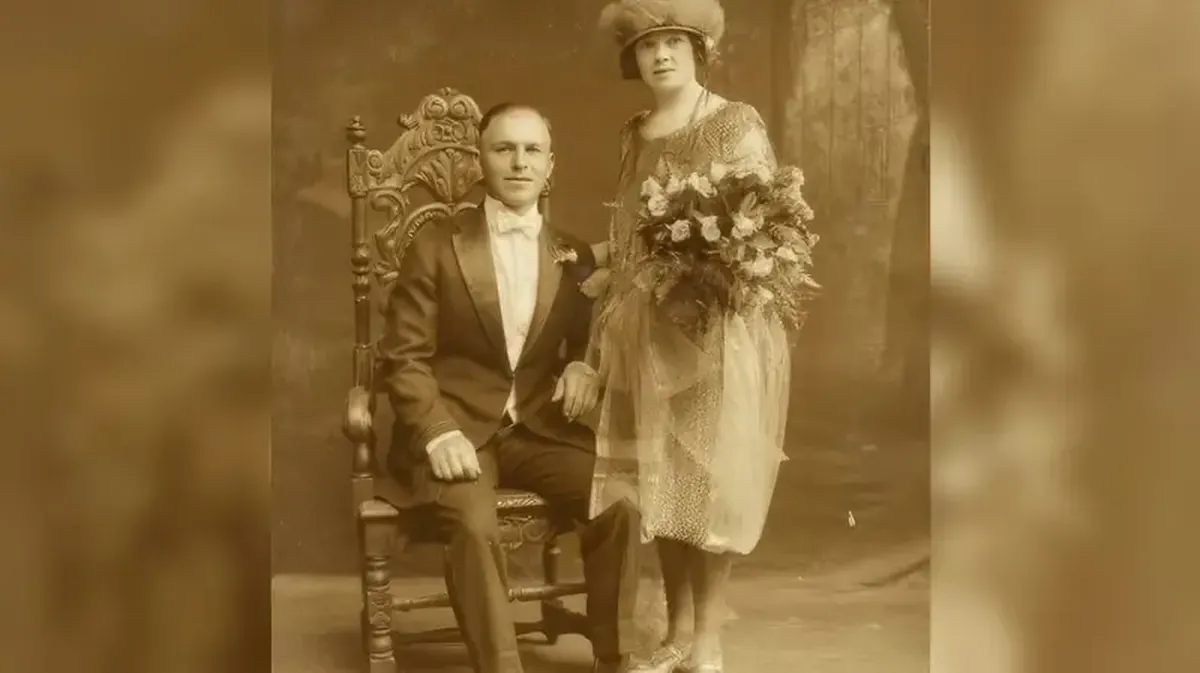
Frank Sinatra’s parents
Womanizer and Troublemaker
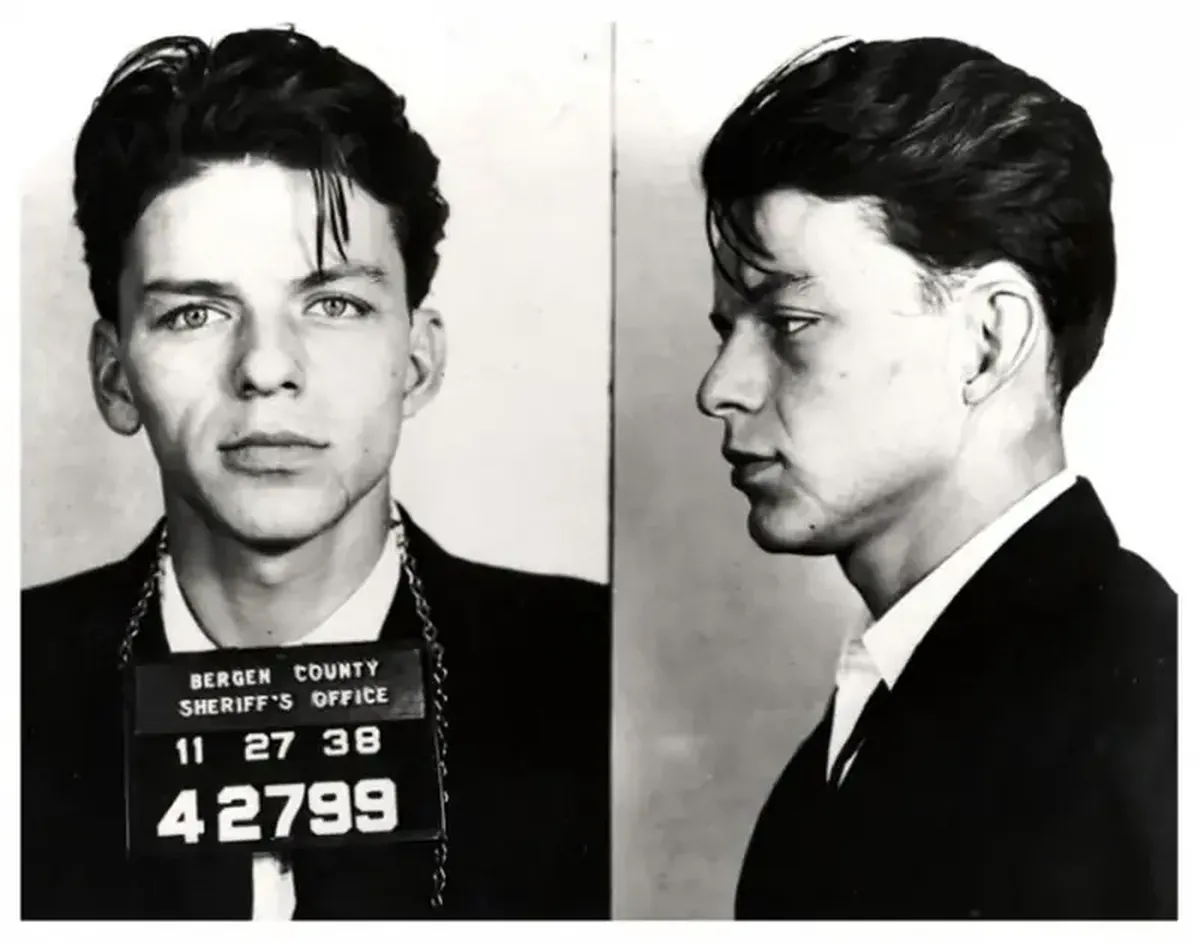
Political engagement ran in Sinatra’s family. His affinity for the Democratic Party grew up around him: his mother ran the local party branch in Hoboken, a place that now honors him with a statue. She was multilingual, advocated for abused women, and helped immigrants with translations. Because his mother worked so much, Sinatra was raised largely by his grandmother and aunt and grew up in the Roman Catholic tradition. He later showed that faith publicly when he turned to the church to pray for his mother after her death in a 1977 plane crash. Frankie had neither a formal musical education nor a full secondary education: he was a poor student and attended fewer than 50 classes before being expelled for misconduct. In 1938 Sinatra was arrested in a case then described as adultery and seduction.
Manly Affairs
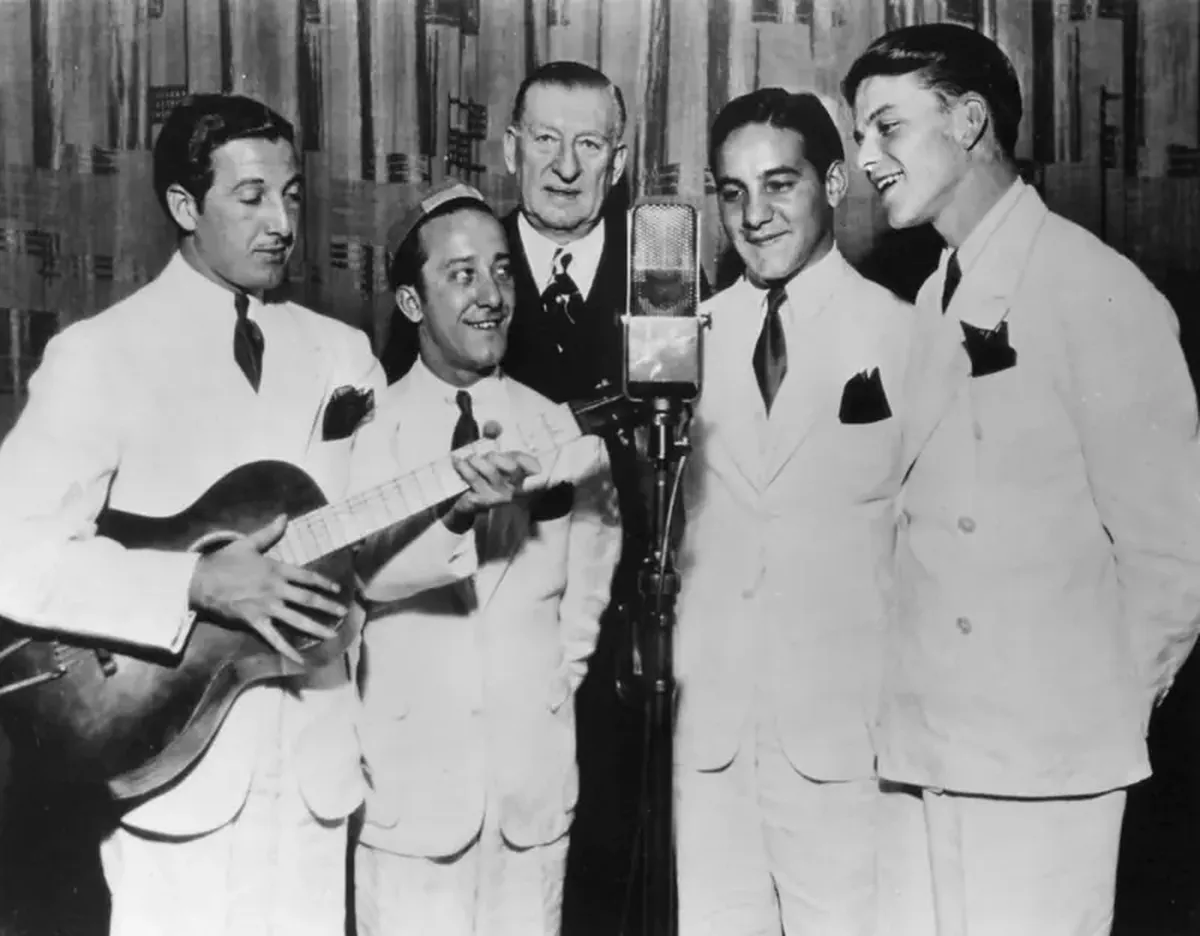
From an early age, Sinatra learned to hold his own and could charm a room. Confidence, independence, and friendliness drew people of many backgrounds to him. He learned the art of conversation in his father’s bar: as a teenager, the boy with the injured ear but perfect pitch would sing for patrons at the drinking establishment where his father worked after leaving boxing because of broken wrists. Later, Sinatra Sr. joined the fire department and rose to captain. Frank sang in the church choir, taught himself melodies on the ukulele, and over years of performing learned to read music and play piano. In 1935 he won a talent contest and, after an appearance on a popular radio show, went on his first tour.
Lifetime Contract
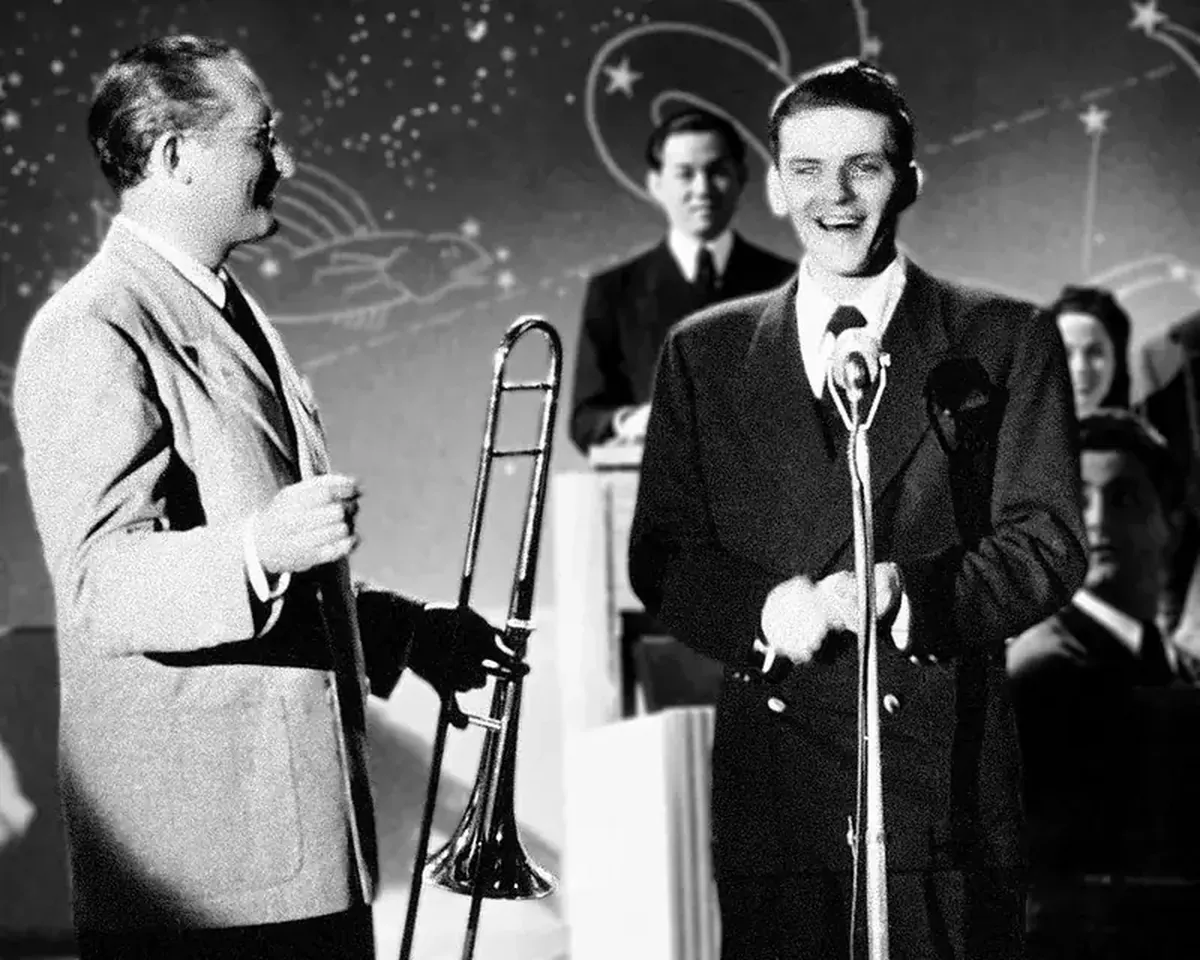
Sinatra built his early career with radio appearances and gigs at a New Jersey music restaurant, where producers took notice. His big break came with stints in the swing orchestras of trombonist Tommy Dorsey and trumpeter Harry James from 1939 to 1942. But an inexperienced Sinatra signed a predatory contract that forced him to give nearly half his earnings to Dorsey. When he finally escaped the deal, rumors spread that the mafia had helped him. A similar episode appears in The Godfather: the singer Johnny Fontaine in the novel is widely seen as a nod to Sinatra. Dorsey and others involved denied any suggestion that Sinatra’s problems were solved by paid-for interventions.
How to Become a Star
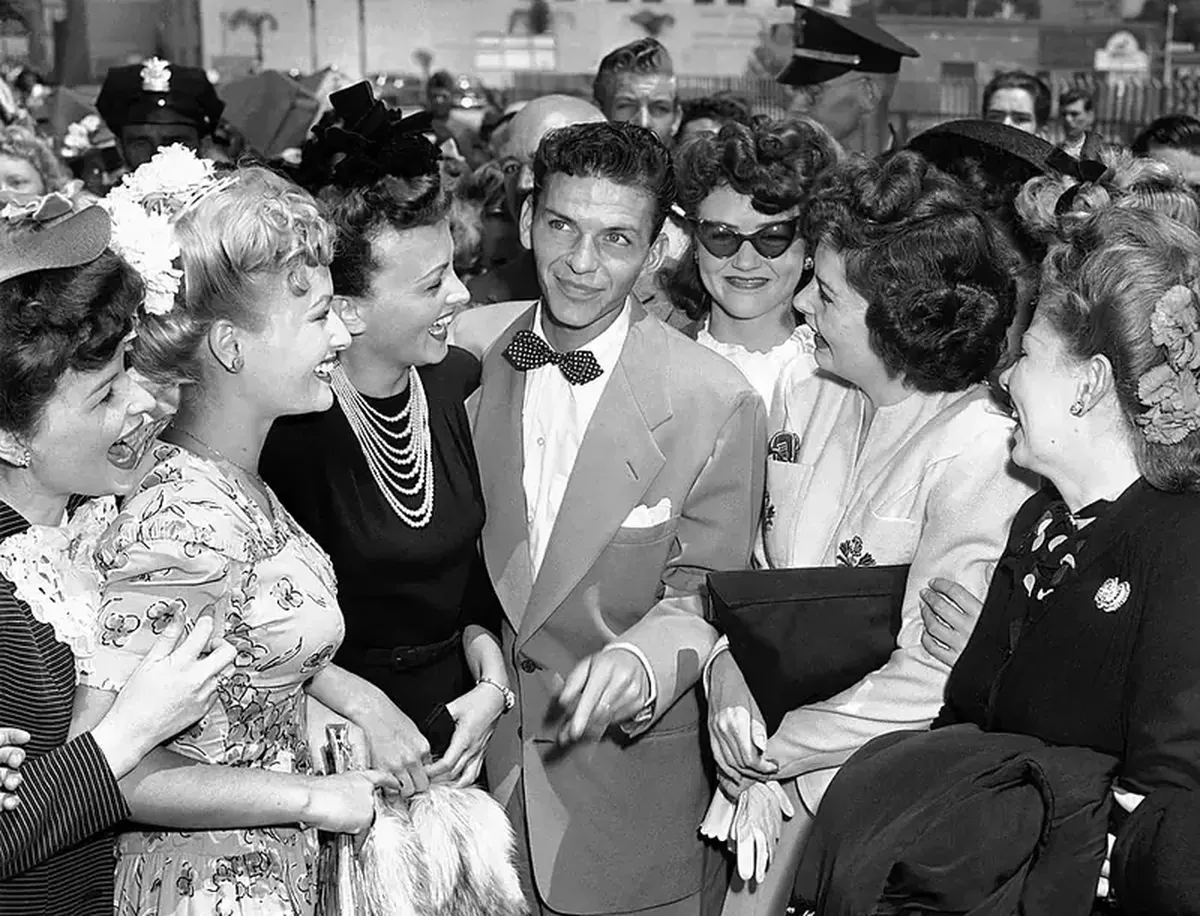
Instead of a lifetime contract, Sinatra kept a lifelong accompanist in Bill Miller, a pianist and arranger who worked with him for more than forty years. The duo met again after a Las Vegas introduction and stayed together until the end of Sinatra’s career; Miller even played at Sinatra’s funeral. Another key figure was agent George Evans, who saw Sinatra at a Christmas concert at the Paramount Theater in New York in 1942. Evans turned the young performer into a true star in a matter of weeks. A smart promotional campaign, steady radio exposure, and packed performances made Sinatra a phenomenon among American girls, who bought tickets and magazines in droves.
The Life of a Millionaire
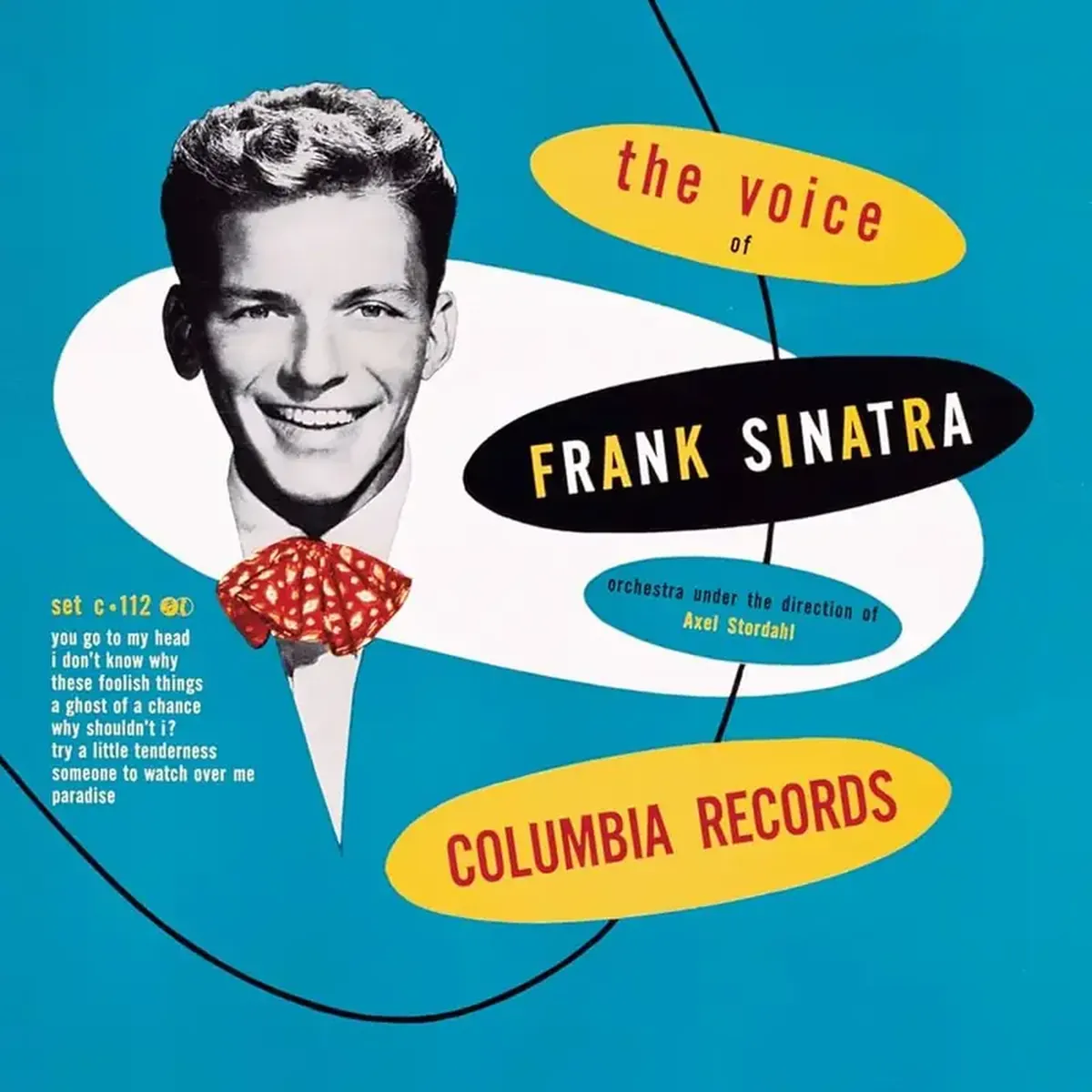
The success of his first solo album, The Voice of Frank Sinatra, for Columbia Records in 1946 helped cement his wealth. That year, ten million copies of the musical novelty — eight songs released on four 10-inch records — and other Sinatra recordings sold well. He was also part of the transition to the new long-playing record format: his voice appeared on early LPs spinning at 33⅓ RPM. Sinatra bought land in Palm Springs and built a house shaped like a grand piano, complete with a swimming pool and a Steinway concert grand at its center. His Los Angeles-area home became a magnet for guests and, eventually, a target for enemies — forcing him to surround the property with an impenetrable stone fence.
A Man from the Past
A tumultuous romance with actress Ava Gardner coincided with a creative crisis in the late 1940s. Sinatra began drinking heavily and, over roughly three years (1949–1952), nearly destroyed the career he had built. He lost his voice to a severe cold in 1951, studio management declined to renew his contract, he was dropped from radio, and planned New York concerts were canceled. A scandalous affair made headlines, and his wife Nancy Barbato filed for divorce. The McCarthy era’s political tensions and aggressive censorship added to the pressure; Sinatra’s support for Jews and African Americans put him on lists of the “unreliable.” At 34 he suddenly looked like a has-been, and the troubles pushed him close to suicide.
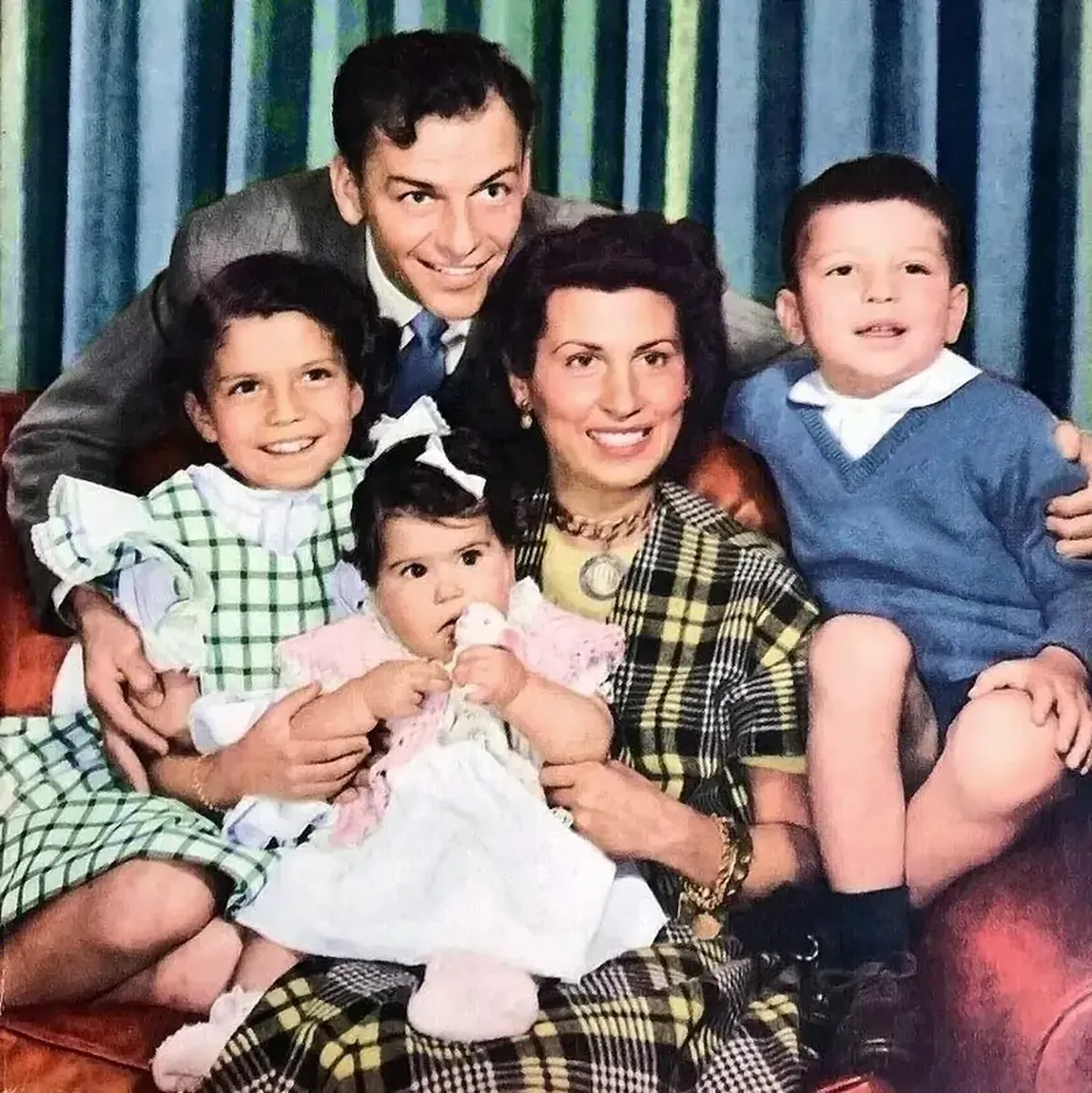
Frank Sinatra, his first wife Nancy Barbato, and their children Nancy, Tina, and Frank Jr., 1949
Sinatra and Gardner
His relationship with Ava Gardner kept him afloat — but it was volatile. They married in 1951 and divorced six years later. Sinatra had four wives over his life; Gardner, after suffering two strokes, later paid medical expenses and settled debts. She remained a fixture in celebrity pages and struck up a friendship with Ernest Hemingway after her split from Sinatra. It was Gardner’s persistence that helped Sinatra land the Oscar-winning role in 1953; she persuaded studio executives to cast him, and he seized the opportunity. His acting work helped revive his career when his singing was in crisis.
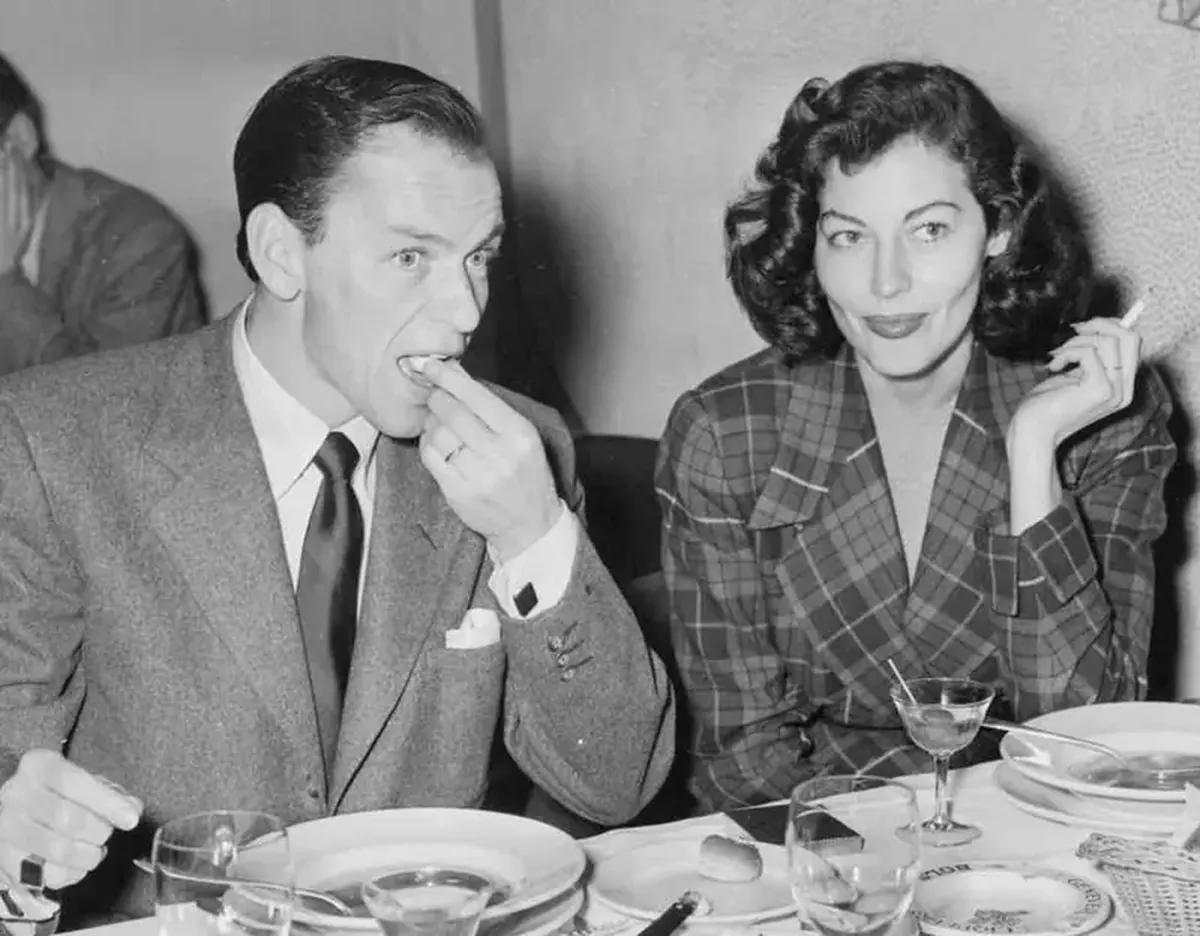
Frank Sinatra and Ava Gardner, 1951
Films with Frank Sinatra
Sinatra’s first big-screen success and handsome paycheck came from Anchors Aweigh (1945), a musical comedy in which he played a charming sailor. The actresses who co-starred with him in that film later appeared with him in other musicals; for a time Hollywood favored Sinatra for musical roles. Over his life he appeared in more than 60 films, including On the Town, The Man with the Golden Arm, Pride and Passion, The Tender Trap, The Manchurian Candidate, and Ocean’s Eleven. The peak of his acting recognition was the Academy Award in 1954 for Best Supporting Actor in From Here to Eternity.
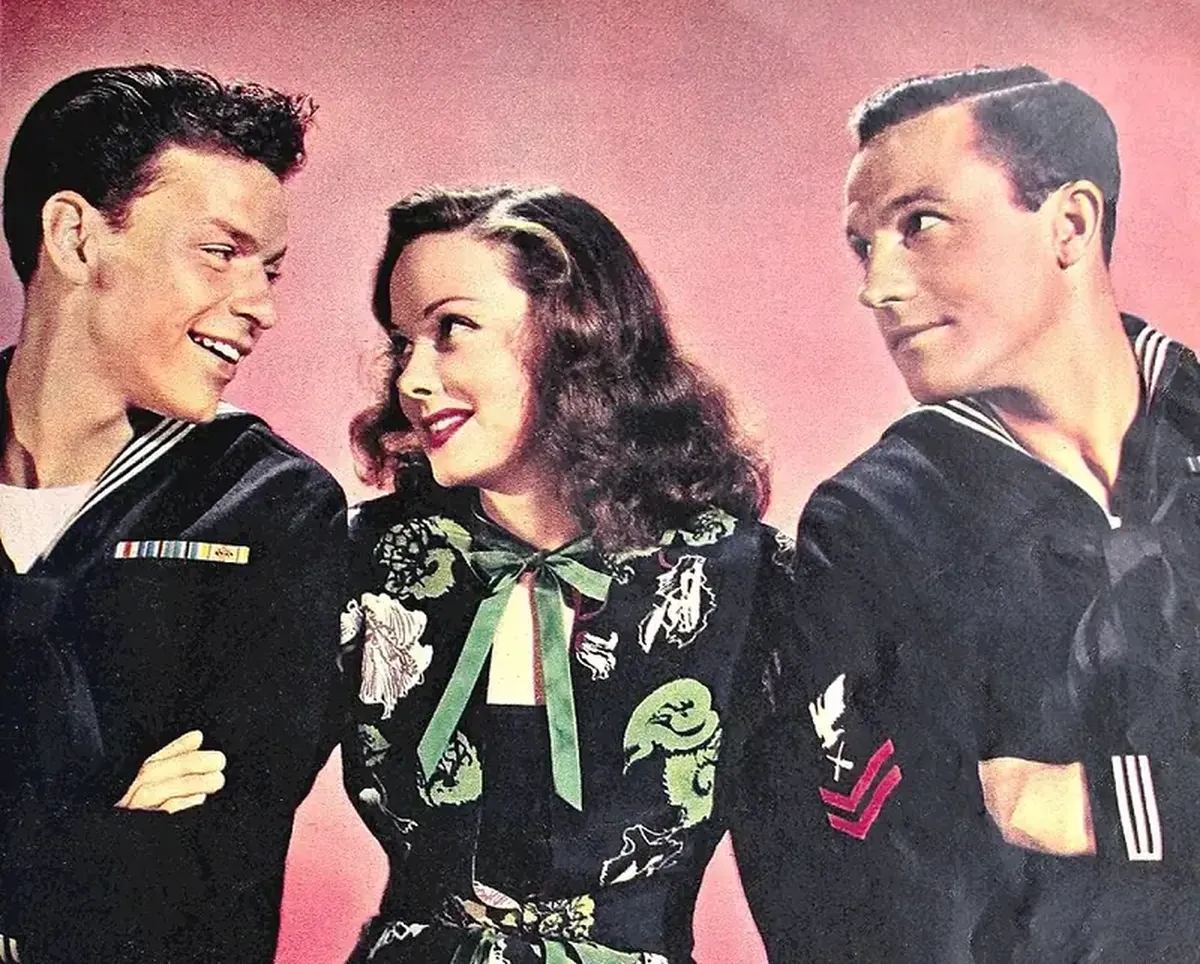
Frank Sinatra, Kathryn Grayson, and Gene Kelly in the musical comedy Anchors Aweigh, 1945
Everything Starts Again
Along with film, Sinatra hosted his own television show, performing songs and trading wry banter with guest stars. By 1952 his Las Vegas concerts were selling out and he became closely associated with the casino business. Rumors said his name sometimes served as a front for mob ownership, but the immediate effect was his return to film, stage, and television. Later albums landed on Rolling Stone’s “500 Greatest Albums of All Time.” In 1960 Sinatra founded Reprise Records, his label, where he recorded until 1988. He dueted with his daughter Nancy on Somethin’ Stupid (1967), released the programmatic song and album My Way in 1969, and recorded New York, New York in 1980.
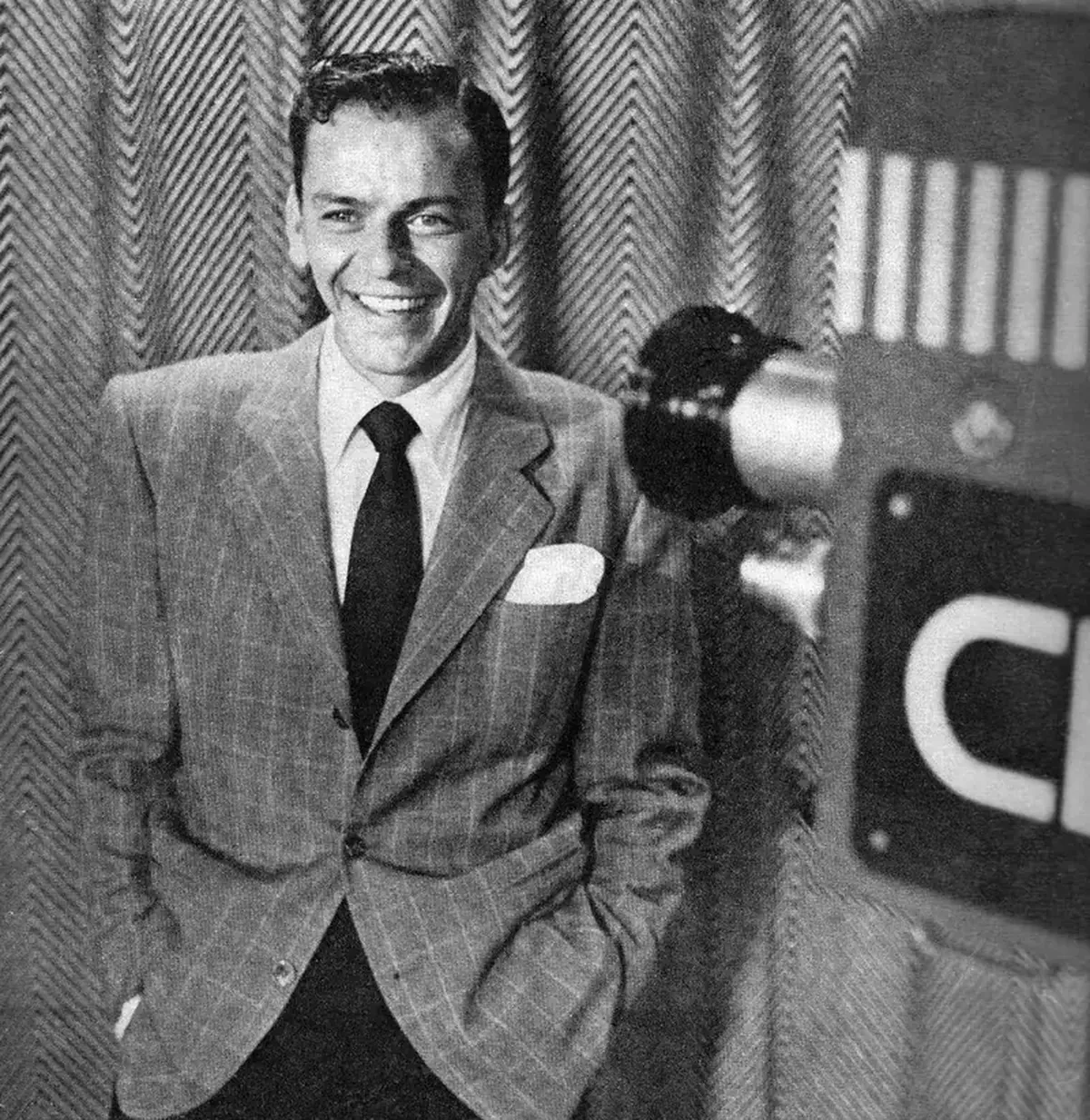
Frank Sinatra filming his own television show
At the Highest Level
Sinatra worked on John F. Kennedy’s 1960 presidential campaign, publicly calling Kennedy “the future president of the United States.” They appeared together on stage in Las Vegas. As intelligence services increased surveillance of Sinatra because of his connections to power and to organized crime, he began to distance himself from direct political involvement. Still, politicians of both parties courted his fame. In the 1950s and 1960s he was invited to events by heads of state and monarchs; his smile was a familiar presence at the White House and the Vatican under multiple administrations. A Democrat by affiliation, Sinatra was nonetheless welcomed by leaders across the political spectrum.
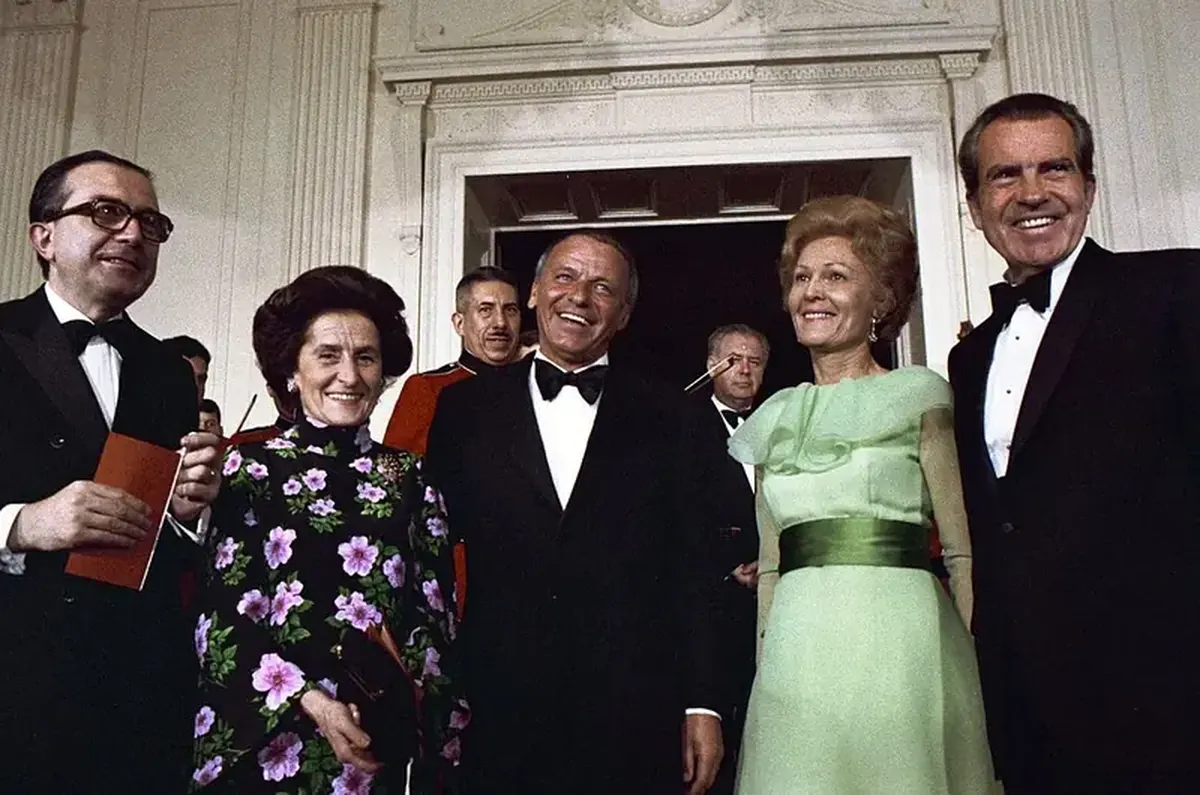
Frank Sinatra and President Nixon at a White House reception for Italian Prime Minister Giulio Andreotti, 1973
In the Grip of Demons
From his first marriage, Sinatra had three children — two daughters and a son — who later inherited his estate, managed his affairs, and cared for him in old age. After divorcing their mother, Sinatra married three more times: to Ava Gardner, Mia Farrow, and Barbara Marx, who remained his wife until his death. One of his ex-wives, Mia Farrow, later called him a “possible father” of her son, years after Sinatra’s death. Family members and friends wrote about his “demons”: mood swings and episodes of depression that sometimes required medical treatment. Sinatra described himself as an “18-carat manic-depressive personality.” He often felt the urge to “disappear but not get lost.” “There was as much sorrow in my life as there was joy,” he said. “But I regret nothing because I walked my path the way I wanted.”
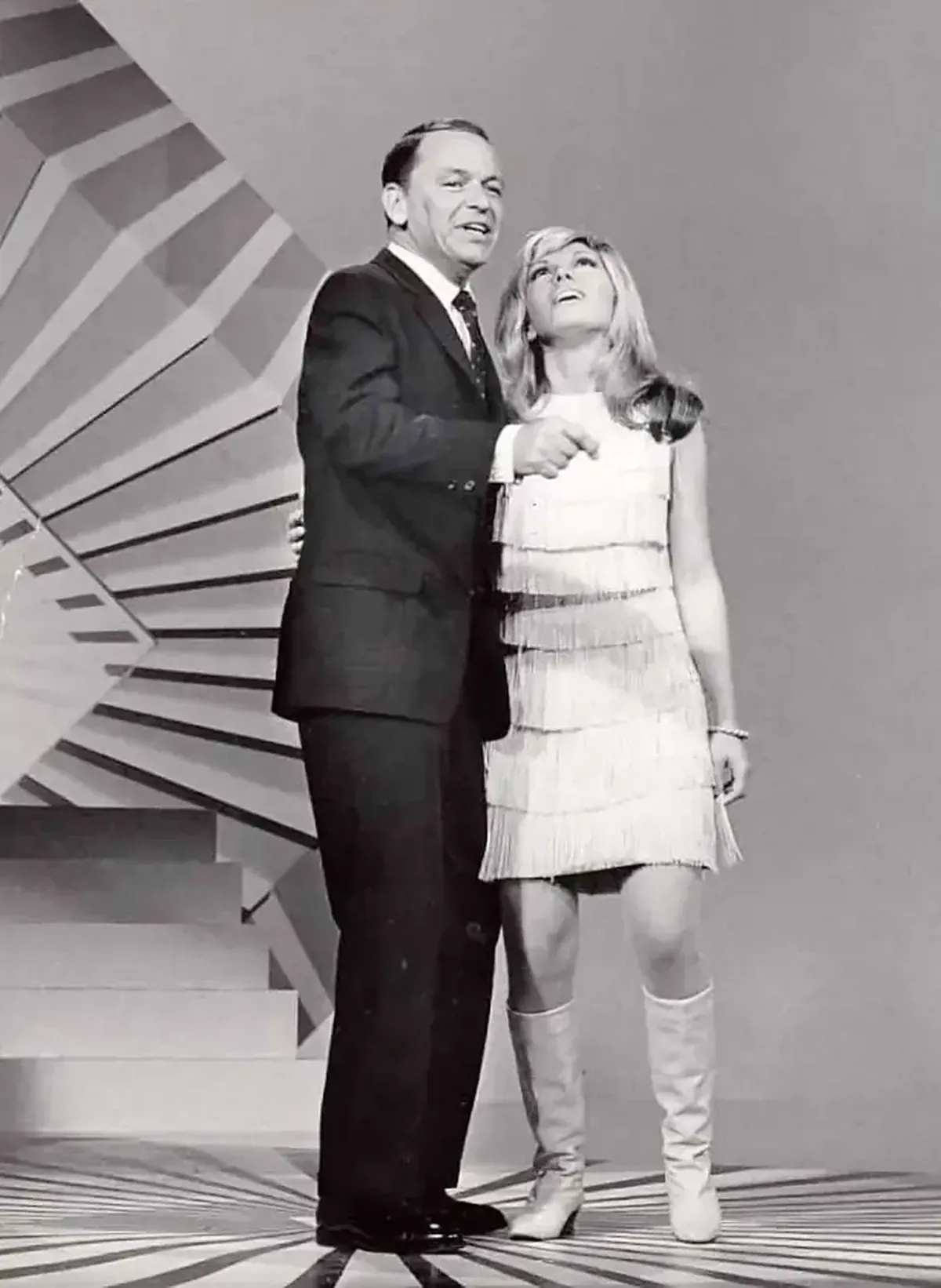
Frank Sinatra and daughter Nancy performing Somethin’ Stupid, 1966
“I’m Losing”
Sinatra announced a retirement in 1971 but continued performing until 1994. His last concert was at age 79; he died at 82 of a heart attack on May 14, 1998. In later years he spent long stretches in hospitals with cancer, high blood pressure, dementia, pneumonia, and respiratory failure — he had smoked on stage for years, reportedly consuming two to three packs of cigarettes a day. After a heart attack in 1997, “The Elder Statesman” largely withdrew from public life. At a Los Angeles medical center his last words to his wife were reportedly, “I’m losing.” The announcement of his death was marked by dimmed lights on the Empire State Building and the Las Vegas Strip. He was buried next to his parents, and, according to reports, was buried with a pack of cigarettes, a lighter, a bottle of whiskey, and a handful of coins to “call his friends.”
