
 Gaby
Gaby
Some vegetables and fruits need to be stored in the cold, while others do better in warmth. Beyond temperature, the shelf life of fresh produce also depends on lighting, ventilation, and humidity. It’s important to follow basic “good neighbor” rules: keep incompatible items apart and use the right packaging.
Storage Rules for Vegetables and Fruits
It’s crucial to respect compatibility when storing produce. Fruits and vegetables are poor neighbors and should be kept separate because fruits emit ethylene, a gas that speeds ripening and can cause nearby vegetables to spoil.
Some vegetables also don’t get along with one another. Tomatoes, eggplants, and potatoes should be stored separately, since they can negatively affect the taste of nearby produce.
When using bags or containers for fruits, avoid overpacking. Packing too tightly restricts airflow and can lead to rot. The best options are perforated packaging, paper bags, or containers that allow air circulation.
Don’t wash fruits before putting them in the refrigerator: moisture speeds spoilage. In the fridge, store vegetables and fruits without sealed plastic bags when possible, and make sure they are dry before placing them inside. Excess moisture shortens shelf life, while dry conditions help them last longer.
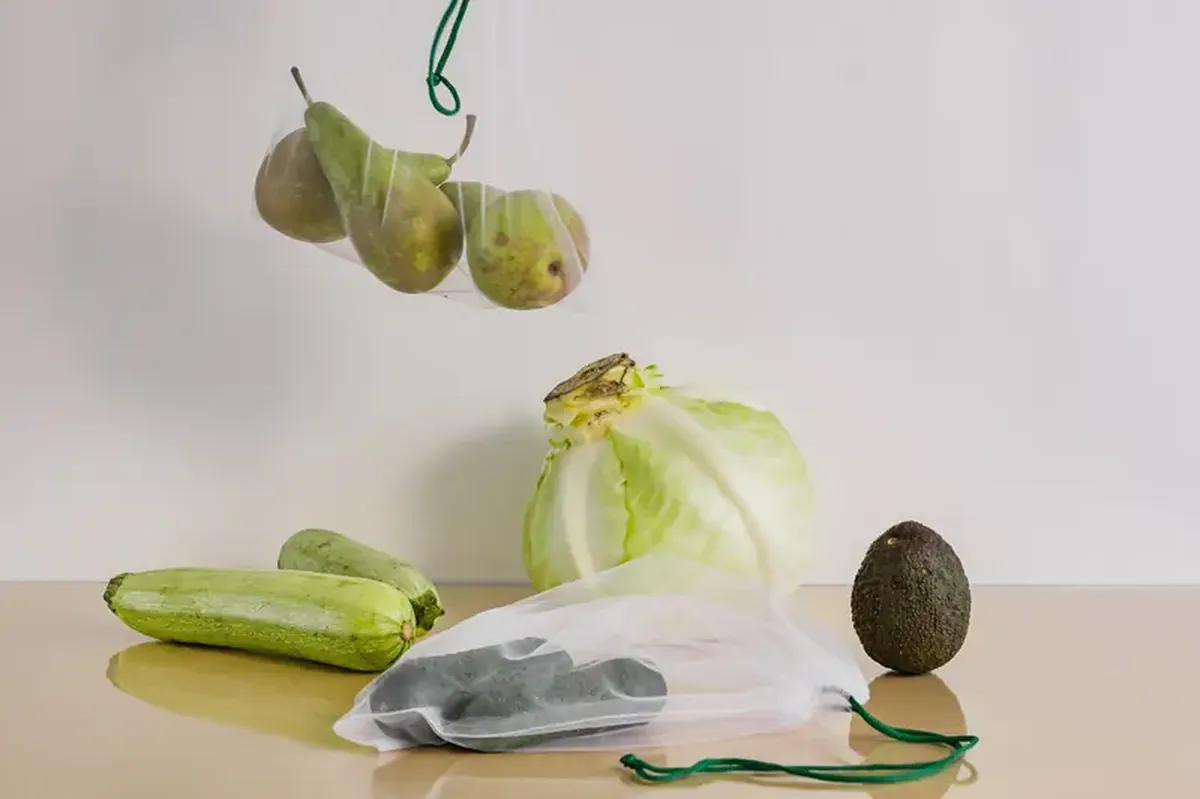
Storage Conditions for Vegetables
The “borscht set” is a harmonious combination in a pot, but not for storage. Where and how should we keep the most popular vegetables for preservation?
Cabbage
Green and red cabbage can be stored in the refrigerator for up to two weeks. Check your appliance labels: many refrigerators include drawers designed for vegetables at about 8–10 °C. Lower temperatures can damage the produce’s structure, causing it to lose natural flavor and aroma.
Carrots
Carrots should be stored separately from other vegetables in the refrigerator, where they will keep for about two weeks. In a cellar, carrots last longer if stored properly. Use wooden or cardboard boxes and layer carrots with onion peels or sand.
Beets
Beets prefer cool conditions. In the refrigerator they can stay in good condition for about three weeks. They also store well near balcony doors in wooden crates, open bags, or nets.

Potatoes
Potatoes occupy a special place in storage: never put them in the refrigerator, because low temperatures convert their starch to sugar. Store potatoes separately from other vegetables in a dry, dark place at about 5–7 °C. In a wooden box on a closed balcony they can last until spring—sometimes up to six months. Be cautious of frost: if the temperature on the balcony drops below freezing, wrap the container. To help prevent sprouting, place an apple in the bag with the potatoes.
Tomatoes
Tomato shelf life varies by variety, typically 5–12 days in the refrigerator. Firm, unripe tomatoes can last up to two weeks if stored on their own, with no other fruits or vegetables in the same container.
Onions
Onions store well in a kitchen cabinet, in pantyhose, or in a mesh bag. Whole onions can last up to two months in the refrigerator; cut onions should be used within four days.
Garlic
Garlic does not belong in the refrigerator, where it quickly loses its flavor and aroma. The best places for garlic are a dry cellar, pantry, or kitchen cabinet at room temperature. Garlic can be stored for about two months in a salt-soaked cloth bag, since the salt helps absorb moisture and prevent rot and mold. Dissolve sea salt in water. Soak a sturdy cloth bag in the saturated solution and dry it thoroughly before use. Place the garlic inside the bag, then hang the bag without tying it closed.
Storage Rules for Fruits
Fruits and berries also require different storage approaches.
Apples
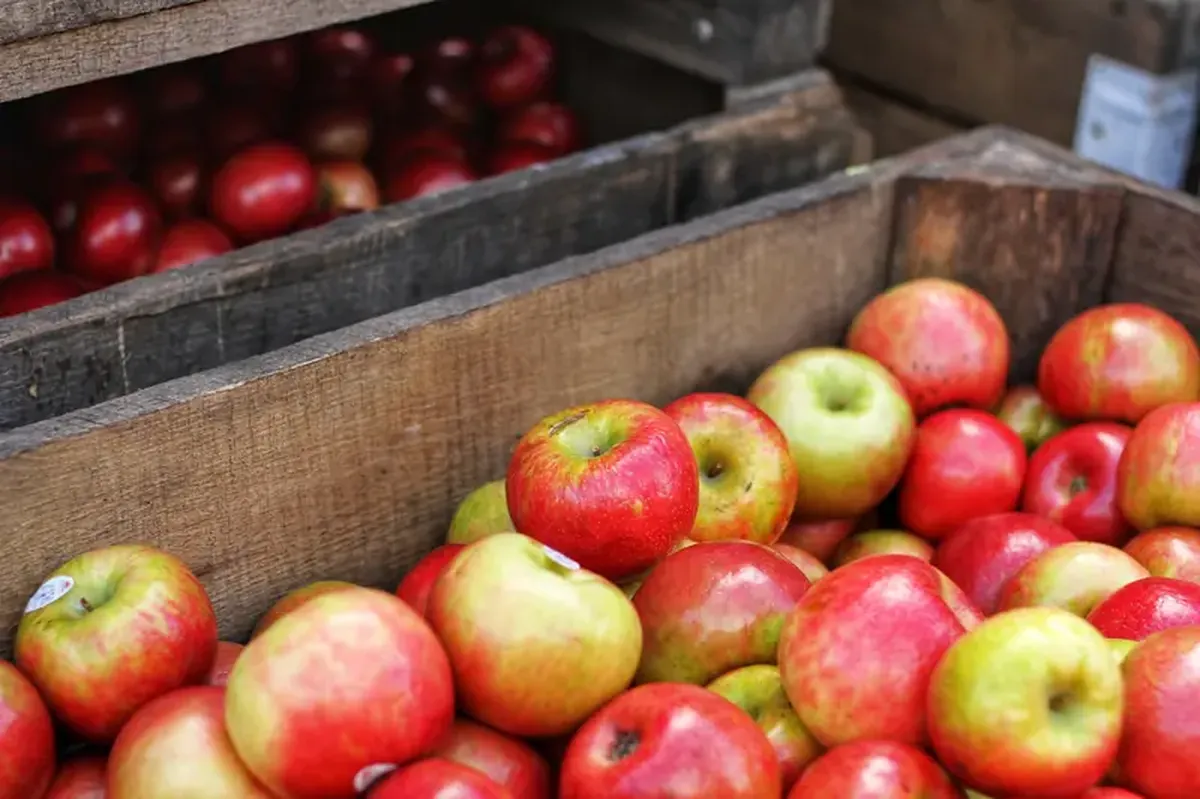
Apples come in early, mid-season, and winter varieties based on ripening time. Summer apples spoil quickly and are not suitable for long storage—they last up to ten days. Autumn apples harvested from late August to early September can be stored at room temperature for up to four months. Winter varieties store the best and can last seven to eight months if kept in woven baskets or wooden containers lined with thick paper and a layer of shavings. Wrap each apple in thin wax paper and stack them in two to three layers. Very small apples are not suitable for long-term storage. For medium-sized apples, aim for 0 °C; larger apples do best at 2–5 °C.
Lemons
Undamaged lemons should be wrapped in packing paper and can be stored this way for up to six months. Lemons prefer a dry, cool place—about 6–7 °C is ideal.
Mandarins
Mandarins store well in the refrigerator without packaging for the longest shelf life. If you don’t need long-term storage, keep mandarins at room temperature in a bag or pouch.
Oranges
Oranges can last several weeks in the refrigerator while retaining vitamins and flavor. Wrapped in paper, they can keep up to four months at about 5 °C. Lower temperatures are harmful, and overly dry air makes them lose firmness.

Grapes
Autumn grapes should be stored at 0–2 °C. Place them in a single layer in a wooden box lined with paper.
Plums
Plums last up to three days at room temperature, but cold and humidity can extend that to about a week. In the refrigerator at 0 °C, plums can stay fresh for over ten days.
Apricots
Fresh apricots keep for up to five days at room temperature and up to three weeks in the refrigerator (at 0 °C).
Peaches
Ripe peaches spoil quickly. Without refrigeration they last no more than a week. At 0 °C, their shelf life can extend to about a month.
Bananas
Bananas emit ethylene, which speeds ripening, so store them away from other fruits. They keep their quality for up to five days at room temperature and up to a week in the refrigerator.
Avocados
A firm avocado can be kept for up to a week at room temperature; a soft avocado will last only two to three days in the refrigerator.
Berries
Fresh berries can be stored in the refrigerator for up to three days. For long-term storage, freeze them: wash and dry the fruit first, then freeze on a tray so the berries remain separate and don’t clump together.
Proper storage of vegetables and fruits is key to preserving their taste and nutritional value. Follow these simple rules to avoid missing out on vitamins during the off-season.
