
 Gaby
GabyThere’s no single answer — lunar missions have shown that travel time to the Moon can vary widely.
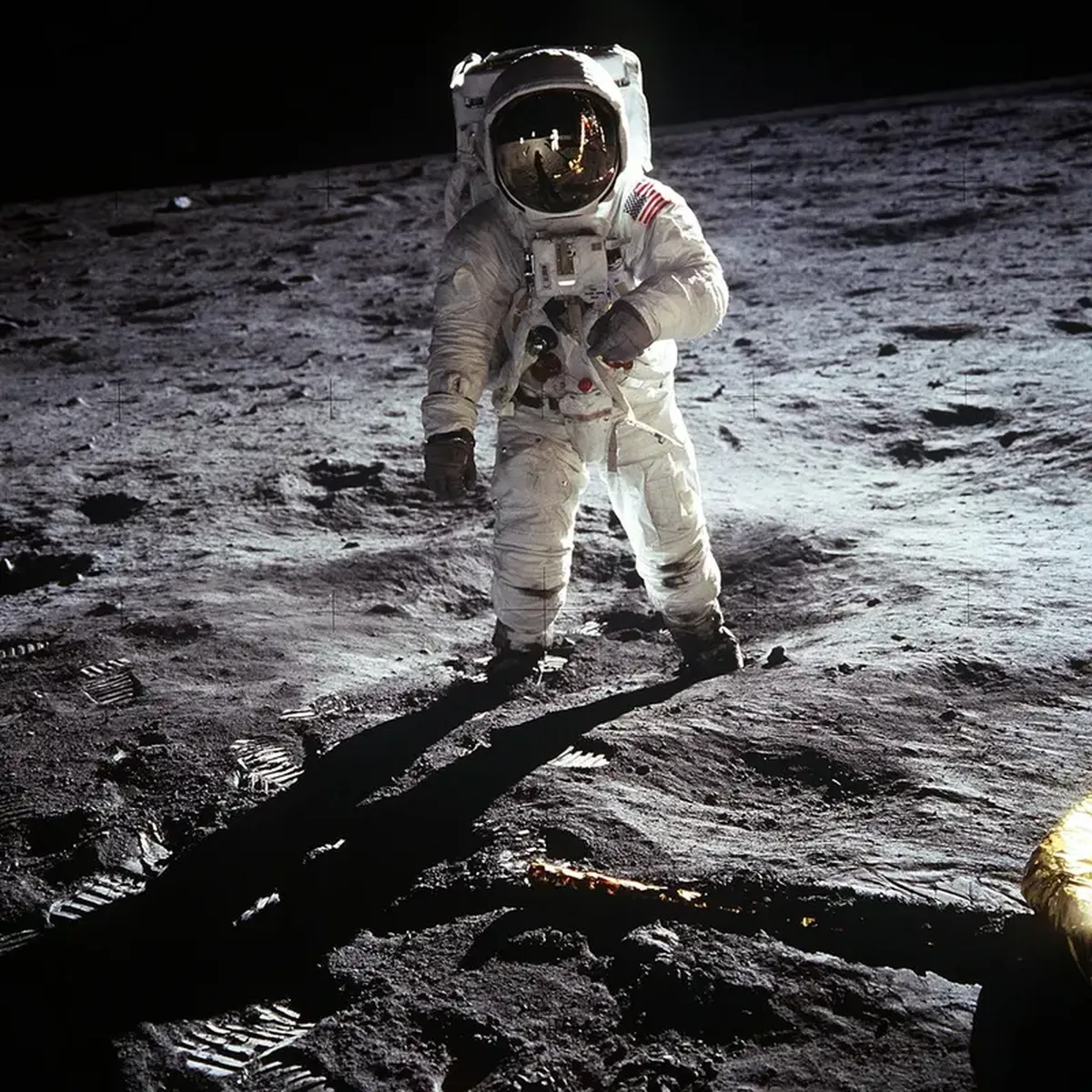
In 1969 the Apollo 11 astronauts were the first in history to land on the Moon. The journey from launch to Neil Armstrong’s first step on the lunar surface took 109 hours and 42 minutes.
The duration of the flight depends on many factors, including whether the mission is manned.
In 1959, the Soviet unmanned spacecraft “Luna-1” covered the distance to the Moon in 34 hours. However, the spacecraft veered off course and flew past the Moon at a distance of 5,995 km. It is still drifting through space.
Meanwhile, the fastest craft to reach the Moon — or at least to fly past it — was New Horizons, which NASA launched in 2006 to study Pluto. The unmanned probe reached Earth’s natural satellite in 8 hours and 35 minutes.
But having astronauts on board isn’t the main factor. Travel times are largely determined by fuel and propulsion choices. Carrying more fuel makes a spacecraft heavier and the mission more expensive, Live Science reported.
What else affects the flight time to the Moon?
Travel time also depends on other factors. According to Mark Blenton, a NASA analyst, one of the most important factors is the mission’s goal.
“You have to assess the type of rockets and their payload capabilities. The rockets’ capabilities and the mission objectives determine the spacecraft’s size. Analyzing those constraints allows development of an optimal trajectory,” the expert said.
What was the longest flight to the Moon?
The record for the longest journey to the Moon was set in 2022 by NASA’s CAPSTONE probe. The 25-kilogram spacecraft took 4.5 months to reach its destination.
After launch from Earth, it made several orbits around our planet before finally entering lunar orbit.
During that time, the probe carried out an important task: it collected data on the orbit that will be used for the first lunar outpost, Gateway.
