
 Carlos Solis
Three recent studies found links between weight-loss drugs—especially GLP-1 medications—and lower cancer risks in several settings. One retrospective analysis showed women who took GLP-1 drugs had a 30% lower chance of developing breast cancer than women who didn’t take them. A separate study of breast cancer patients reported that adding weight-loss drugs to standard therapy was associated with a 30% lower risk of death. And a third analysis covering breast, lung, colorectal, and liver cancers found that patients on these drugs had a 38–50% lower risk of progressing to stage IV disease.
What are GLP-1 drugs?
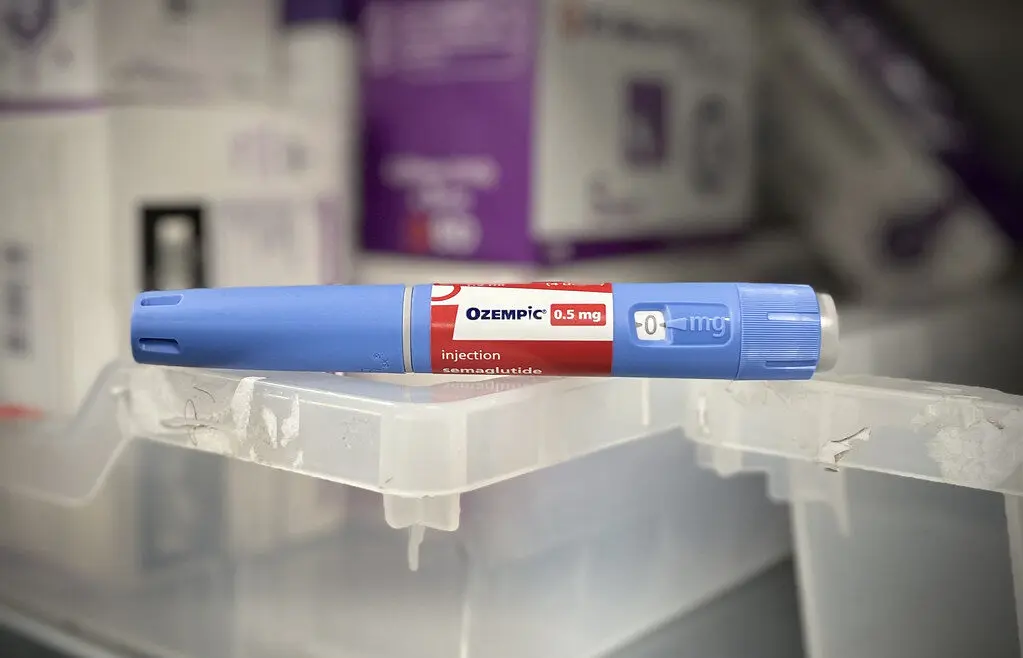
GLP-1 drugs mimic the body’s glucagon-like peptide-1 hormone, which helps control blood sugar and curb appetite. Doctors originally prescribed these medications for type 2 diabetes, and many are now used to help patients lose weight and keep it off—most are given by injection.
Details of the studies
- Retrospective analysis of 110,000 women (ages 45–80). The team found that GLP-1 use was associated with a 30% lower incidence of breast cancer compared with nonusers. Elizabeth McDonald, a professor of radiology at the University of Pennsylvania and a radiologist at Abramson Cancer Center, presented the results. She cautioned that the study was observational and did not prove causation, but said the findings support further research into these drugs as possible cancer-prevention tools.
- Study of 27,000 breast cancer patients. Researchers at IRCCS Istituto Romagnolo per lo Studio dei Tumori Dino Amadori in Meldola, Italy, reported that adding weight-loss drugs to standard oncology treatment was associated with a 30% lower risk of death.
- Analysis of 12,000 patients (breast, lung, colorectal, liver cancers). Cleveland Clinic investigators found that patients who took weight-loss medications had a 38–50% lower risk of disease progression to stage IV compared with patients who did not take these drugs.
How it might work
Several mechanisms could explain a protective effect. First, GLP-1 drugs are highly effective at producing and maintaining healthy weight loss—and excess weight or obesity, especially after menopause, increases breast cancer risk. Second, researchers suggest that the chronic, low-grade inflammation often seen with obesity can promote tumor development; GLP-1 therapies reduce inflammation through multiple pathways and have metabolic and epigenetic effects that might slow tumor growth.
As Elizabeth McDonald put it, “Our study is observational and does not prove causation, but it strengthens the case for more research into these drugs as possible cancer-prevention strategies.” She believes multiple mechanisms likely work together to hinder breast cancer development.
What this means for patients
Although the results are encouraging, they do not justify prescribing GLP-1 drugs widely for cancer prevention or treatment right now. Much of the evidence comes from observational studies; randomized controlled trials are necessary to prove safety and effectiveness in oncology. Meanwhile, these medications remain an important option for treating type 2 diabetes and obesity, and researchers continue to study their possible impact on cancer risk.
Based on reporting from The Guardian
