
 Gaby
Gaby
Dr. Punam Desai warns against using scratched or cracked nonstick or ceramic cookware. She says damaged cookware can release microplastics that may harm your health. Her video about the risks of scratched nonstick pans has nearly half a million views on TikTok. In the clip, the health expert, who has 22,500 followers, explains how damaged kitchenware can transfer millions of microplastic particles into the food we eat.
Invisible but Highly Destructive Microplastics
Ms. Desai says microplastics act as endocrine disruptors. They can cause hormonal imbalances, fertility problems, and may increase the risk of certain cancers. The endocrine system controls the release of hormones throughout the body.
Microplastics come from many sources, including larger pieces of plastic that break down — for example, a damaged nonstick coating on a pan. Some microplastics contain per- and polyfluoroalkyl substances (PFAS), also called forever chemicals. These are heat-resistant, persistent compounds used in the manufacturing of many kitchen products. In recent years, PFAS have been linked to a range of health problems, including some cancers, autism, and infertility.
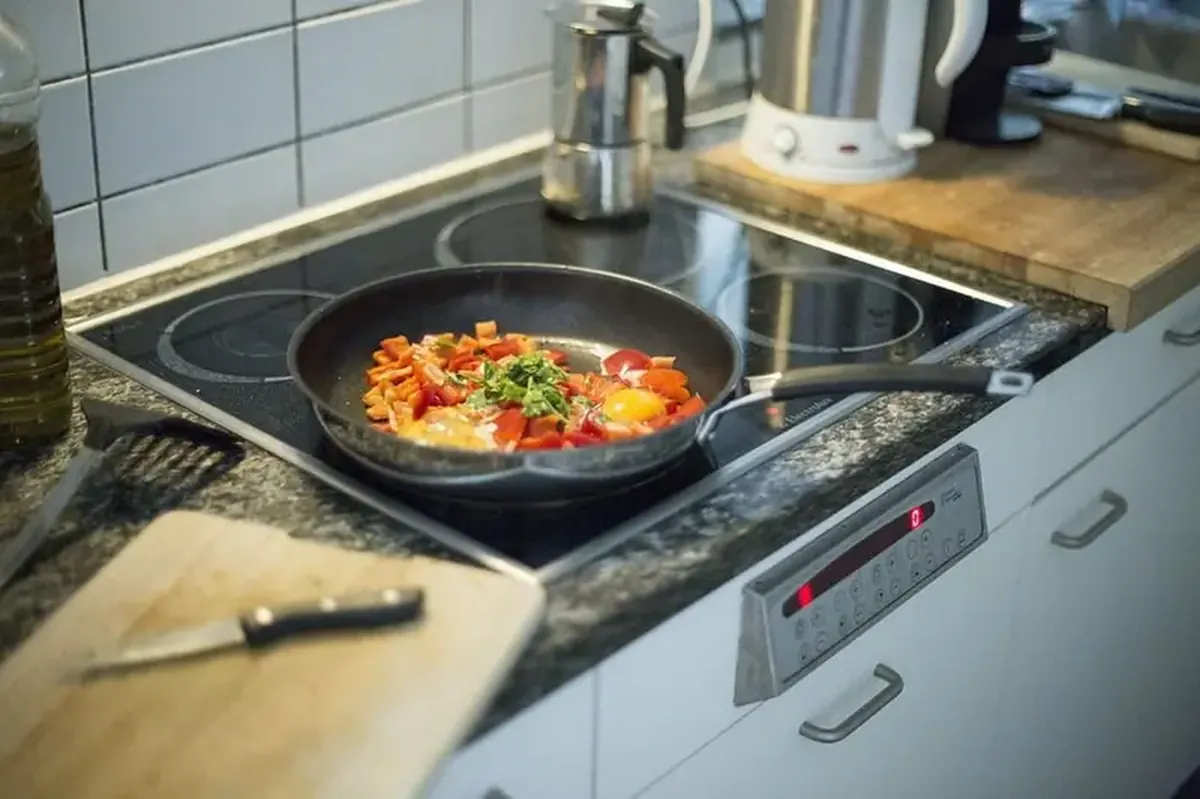
As reported by the Daily Mail, a study in Australia found that a single scratch on a pot’s surface could transfer millions of microplastic particles into food and potentially into people. Researchers used light-based measurements to detect the microscopic particles.
The study found that just one scratch on a 5 cm-thick Teflon pan — possibly caused by a spatula or spoon — could release up to 2.3 million microplastic particles. Overall, the researchers measured more than 9,000 plastic particles dispersed in the pot.
Damaged Pans — A Source of Harmful Substances
Ms. Desai says she avoids some ceramic pots because many of them have an aluminum base that can leach into food if damaged. Plain ceramic is generally considered a safer alternative to conventional nonstick because it doesn’t contain PFAS or metal layers. However, many so-called ceramic pans are actually aluminum with a ceramic-based nonstick coating.
When that coating is damaged, metal particles from the pan can end up in the food being prepared in it.
Once ingested, these chemicals can stay in the body for a long time because the body eliminates them very slowly through urine. They are called “forever chemicals” because they persist in people and in the environment.
The Food and Drug Administration has not set a specific upper limit for safe consumption of PFAS in food. Because of that uncertainty, researchers recommend choosing cookware carefully, especially for food preparation.
