
 Carlos Solis
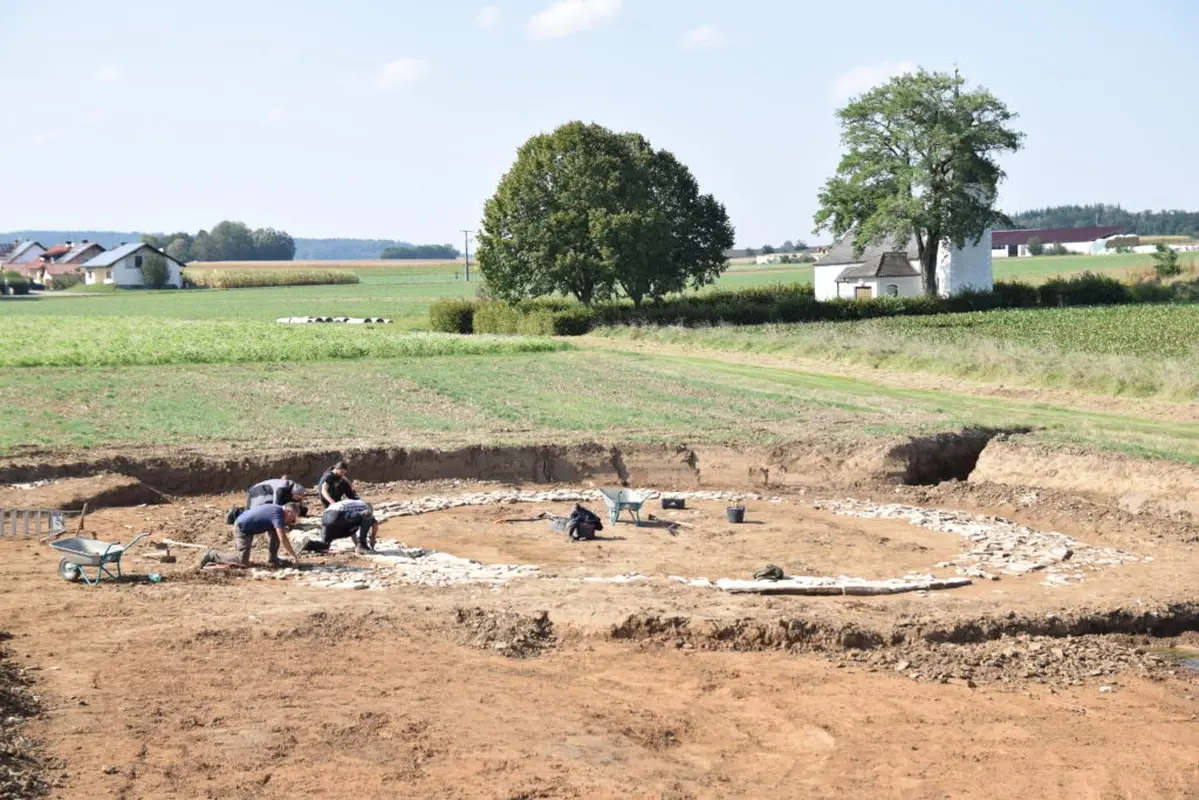 The discovery stunned those who came to inspect the site. Researchers believe it is the foundation of a burial — a family memorial. This finding sheds new light on the Roman presence in the former province of Raetia in southern Germany.
What theories have scientists proposed?
The Bavarian State Office for the Preservation of Monuments (BLfD) says the ruins discovered near the village of Volkertshofen in the Eichstätt district are likely the foundation of a Roman burial mound. This round stone structure, approximately 12 meters in diameter, is thought to have served as the base for a burial mound. The discovery is unusual because such elaborate Roman tombs are rarely found in Raetia.
The stone ring sits near an ancient Roman road. Attached to the southern side of the foundation is a square extension measuring two by two meters, which may have served as a pedestal for a stele or statue. Despite its monumental appearance, the interior of the structure was completely empty.
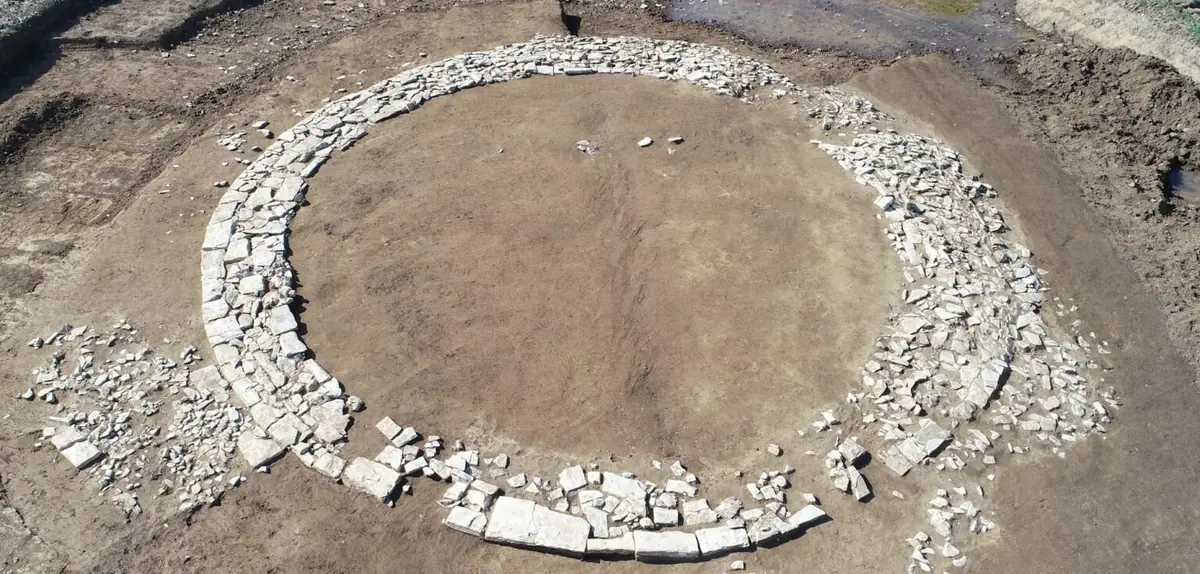
“The discovery of such a large ancient burial here was completely unexpected. The mound was located along an important Roman transport route. The family erected it as a distinctive memorial — a place of remembrance and a symbol of social status,” said Professor Matthias Pfeil of the BLfD.
Archaeologists did not find any human remains or burial artifacts inside. Scientists concluded that this was not a traditional burial, but rather a cenotaph — a symbolic grave erected in honor of someone buried elsewhere. Such monuments were typically established to commemorate notable individuals and to emphasize a family’s prestige and place in the social hierarchy.
In Roman times, burial mounds were a common form of interment across Central Europe and the Mediterranean. In the empire’s northwestern provinces, such as Raetia, mounds were periodically constructed beginning in the 1st century AD. Some Roman mounds were built on sites of earlier Bronze or Iron Age burials, Arkeonews reports.
Archaeologists believe the monument in Volkertshofen reflects a blend of Mediterranean architectural influence and Celtic burial customs. “While the stone foundations clearly align with Roman models, mounds in this region predominantly belong to the pre-Roman period. This makes the discovered mound an exceptional find, crucial for understanding cultural exchange in the province of Raetia,” the BLfD said.
According to scientists, the memorial found in Volkertshofen helps to better understand the burial practices of Roman settlers in ancient Raetia.
