
 Carlos Solis
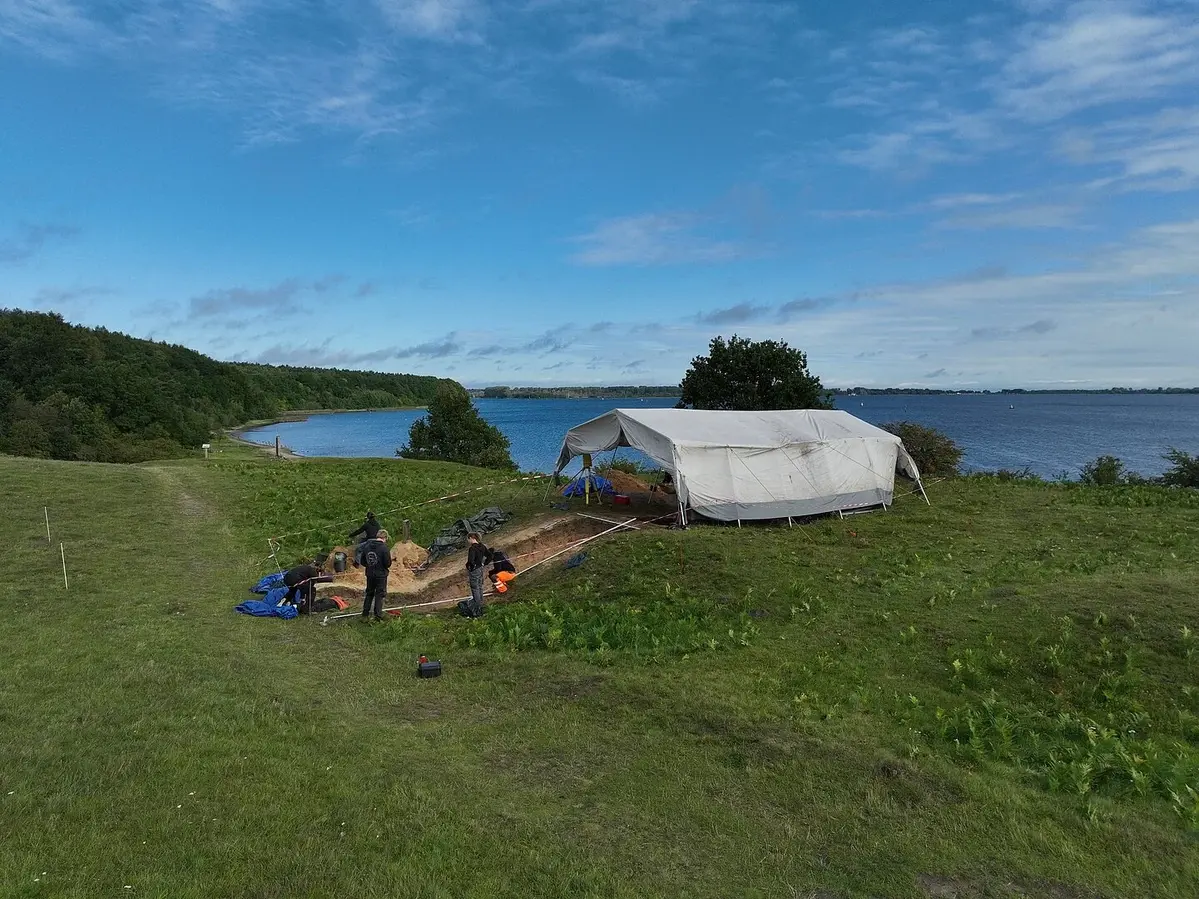 A team led by researchers from Kiel University has uncovered a fortified settlement dating to around 2,000 years ago near the port city of Lübeck in the German state of Schleswig-Holstein, close to the mouth of the Trave River. For centuries, this river has served as a vital artery connecting the interior of northern Germany to the Baltic Sea.
This site played a significant role during the late Iron Age (approximately 1–400 A.D.), when Rome’s economic and cultural influence extended far into northern Europe. Archaeological evidence indicates that during this period, the region was not only fortified but also part of an extensive network of trade routes.
Findings at the excavation site suggest that the settlement may have served simultaneously as a trade center and a military outpost. It likely helped secure transport and control goods moving between Baltic and inland markets.
According to Dr. Felix Resch, an underwater archaeologist and the head of the team, these discoveries “shed entirely new light on the history of settlements in the Lübeck area.”
Although Lübeck was not part of the Roman Empire (its border lay further south along the Rhine and Danube), Roman trade and cultural influences penetrated deep into Germany.
For many years, Roman pottery, glass, and coins have been found throughout the region. This evidence points to both active trade and the local elite’s desire to own prestigious Mediterranean goods.
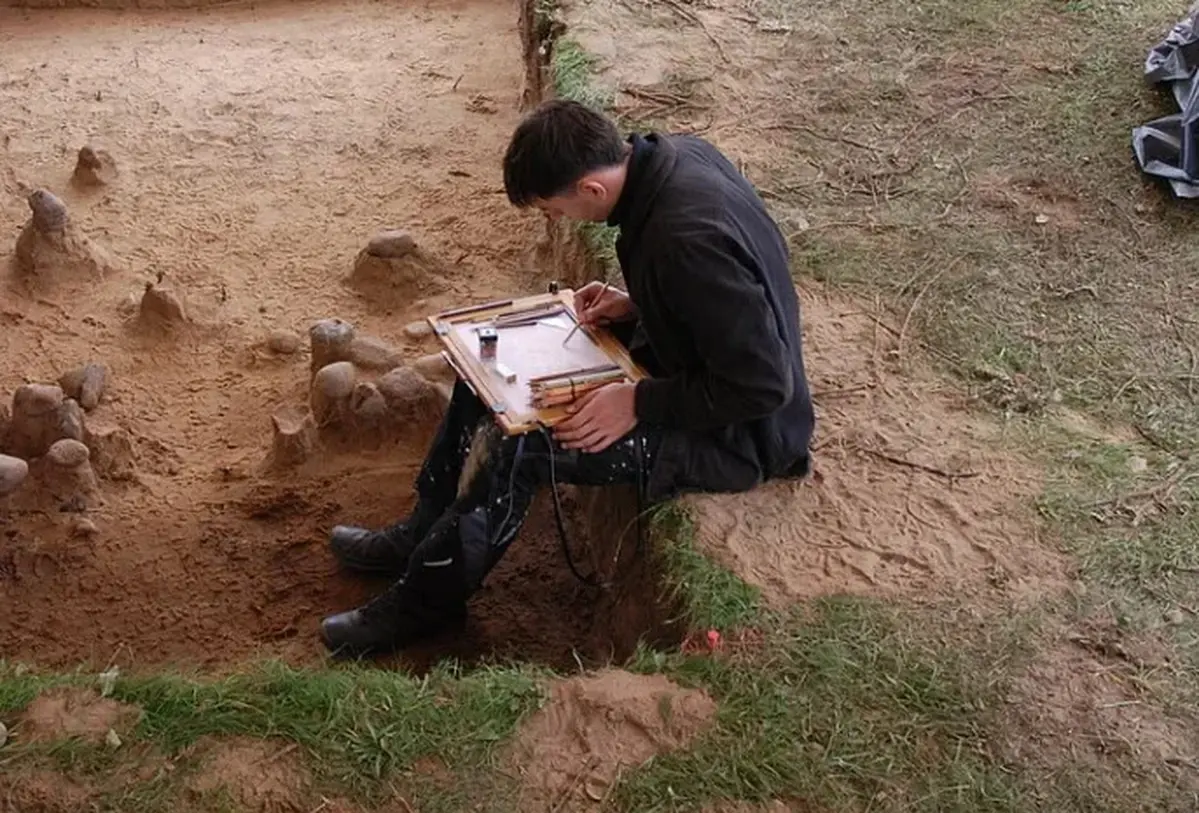
Ruins of a Forgotten Settlement
During the excavations, the team used several methods: drilling, surface surveying, and underwater archaeology. As a result, researchers discovered an entire field of wooden piles in the shallow waters of the Trave River, along with the ruins of fortification walls, as reported by Arkeonews.
The pottery found during the excavations primarily dates to the 1st through 4th centuries A.D., while the number of medieval artifacts was very limited. According to project leader Dr. Tilo Kühl, this indicates there was no medieval castle at the site, which archaeologists had hoped to uncover.
Those hopes may have come from earlier work in the region, where researchers discovered a medieval hoard of metal objects. In 2023, a sunken Hanseatic ship from the 17th century was found near the new excavation site. These and other discoveries highlight the Trave River’s long-standing significance as an important trade route.
