
 Carlos Solis
 Lack of sleep, fatigue, and chronic illnesses are the primary culprits behind dark circles and bags under the eyes. However, there are many other factors that contribute to these features.
Tanuj Nakra, a plastic surgeon at the Dell Medical School at the University of Texas in Austin, explains: “Dark circles under the eyes can reflect psychological issues or emotions, or physical conditions — even symptoms such as nausea or drowsiness — and in some cases they can signal serious diseases like cancer or liver disorders.”
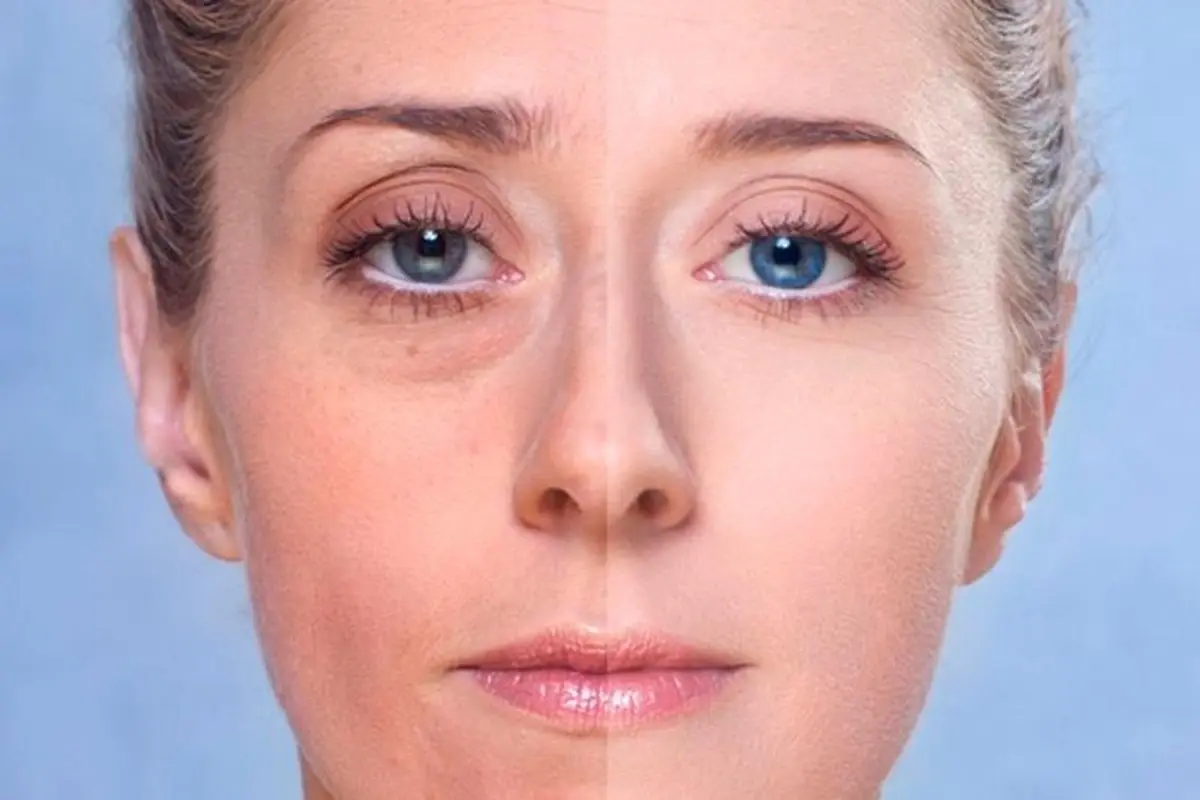
However, this isn’t always the case. Young, healthy people who get enough sleep can also have dark circles. To understand why, you have to look at the subcutaneous layer of the face and the underlying bone and muscle structure. At the lower edge of the eye socket lies a circular muscle that supports the skin under the eyes. According to Nakra, some people are born with a denser muscle that shows through the skin and creates the appearance of dark circles. Thin, pale skin around the eyes can produce the same effect, as reported by Popular Science.
The Consequences of Poor Sleep
Pale skin and the circular eye muscle that contribute to dark circles are often inherited from our parents. But those inherited traits are commonly and unfairly blamed on poor health or lack of sleep, Nakra notes.
When we eat a lot of salty foods or don’t get enough sleep, our faces tend to swell. Beneath the skin sits a network of blood vessels and capillaries that deliver oxygen to tissues. “These vessels are somewhat permeable, and fluid seeps into the tissues. That swelling creates bags and makes the skin under the eyes look darker,” the expert explains.
Fat loss is not the only factor that causes bags. Between the skin and the ligaments lies a layer of fat; chronic undernourishment can shrink that layer, making ligaments and dark circles more noticeable.
Natural aging can also thin the skin, reduce facial fat, and lessen elasticity. As a result, both dark circles and under-eye bags become more pronounced.

Dark circles can also come from hyperpigmentation, where patches of skin are darker than surrounding areas. Cells called melanocytes determine skin color by producing the pigment melanin.
“Hyperpigmentation under the eyes can happen because of inflammation, sun exposure, or irritation,” says Nakra. That means people with darker skin tones are more likely to develop dark circles driven by melanin.
Conditions such as chronic venous insufficiency, where damaged veins hinder blood return to the heart, can weaken circulation and allow hemosiderin (an iron-containing pigment) to seep into the skin under the eyes.
How to Combat This?
Nakra says that when under-eye bags or dark circles are symptoms of a disease, they should be treated as signals that warrant further medical evaluation.
Lifestyle changes often reduce swelling. Using eye creams that contain caffeine can also help: caffeine constricts blood vessels, reducing blood flow to the skin and helping to eliminate puffiness.
If dark circles stem from facial structure, they’re harder to fix. Conceal thin skin with makeup. Creams containing compounds that limit light passing through the thin skin around the eyes may also help lessen the purplish tint of the underlying muscle.
