
 Carlos Solis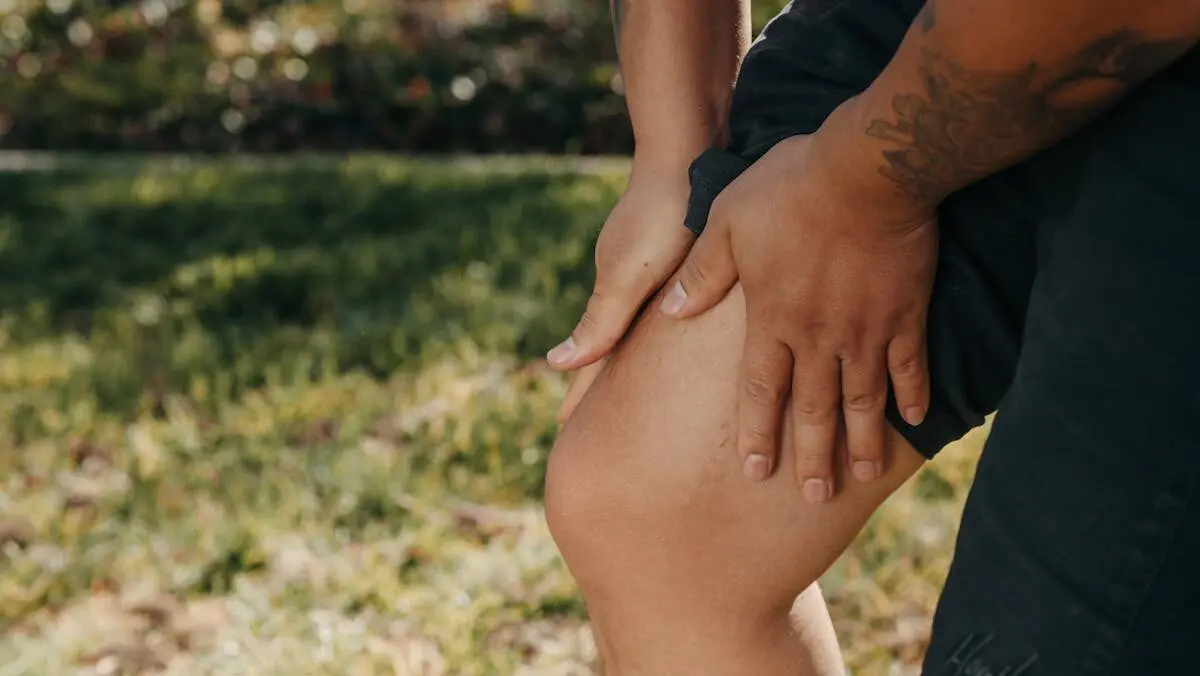
When spring arrives, people usually get more active: they walk outside more, work in the garden, and exercise. But the fun of being outdoors is often spoiled by joint pain.
Aches are usually normal, but sometimes persistent pain can mean something’s wrong, says Colt Pruitt, an orthopedic surgeon and sports-medicine specialist at the University of Kentucky. He says it’s important to tell the difference between normal pain and pain that needs medical care.
What counts as normal joint pain?
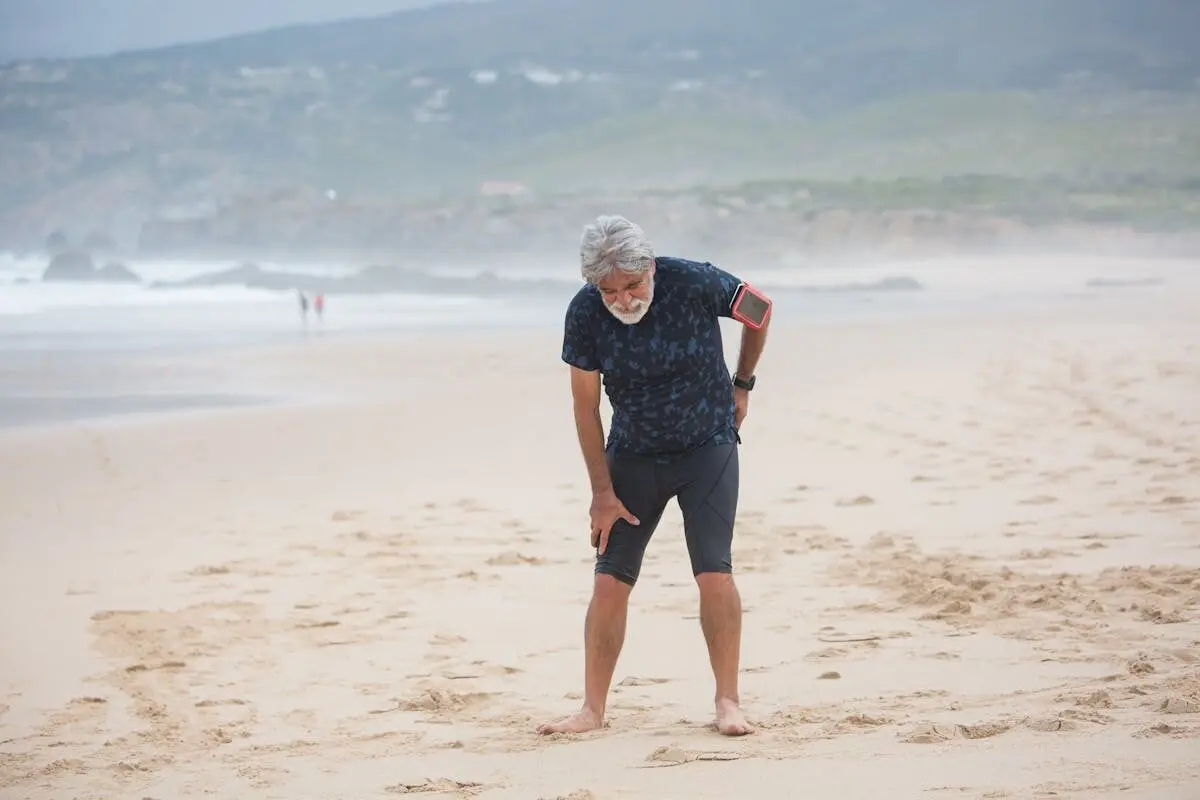
With increased activity, mild soreness, dull aches, and slight stiffness can be normal. These symptoms often show up in the body’s larger joints, like the knee and shoulder. Typical joint pain usually appears a day or two after the activity that caused it, Dr. Pruitt says.
This kind of pain generally doesn’t seriously interfere with daily life or stop you from doing normal activities. Over time the pain should gradually ease, Medical Xpress reports.
How to manage normal joint pain at home
Common, short-term joint pain can be eased at home using the following methods:
- Rest the affected joint.
- Apply ice to the affected joint for 10–15 minutes several times a day.
- Take over-the-counter pain relievers such as acetaminophen or anti-inflammatory drugs like ibuprofen (if you have no contraindications).
- Gently stretch the affected joint to improve its range of motion.
When to see a doctor for joint pain
But Dr. Pruitt says some joint pain does require medical attention.
Seek medical help if you have any of the following symptoms:
- Pain that doesn’t go away after a few weeks.
- Significant swelling.
- Redness, increased warmth, or reduced range of motion.
- Pain that starts right after an isolated injury and may be accompanied by crunching or popping.
- Severe pain after a fall or twisting injury.
The jump in activity when people shift from winter to warmer months often triggers flares of osteoarthritis, knee and elbow tendinitis, and ankle ligament sprains. The number of serious injuries also rises, like ligament and tendon tears and fractures from falls.
How to prevent joint injuries
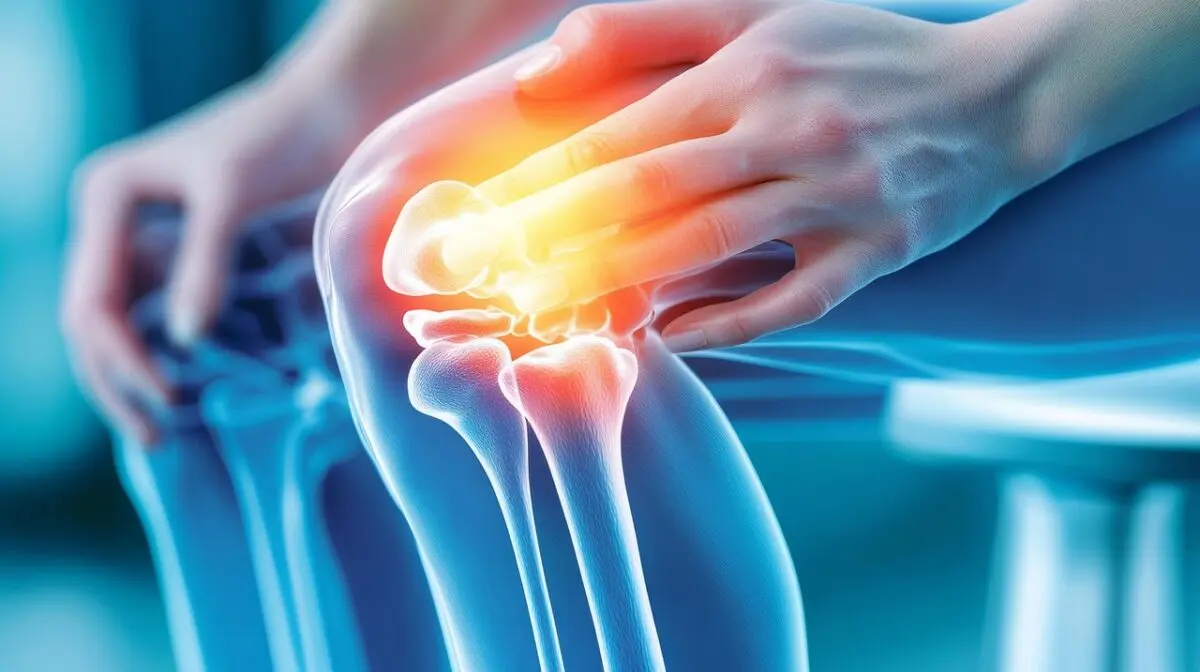
An active lifestyle is good for your health. You don’t need to give it up because of injury risk. The main thing is to remember simple, important injury-prevention steps, such as:
- Stretch before workouts.
- Apply ice to your joints after activity.
- Increase activity levels gradually.
- Eat a healthy diet.
Photo: pixabay.com
