
 Gaby
Gaby
This universal “healer” can banish colds and help your eyes, heart, skin, stomach, and liver.
The Benefits of Honey
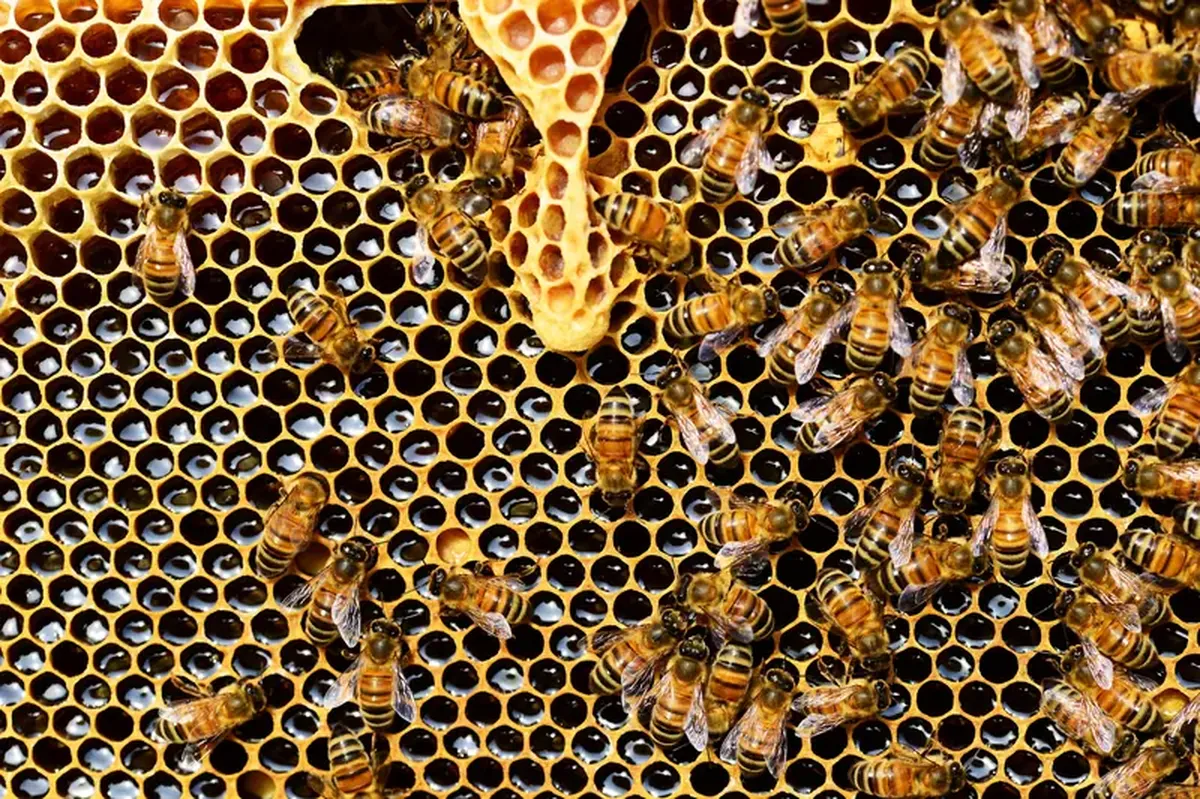
This natural treasure is produced entirely by bees, who partially digest collected nectar in their honey stomachs. Blossom honey comes from floral nectar, while honeydew honey comes from the sweet secretions of aphids or from tree bark. Honeydew is generally less prized, although both types contain active enzymes, folic acid, carotene (provitamin A), and vitamins C, E, K, B1, B2, and B6. Honey is rich in glucose, fructose, and sucrose, which make up about 80% of its carbohydrate content. More than 70 substances essential for vitality—physical tone, organ function, growth, and muscle strength—have been identified in this healing composition.
The maximum daily dose for adults is 100 grams, and for children it’s 50 grams. It’s best to let it dissolve slowly in your mouth. If heated, honey loses many of its healing properties—valuable components break down at temperatures of 104–122°F—so in boiling water it largely becomes sugar.
Treating Eye Conditions with Honey
Prolonged computer use can cause eye pain and inflammation of the eye’s mucous membrane. Honey-based eye drops can help: they soothe the tear film, relax tense eye muscles, and may restore visual comfort.
- Prepare eye drops from pure artesian water and liquid linden honey (linden is thought to dilate blood vessels) in a 10:1 ratio. Instill after washing your face. Follow this regimen: a half-month of procedures followed by an equally long break.
- Improvement in vision may come from taking natural remedies on an empty stomach in the morning and evening. Let the remedy dissolve in your mouth before brushing your teeth to preserve natural oral microflora. Two courses can provide benefits for up to six months.
- Tired eyes often feel better after a “sweet” bath. Do this every three days: rub honey twice into the neck and collar area, then relax in comfortably warm water (about 95°F).
Treating the Esophagus with Honey
This natural probiotic helps restore beneficial microflora in the gastrointestinal tract and improves digestion. It contains around 10 types of lacto- and bifidobacteria.
Enzymes in honey stimulate digestive processes and boost metabolism. Honey acts as a natural antiseptic, can kill pathogens, help heal mucosal ulcers, and ease symptoms of gastritis, cholecystitis, pancreatitis, and ulcers of the stomach and duodenum.
Dissolve 30 grams of honey in water and drink it three times a day, between meals.
Treating Skin Conditions with Honey
Gastrointestinal diseases and chronic infection sites (tonsillitis, sinusitis, diathesis, stomatitis) can trigger eczema or herpes. Honey can help heal skin conditions and may slow aging. It also promotes lymphatic drainage in wounds. When applied to a cleaned, disinfected area, it can activate cell nutrition and kill microbes such as streptococcus and staphylococcus.
- In half a glass of yogurt, mix a spoonful each of honey, coffee, and corn flour, then add two crushed garlic cloves and apply to inflamed skin areas. After it dries, remove the residue and repeat.
- Drink an herbal infusion: boil 10 grams of chamomile and 5 grams each of lemon balm, yarrow, plantain, calendula, and dog nettle in water, let it cool, and sweeten with honey and a few drops of apple cider vinegar.
- Rinse your face with honey water after evening washing to smooth out wrinkles and make the skin velvety.

Treating Stomatitis with Honey
This is a general term for diseases of the oral mucosa characterized by ulcers.
- Heat a rusty nail and fully immerse it in honey. Use the thick black substance that forms around the iron to coat sore gums in the evening; allow an abscess to break overnight. After this, the swelling should subside and the pain ease.
- Honeycombs can strengthen gums and help clean teeth of plaque.
- Steep a small amount of dried chamomile flowers in 0.5 liters of boiling water, filter, dilute the solution, and rinse your gums.
- For early-stage stomatitis, use a propolis tincture. Rinse the affected areas with hydrogen peroxide, dry them with warm air, apply a few drops of 50% propolis tincture, and dry again.
Treating Colds with Honey
- To combat inflammation of the nasopharynx, chop washed lower aloe leaves, extract the juice, and mix it with honey in a 5:1 ratio. Take a sip of the fresh mixture before meals. Take continuously for two months.
- Cold symptoms in the nasopharynx can be alleviated with an infusion of linden flowers, coltsfoot leaves, thyme, or raspberry fruits sweetened with honey.
- For inflammation of the upper respiratory tract, inhalations can be beneficial. Dissolve honey in warm water and inhale the steam for 15 minutes. Chewing honeycombs is also effective.
- Make a honey-garlic remedy: grate garlic, mix it in equal parts with honey, and take it with warm drinks in the evening.
- Warm milk with lemon and honey can help reduce fever and eliminate toxins.
- Recipe for an expectorant: steep a tablespoon of dried coltsfoot in a glass of boiling water, strain, and add honey. Take one sip three times a day.
- Mix a teaspoon of radish juice per dose and take it six times a day.
- Combine two tablespoons of honey, corn flour, instant coffee, kefir, and a crushed small garlic clove, and apply the mixture to your neck to help stop a cough.
- Infuse honey with 10 crushed garlic cloves and dried elderflower, strain, and drink a sip every hour.
- Boil 300 grams of milk, add honey and goat fat, and drink this hot remedy for a week.

Treating Sinusitis with Honey
Possible causes of sinus inflammation include infection and unresolved colds. Sinusitis shows up as a runny nose and difficulty breathing through the nose because of mucus buildup.
- Relief can come from nasal cotton swabs or gauze tampons soaked in honey, baking soda, and oil, or from nasal rinses made with a mixture that includes aloe juice. Insert the tampon into the nostril and lie down for a short time. Repeat twice a day for four days.
- To clear a stuffy nose, wrap matches in cotton, dip them in honey, and insert them into your nostrils. Breathing should improve shortly.
- Nasal rinse solution: mix honey and aloe juice in a 1:1 ratio. Instill two drops into each nostril twice a day. Adding a pinch of baking soda can increase the solution’s effectiveness.
Treating the Liver and Heart with Honey
This valuable product is ideal nourishment for the liver: it has an approximately 1:1 ratio of fructose to glucose. It helps regulate blood sugar levels, supports blood formation, enhances nervous system function, and stimulates tissue respiration. Consume 50 grams of honey daily for two months to see a noticeable improvement in overall condition.
- For heart pain, regularly eat a mixture of 40 grams of honey, seven walnuts, 200 grams of raisins, and 400 grams of zucchini caviar.
- Strengthen your heart with an alcohol tincture: pour half a liter of vodka into a pot, add 0.5 kilograms of honey, heat until a film forms (do not boil), and let it steep.
Honey also acts as a natural mood booster. Eating it in the morning may help you maintain stress resilience throughout the workday. Enthusiasts of this unique product often handle daily pressures more calmly and peacefully.
