
 Gaby
Gaby
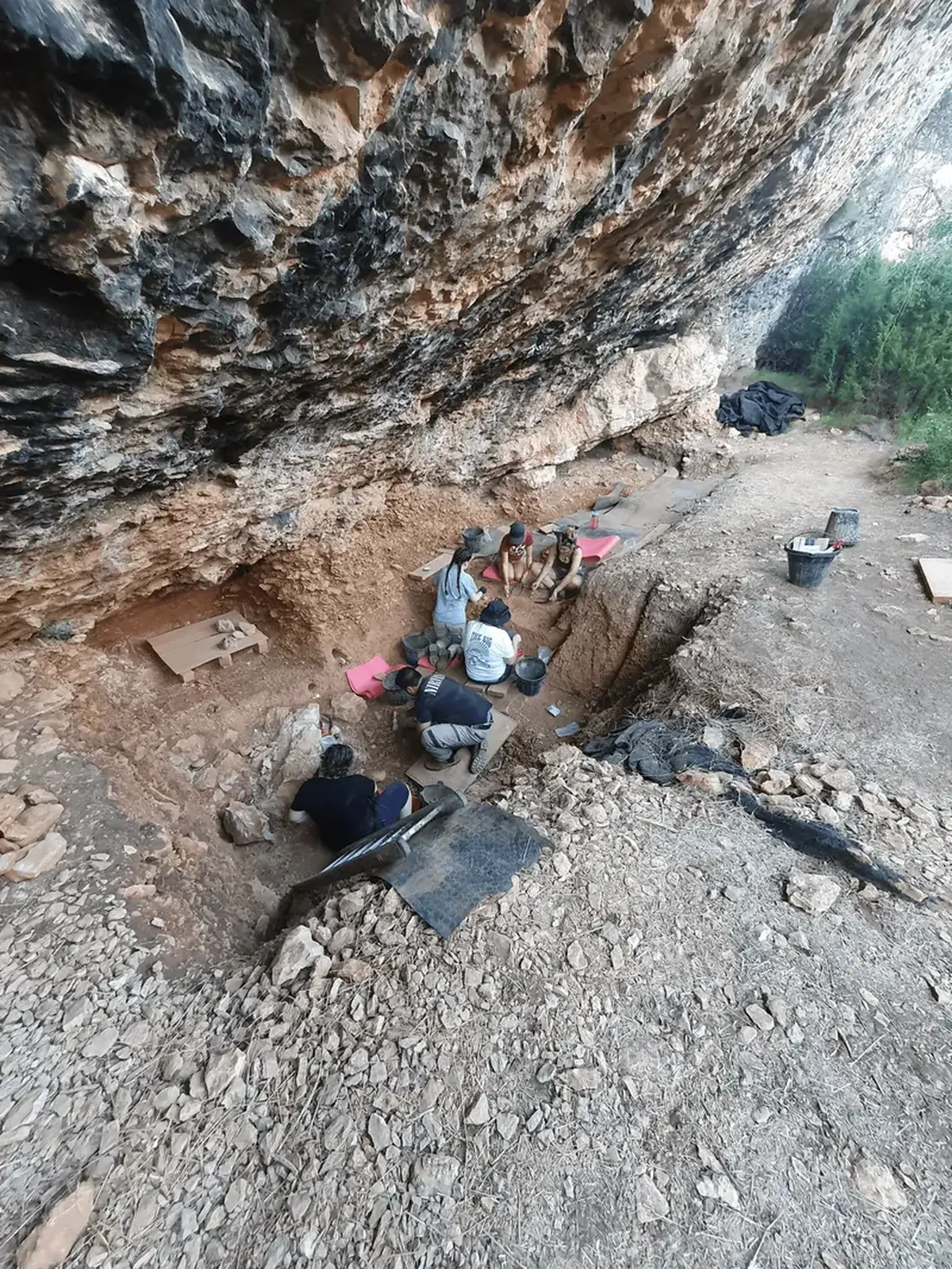
A new study of a rare rock shelter in the Spanish Pyrenees reveals surprising insights into how Neanderthals lived before modern humans arrived in Western Europe.
Researchers at the Australian National University (ANU) found Neanderthals were far more flexible and adaptable than often assumed.
This conclusion emerged as the team examined numerous animal bones and stone tools found at the site. The site, known as Abric Pisarro, is one of the few Neanderthal locations dated to Marine Isotope Stage 4 (MIS 4), which lasted from 100,000 to 65,000 years ago—well before modern humans reached the Iberian Peninsula.
Lead researcher Sofia Samper Carro says the most intriguing finding is that Neanderthals thrived before modern humans arrived.
The Pyrenees region was previously thought unsuitable for stable Neanderthal occupation during MIS 4 because millennial-scale climate shifts would have created dry conditions and drastic temperature swings. But discoveries at Abric Pisarro show the opposite: Neanderthal ingenuity let them flourish long before Homo sapiens arrived.
How Did Neanderthals Demonstrate Intelligence and Ingenuity?
For instance, since most later Neanderthal sites primarily contain bones of large prey like horses and rhinoceroses, it was assumed that this species could not hunt smaller creatures. However, most of the bones found at Abric Pisarro belonged to small mammals, as reported by IFLScience. This suggests that Neanderthals may have adapted their hunting strategies based on the types of prey available in the region at that time.
“Our remarkable findings at Abric Pisarro showed just how adaptable Neanderthals were. The animal bones we discovered indicated that they successfully exploited the local fauna, hunting deer, horses, and bison, as well as consuming freshwater turtles and rabbits, which implies a certain degree of planning,” Samper Carro explained.
Based on the diverse remains found at the excavation site, the authors concluded that local groups of Neanderthals were skilled hunters with considerable knowledge of the surrounding landscape, which they effectively utilized. Meanwhile, the stone tools uncovered at Abric Pisarro showcased a variety of processing techniques, further evidence of these hominins’ ability to harness environmental resources.
“They certainly knew what they were doing,” Samper Carro noted. “They understood the terrain and knew how to survive over extended periods.”
Unfortunately, these findings do not clarify how or why Neanderthals went extinct shortly after the arrival of modern humans. However, the study’s results at least fill some gaps in our understanding of the Neanderthal experience prior to their encounter with modern humans.
Neanderthals disappeared around 40,000 years ago after Homo sapiens arrived in the Pyrenees, but before that they had lived in Europe for roughly 300,000 years, Samper Carro said.
The findings of this research were published in the Journal of Archaeological Science.
