
 Gaby
Gaby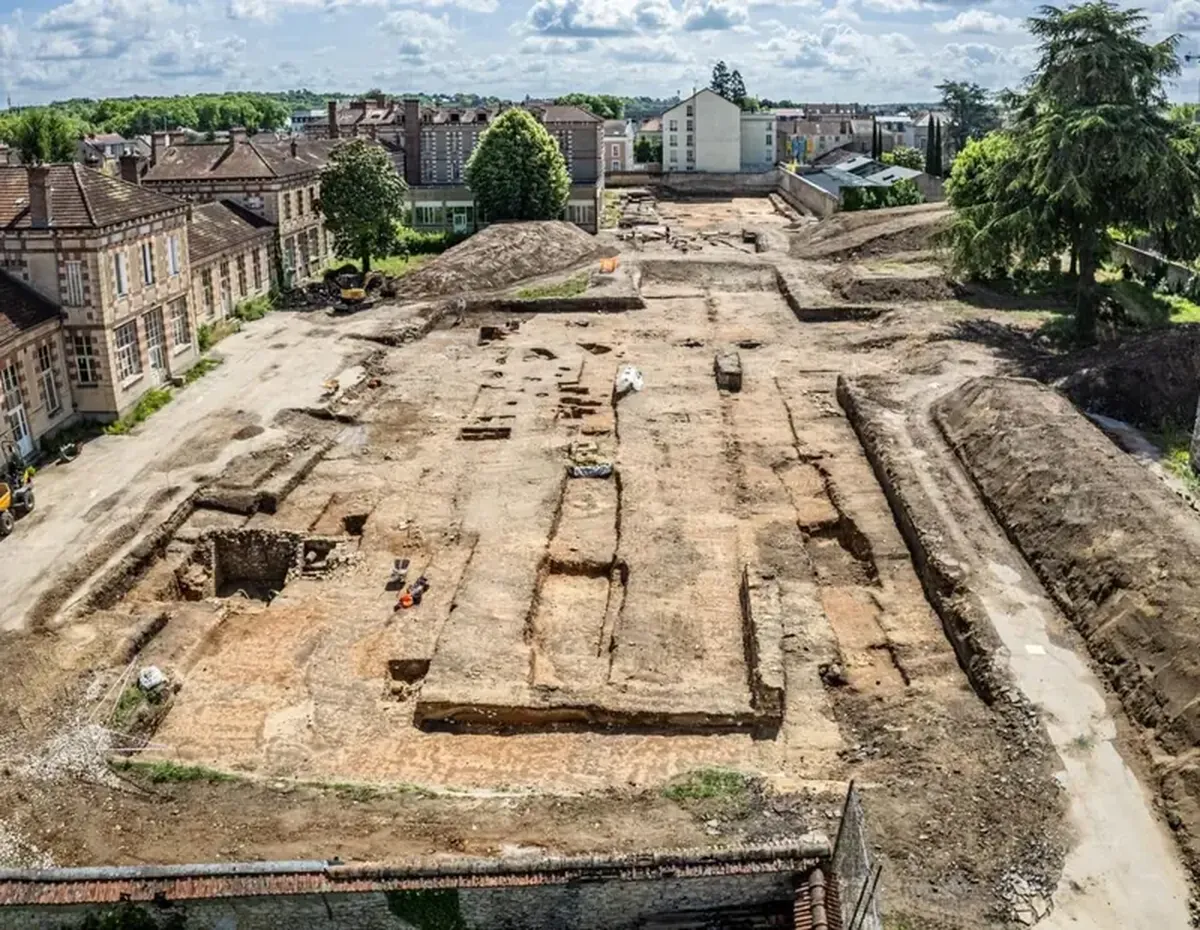
Archaeologists from the National Institute for Preventive Archaeological Research in France (Inrap) have uncovered the ruins of a large Roman city called Metlosedum during excavations in Melun, 40 kilometers southeast of Paris. Researchers say the city held strategic importance in the Roman province of Lugdunensis (Gaul).
Arkeonews reports Metlosedum sat at the crossroads of major land and river trade routes. To the west of the city, the team discovered a large rectangular residential estate covering more than 700 square meters. Among the finds were fragments of a stone foundation bound with lime mortar, several rooms, and a central courtyard. A well-preserved cellar, 2.2 meters deep, featured a ventilation shaft and built-in niches reached by stairs. Within this complex, archaeologists found a fragment of a Roman column that had been repurposed in the estate’s construction.
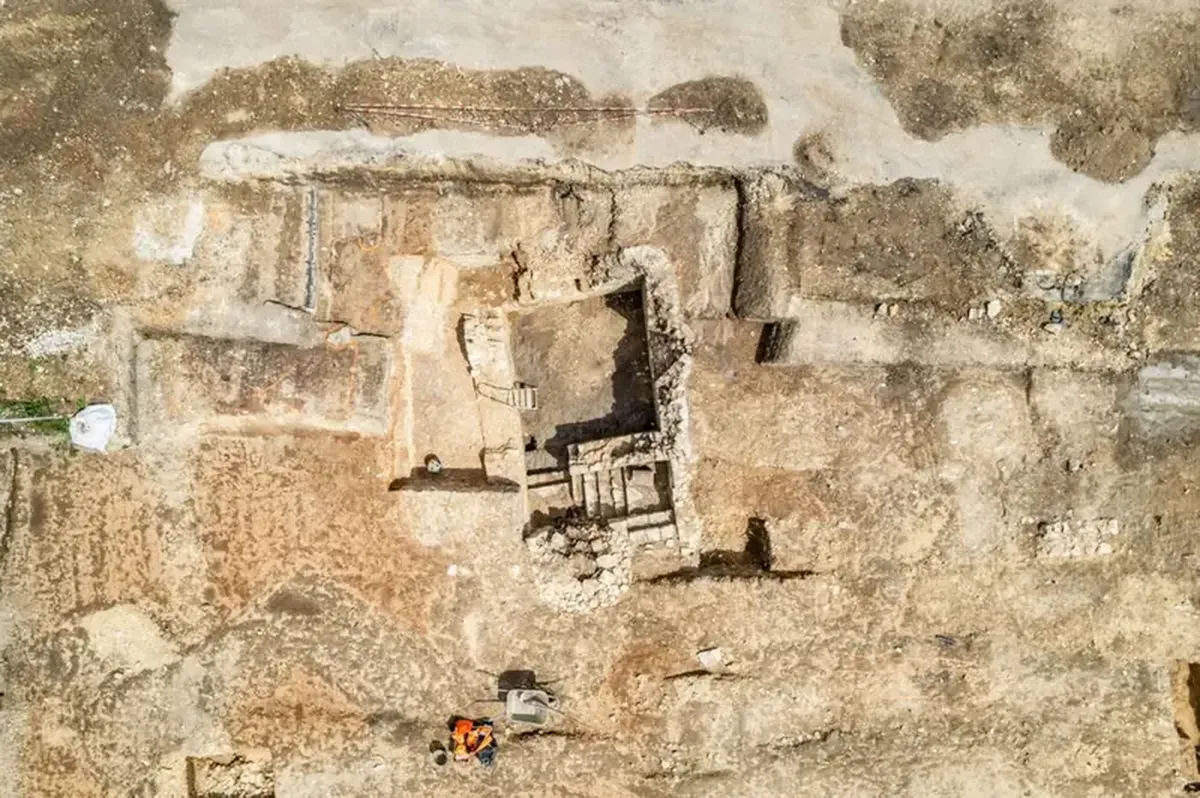
Forty meters east of this building, the researchers uncovered another complex of structures totaling around 600 square meters. Despite significant damage from modern utility work, archaeologists identified a room, a kitchen area with a hearth made of tegula (Roman tiles), and a ceramic water supply system.
Between the first and second rows of buildings, there was an open space with storage pits, small unlined cellars, and eight wells built from unworked limestone blocks. Because the architectural record is incomplete, it remains unclear whether the western and eastern buildings were two separate residences or parts of a single complex that likely spanned more than 2,000 square meters. That’s an exceptionally large size for Roman residential architecture in this region.
At the excavation site, archaeologists also found zigzag trenches from World War II—civilian air-raid shelters—and a French Adrian helmet of the 1926 model. These discoveries show that Melun’s history is rich and layered.
