
 Gaby
Gaby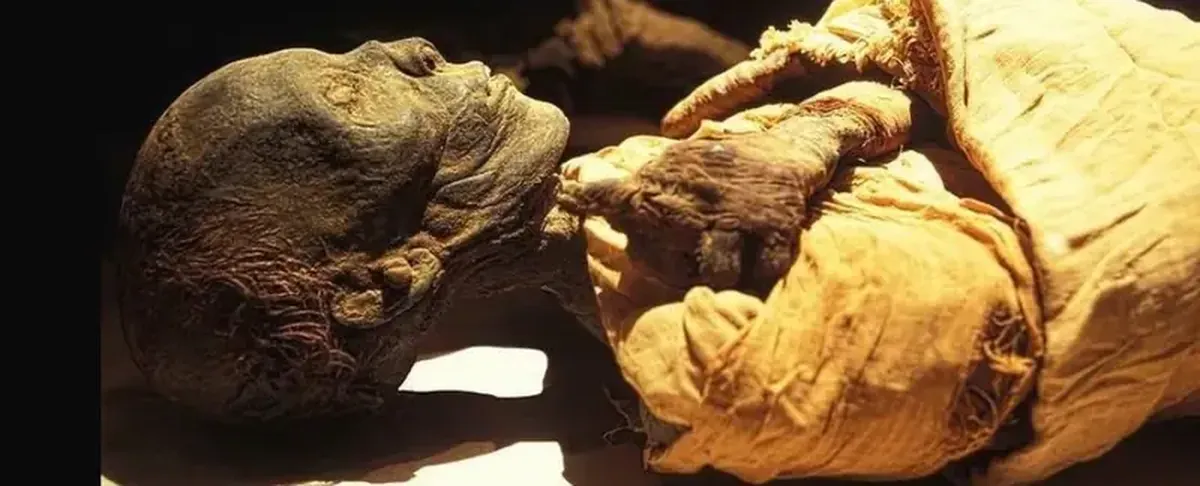
A joint Egyptian-British archaeological team led by Pearce Litherland of the University of Cambridge announced a rare find near Luxor: the tomb of Pharaoh Thutmose II of the 18th Dynasty. HouseWife has noted the discovery, especially because it is the first pharaoh’s tomb found since Tutankhamun’s burial was unearthed more than 100 years ago.
As if that weren’t enough, the same team announced a second pharaoh’s tomb nearby — but they still haven’t reached it.

These discoveries may be connected
British Egyptologist Pearce Litherland suggested that both tombs likely belong to Pharaoh Thutmose II, an ancestor of Tutankhamun who ruled Egypt about 3,500 years ago.
While examining the first tomb, which proved to be empty, Litherland found evidence that the pharaoh’s mummified remains may have been moved by his wife, Hatshepsut. Archaeologists say the tomb was looted within six years of Thutmose II’s death in 1479 B.C.
Hatshepsut likely reburied her husband’s body after the original tomb flooded; that tomb was located beneath a waterfall. All the pharaohs of the 18th Dynasty, including Thutmose II, were buried beneath waterfalls.
Pearce Litherland and his team hope that the second tomb, which is covered by a 23-meter-thick layer of limestone debris, ash, and dirt, will contain Thutmose II’s mummified body and associated artifacts. Researchers are exploring ways to access the burial site safely, according to the Daily Mail.
The plan is to slowly and manually separate the massive boulders of rock and limestone. The excavation leader said, “We tried to dig a tunnel there, to cut the walls, but there are overhanging rocks, so it’s too dangerous.” Despite that, he added, “We should be able to dismantle everything in about a month.”
Pearce Litherland, who has been fascinated by ancient Egypt since childhood, said of the discoveries: “You dream of such things. But, like winning the lottery, you never believe it will happen to you.”
The two finds have been confirmed by the New Kingdom Research Foundation (a British independent academic organization) and the Egyptian Ministry of Tourism and Antiquities, both of which congratulated Litherland’s team on the extraordinary double discovery.
