
 Gaby
Gaby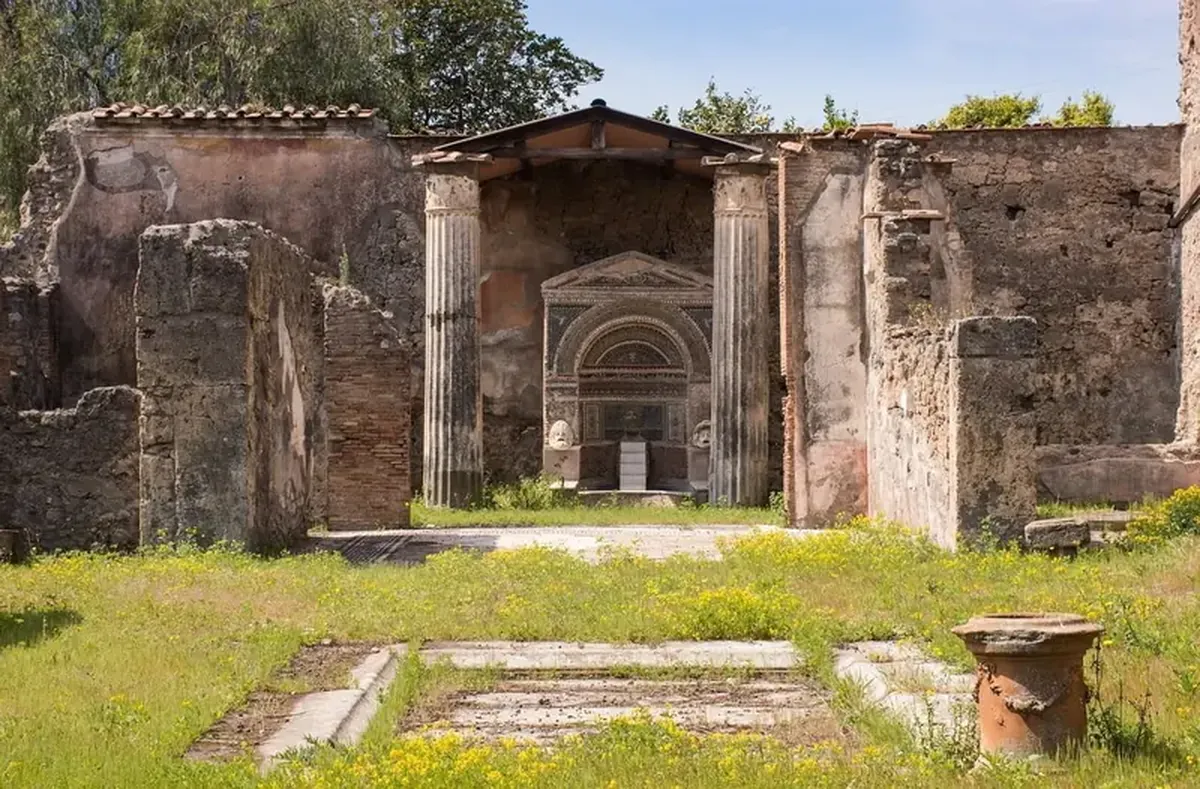
The ancient Roman city of Pompeii, buried by Mount Vesuvius in 79 A.D., continues to astonish archaeologists with discoveries that offer a vivid glimpse into its residents’ lives. Recently, researchers uncovered a tiny, cramped room containing two beds and a single mattress — a stark example of how slaves lived in Ancient Rome.
How Did Slaves Live in Pompeii?
The find was in a wealthy suburb of Pompeii about 600 meters from the city’s northern walls, which were buried nearly 2,000 years ago. Archaeologists found no grates, locks, or chains to restrain the room’s occupants, suggesting that control over slaves relied more on the social organization of slavery than on physical restraints.

In addition to the two beds, the room contained two small wardrobes and several urns and ceramic containers that held the remains of two mice and a rat. These details highlight the instability and poor hygiene the lower classes endured at that time.
Excavations at the Villa of Civita Giuliana in Pompeii
Excavations at the Villa of Civita Giuliana resumed in 2017. Several relics have been uncovered, including a ceremonial chariot and a stable with the remains of three harnessed horses. Three years ago, archaeologists also found the remains of two men — one a wealthy gentleman and the other likely his slave.
Experts say the first man was between 30 and 40 years old, had a more robust bone structure, and was dressed in a tunic. The other man was about 18 to 23 and had several compressed vertebrae, which led archaeologists to suggest he was a laborer or a slave. Archaeologists suggest the two may have been seeking shelter from the eruption when they were caught.
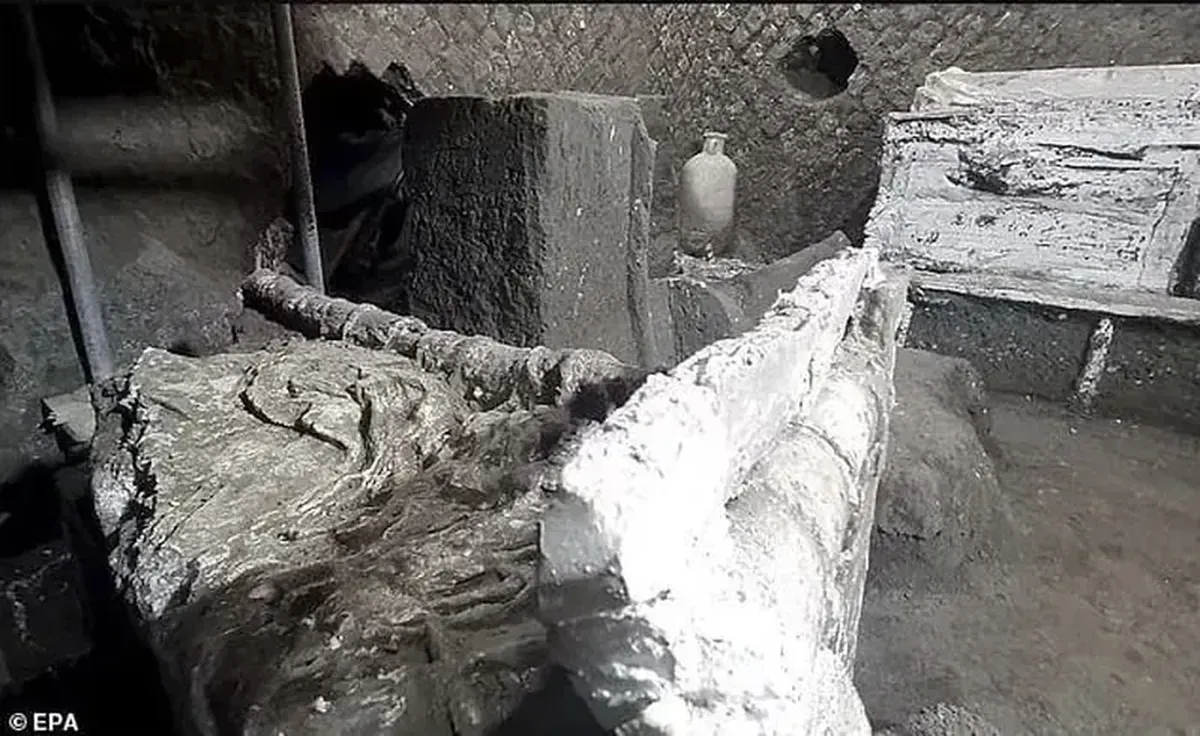
The announcement of the latest discovery of the room inside the ancient house was made over the weekend. Archaeologists said the furniture and fabric decayed after the eruption, leaving voids in the debris. They used plaster to create casts that reveal the original shapes and contours of long-lost materials, including the outline of a crumpled blanket on a bed frame.
An Archaeological Treasure Trove of Ancient Roman Life
The first excavations at the Villa of Civita Giuliana took place between 1907 and 1908. Work resumed in 2017 after authorities discovered the site was being looted by ‘tomb raiders.’ Thieves dug a tunnel to reach another part of the villa, which led to the destruction of part of one of the beds in the recently discovered room.
The eruption of Mount Vesuvius in 79 A.D. buried Pompeii and its surroundings under a thick layer of ash. That layer effectively froze the city in time, leaving a rich source for archaeological study.
Archaeologists are continually uncovering new sites in ash-covered Pompeii. For instance, in May an entire alley of grand houses with balconies was discovered, largely untouched and still showing its original colors.
Italy’s Minister of Culture said preservation and study of the site will continue following the latest discovery. He added that the opportunity to learn about material conditions and social hierarchy from that era opens new horizons for historical and archaeological research.
