
 Gaby
Gaby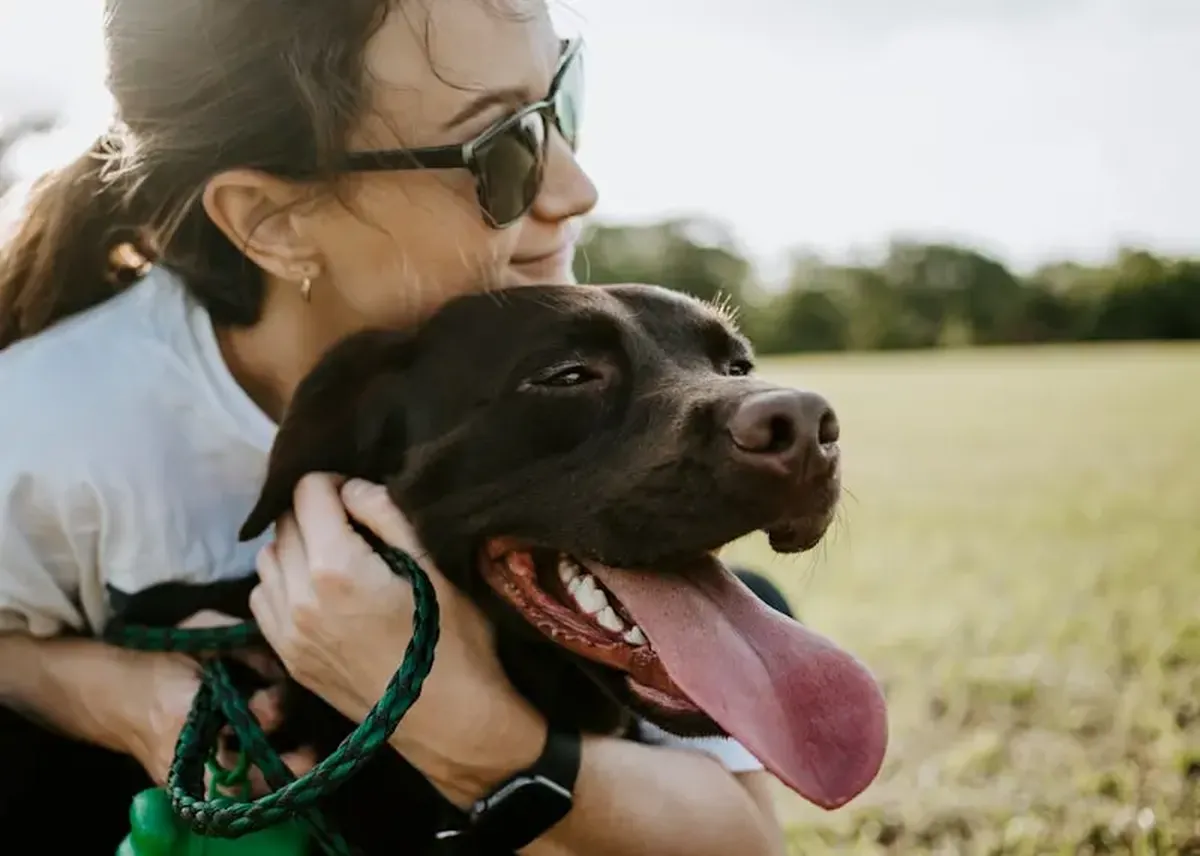
It turns out that dogs resemble their owners not just in appearance, but also in personality traits. This connection is particularly strong when the relationship is harmonious. Such similarities are observed when a strong and warm bond has been established between the owner and the dog. Both share a mutual enjoyment of outdoor walks and a sense of devotion, as reported by the Daily Mail.
What Researchers Discovered
A team of scientists from the Max Planck Institute for Human History in Germany analyzed 29 published studies on the relationships between dogs and their owners. The research revealed that owners who have a good relationship with their dogs tend to share similar temperaments with their furry friends. The team found that these bonds were strengthened when the dog exhibited higher levels of openness, agreeableness, and neuroticism than the owner. The study’s authors pointed out that a dog’s openness and agreeableness are traits that facilitate social communication between the human and the pet, especially when the owner lacks these characteristics.
As the researchers observed, forming functional relationships with dogs offers both physical and psychological benefits for the owner.
Components of Harmony and Disharmony
One of the catalysts for this new research was the increase in pet abandonment cases, particularly during the COVID-19 pandemic. Former dog owners cited not only financial difficulties or a lack of time for pet care but also disharmonious relationships with their pets as reasons for giving them up. Thus, the scientists aimed to identify which personality traits positively influence the relationship between dogs and humans.
In the study, functional relationships between humans and dogs were viewed as complementary and mutually supportive. This means both parties are friendly but opposite in terms of dominance and submission. The relationship between a submissive owner and a dominant dog can be quite complex. The team found that complementary relationships are associated with high levels of attachment, leading to longer-lasting, more caring, and fulfilling interactions. In contrast, dysfunctional relationships often involve behavioral issues in dogs, such as aggression and separation anxiety.
The researchers determined that for a dog to establish functional, harmonious relationships with humans, it should possess traits such as energy, affection, intelligence, openness, agreeableness, and a willingness to learn. Meanwhile, in dysfunctional, problematic relationships, dogs typically exhibit traits like asocial behavior, resistance to training, territoriality (in this case, aggressive protection of their space), and a tendency toward destructiveness.
The scientists also found links between owners’ personalities and dog aggression: owners with higher levels of neuroticism tended to have more aggressive pets. Additionally, they found that dogs to which an owner is strongly attached often exhibit separation anxiety. This is commonly observed among individuals without children, and among people who are divorced or widowed. The authors of the study hope that their findings will help reduce the number of pet abandonments and increase the number of dog adoptions from shelters.
