
 Gaby
GabyPeople have long known that nature benefits our health. A team from the University of Vienna (Austria) and the University of Exeter (United Kingdom) recently showed that watching live nature or photographs of landscapes can reduce pain. “However, the underlying reasons for this effect remain unclear,” said Austrian neurobiologist Maximilian Steininger, the study’s lead author. Because many people like nature, the relief could be a placebo. The researchers also asked: what if nature doesn’t so much reduce pain as urban life increases it? What did they find?
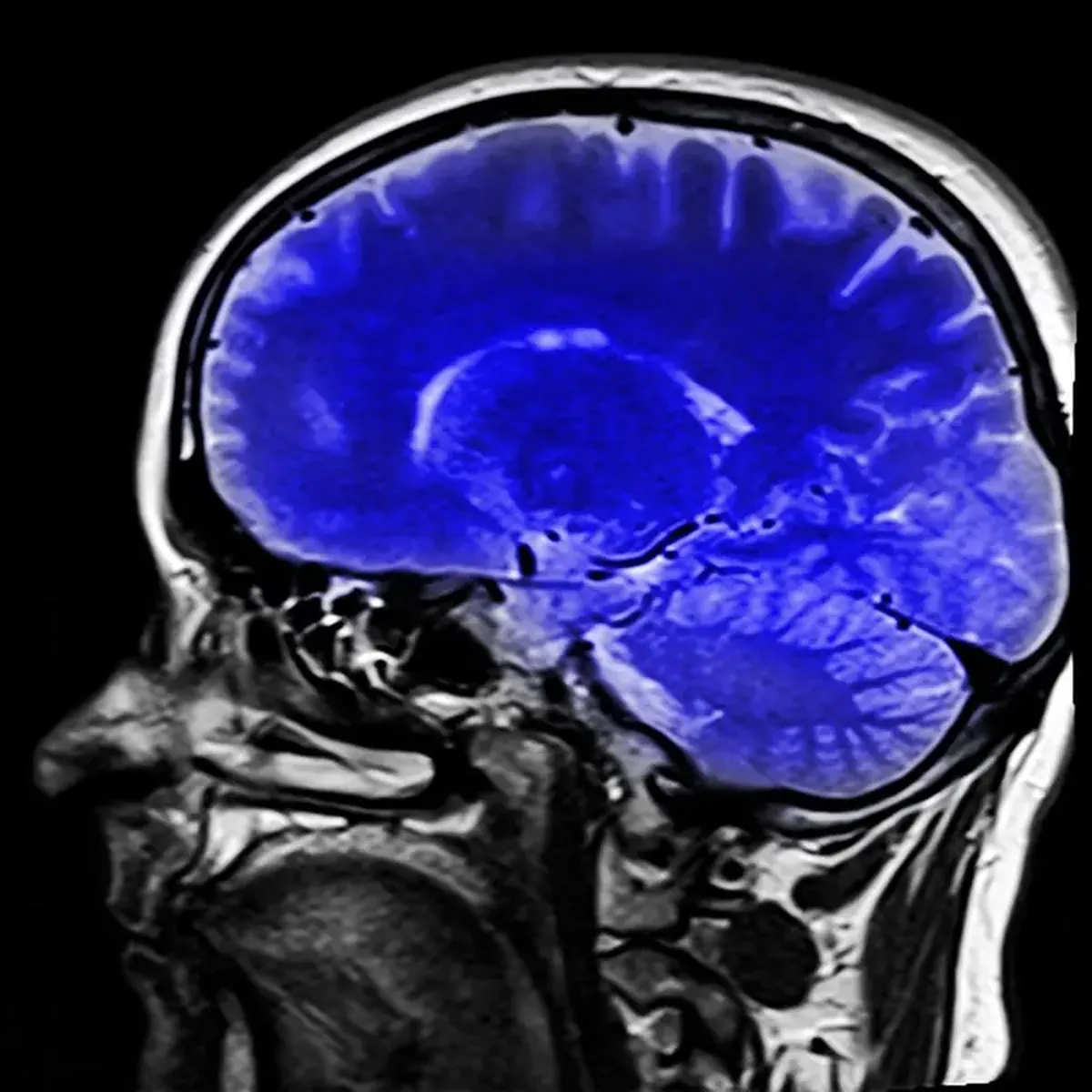
During the study, the researchers monitored the brain activity of 49 volunteers using functional magnetic resonance imaging (fMRI).
Participants watched various video clips while receiving a series of electric shocks (some more painful than others) to the back of their left hand. In the first video, viewers saw a lake surrounded by swaying trees, with leaves rustling and birdsong in the background. The second scene mixed greenery with urban elements like buildings, benches, and alleys, accompanied by city noise. The third video showed an office with dreary furniture and matching ambient sounds.
Participants reported feeling less pain while watching the natural landscapes. Moreover, fMRI scans showed changes in their brains during that time. “Our study is the first to provide evidence through brain scanning that this is not a placebo effect,” Steininger said. The nature scenes triggered a decrease in activity in brain regions involved in nociception, the detection of painful stimuli. Other areas involved in pain regulation did not show significant engagement, ScienceAlert reported.
“The fact that pain relief can be achieved through virtual exposure to nature has important practical implications,” said study co-author Alex Smalley from the University of Exeter. He added that the findings open “new avenues for research that will help us better understand how nature affects our minds.” The study’s conclusions were published in the journal Nature Communications.
