
 Carlos Solis
Researchers studying people who live to 100 and beyond have repeatedly noticed how important gut health is for longevity.
Here’s a striking example. In 2024, Spanish-born María Branyas, the world’s oldest woman, died at age 117. An international research team found that her gut microbiome resembled that of a young person. It wasn’t just diverse — it was rich in bifidobacteria. Those bacteria are known for:
- Normalizing the gut microbiota and protecting the intestine from pathogenic microbes and toxins.
- Helping digestion by breaking down proteins and carbohydrates and aiding nutrient absorption.
- Supporting the immune system, since roughly 80 percent of immune cells reside in the gut.
- Producing vitamins and amino acids.
- Being effective in treating dysbiosis, diarrhea, constipation, and bloating.
After analyzing the guts of María Branyas and other centenarians, experts identified six gut-health secrets that help slow aging.
1. Even distribution of microbes matters more than sheer diversity
Scientists have long treated gut bacterial diversity as a marker of health. But newer research, reported in BBC Science Focus, shows the gut needs both a variety of species and a balanced distribution of those species.
A few years ago, a team at the Guangxi Academy of Sciences in China analyzed the guts of 1,500 people, 297 of whom were over 100 years old.
Dr. Shuai Wang, the study’s lead author, said that while centenarians do show distinctive microbiome features, “it’s not just about diversity, it’s about evenness.”
Wang explains that for many diseases, gut microbiota diversity in sick people can actually be higher than in healthy people. That rise often reflects a loss of gut-barrier resilience, which allows rare microbes or microbes from other body sites to colonize the gut.
Fiber is key to strengthening a weakening gut barrier. So, following centenarians’ example, eat more high-fiber foods and plenty of vegetables.
2. Some bacteria act like miracle workers for older adults
Bifidobacteria, which were abundant in María Branyas’s gut, produce short-chain fatty acids that protect against frailty in old age. Other bacteria also make these fatty acids, including Faecalibacterium prausnitzii (often shortened to F. prausnitzii). F. prausnitzii doesn’t come from a specific food, but eating lots of fruits and vegetables supplies the fiber it needs to flourish in the gut.
Wang’s team found many other short-chain–fatty-acid–producing bacteria in centenarians, including Blautia, Lachnoclostridium, and Phascolarctobacterium. These microbes reduce inflammation and help fight obesity and metabolic disorders.

3. Too many of certain bacteria is bad news
Streptococcus and Helicobacter pylori are common in the human gut. In small amounts they’re harmless. But when gut health breaks down, an unhealthy imbalance can let these species multiply to dangerous levels.
That’s another reason balance matters: too many “bad” bacteria leave less room for “good” ones to thrive.
You might expect pathogenic bacteria to flourish in the guts of centenarians, but their diets — heavy on fruits, vegetables, and fermented foods — help them cope with invasions of unwanted microbes.
4. Gut health is tied to preserving a youthful brain
As we age, our risk of degenerative brain diseases increases. New studies show the gut plays a major role in lowering that risk.
The stomach has its own nervous system that connects to the brain via the vagus nerve, so the gut influences brain function and mood. Likewise, stress acting through the brain–gut axis can cause stomach pain.
People with Parkinson’s often lack certain beneficial bacteria. Researchers have also found destructive protein clumps called Lewy bodies in the guts of Parkinson’s patients; those same clumps form in the brain and drive several neurodegenerative diseases.
All of this supports the idea that gut health matters for both physical and mental longevity.
5. Improving gut health makes you stronger
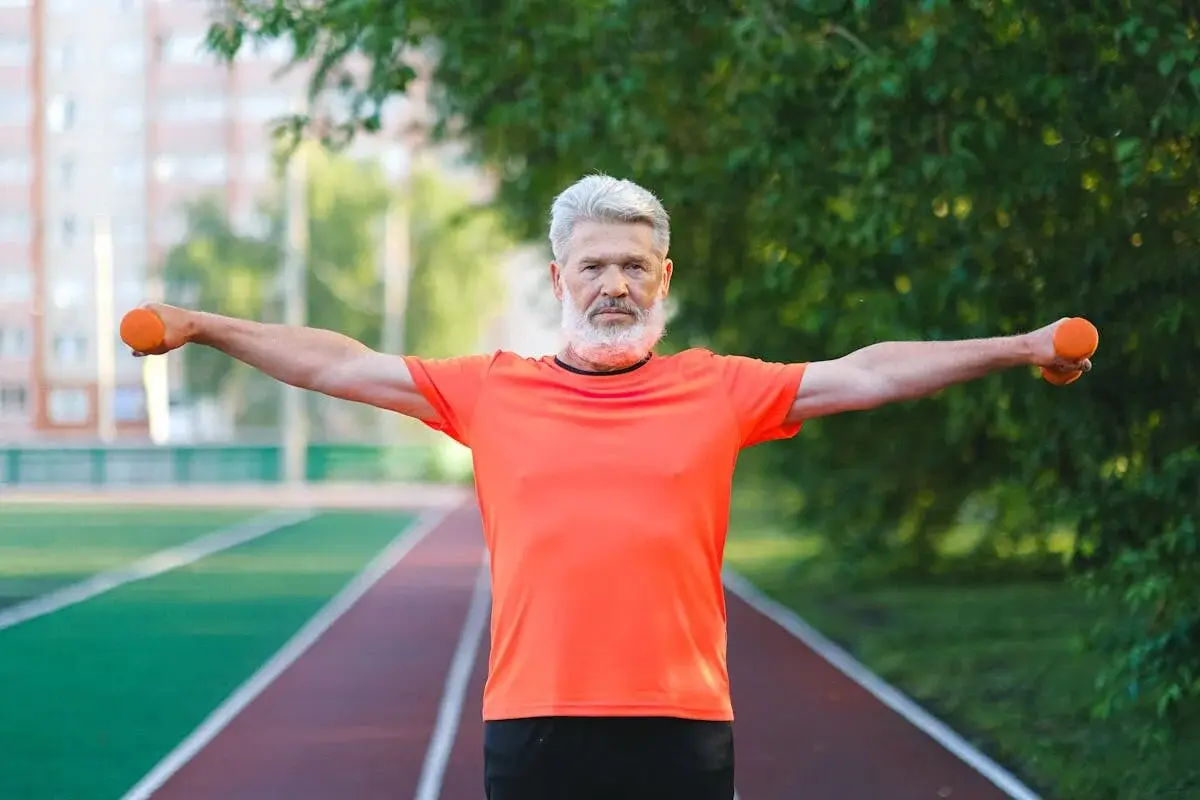
Muscle atrophy is an enemy of long life. That’s why experts recommend strength training, especially in middle age. “Loss of muscle mass with age contributes to loss of independence,” said Lochlain.
Researchers are increasingly convinced that gut health helps maintain muscle health. Studies show probiotic supplements rich in beneficial bacteria can improve muscle strength in older adults.
Take prebiotic fiber to help the gut microbiota and, as a result, the muscles. “They’re simple fibers, but they can potentially improve cognitive function and strengthen muscles,” a scientist said.
6. Centenarians’ habits preserve gut health
Wang says most live very simple, measured lives. They tend to eat natural, fiber-rich foods, including many vegetables such as corn and sweet potato.
Natural sources of prebiotic fiber include oats, garlic, various onions, and asparagus.
Our microbiome benefits from an overall healthy lifestyle. That’s another reason to prioritize diet, exercise, sleep hygiene, and mental health. Social interaction soothes the autonomic nervous system, which is closely linked to the gut.
Photo: pexels.com
