
 Gaby
Gaby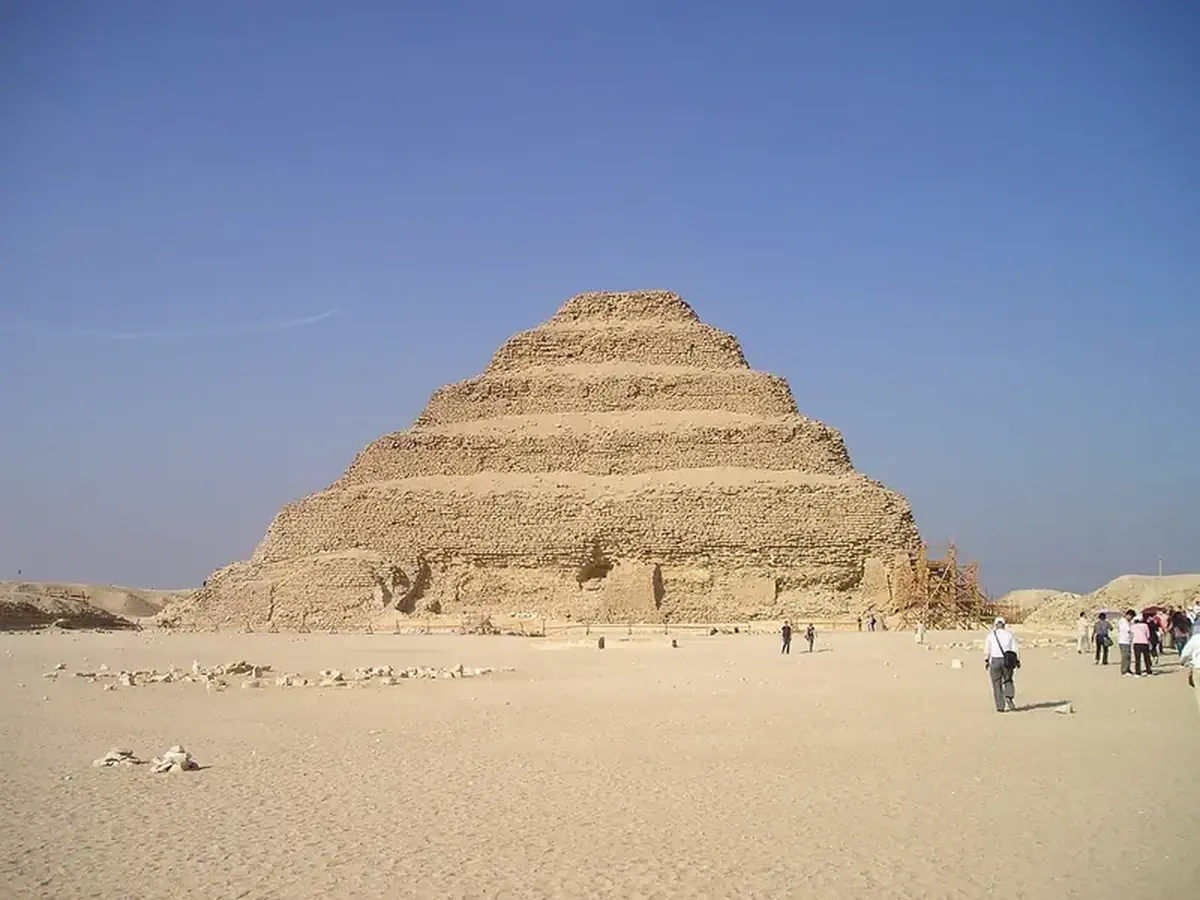
An international team of researchers made an astonishing discovery at Tombos — an archaeological site linked to Ancient Egypt near the Nile in northern modern-day Sudan. After Egypt conquered Nubia (a historical region in the Nile Valley) around 1500 B.C., Tombos became an important colonial center.
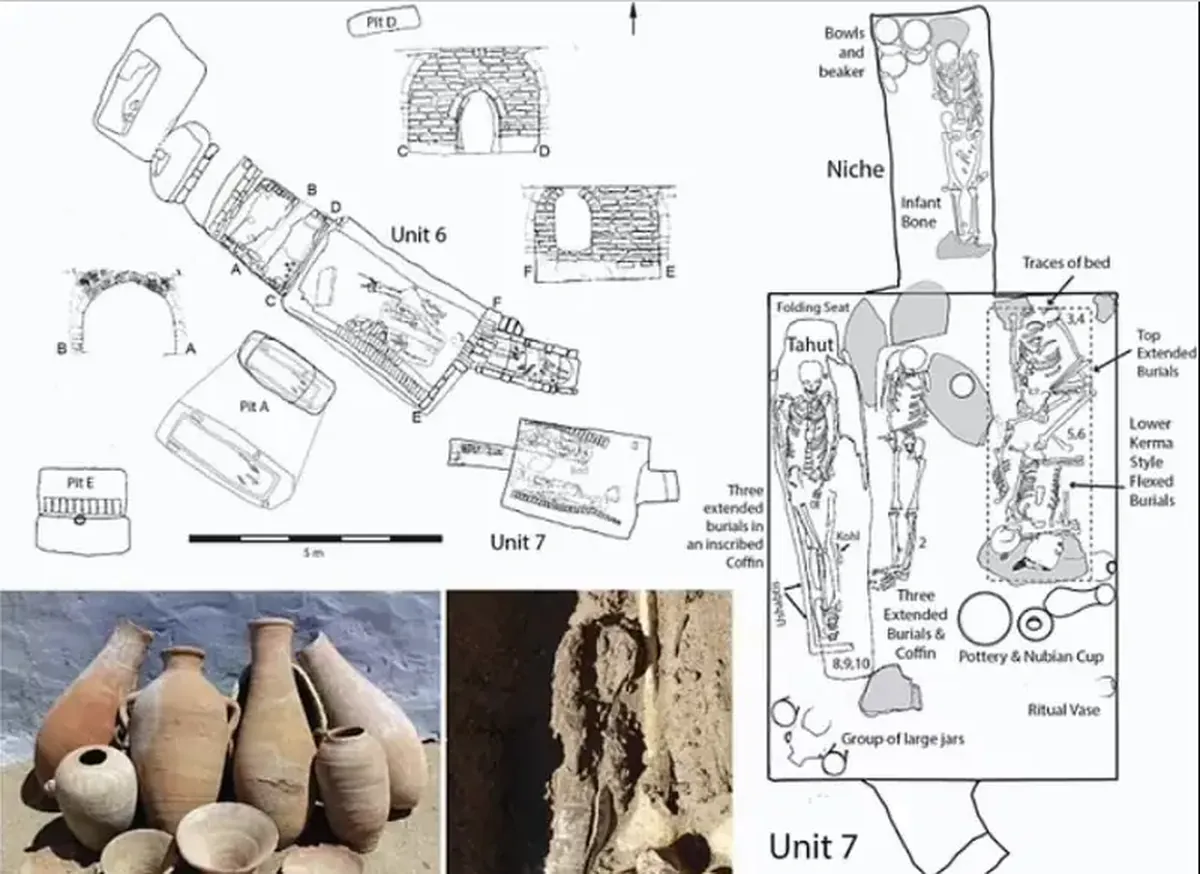
There, archaeologists uncovered skeletons of low-status individuals who had been buried in a pyramid. Analysis showed these people had performed heavy physical labor during their lives.
The team says the find offers a new perspective on Ancient Egyptian history, especially on who was buried in pyramids.
Traditionally, pyramids have been seen as the final resting places of the elite, often accompanied by servants. Finding remains of laborers in those tombs wasn’t expected — that was the prevailing belief among scholars until now.
Then came the surprising discovery: commoners were buried alongside the elite. The team wrote that low-status personnel may also have been interred in pyramid tombs once thought reserved for the elite.
Sara Schreider, an archaeologist at Leiden University in the Netherlands and a co-author of the study, analyzed the skeletons from Tombos. She examined muscle- and tendon-attachment sites on the bones and found that some skeletons showed little evidence of manual work, while others bore markers consistent with long-term physical labor. The researchers interpreted the less-active skeletons as members of the elite who lived in relative luxury, and the more marked skeletons as skilled laborers.
What Else Did the Researchers Report?
Historians say Tombos was mainly populated by minor officials, craftsmen, and scribes — people who could read and write.
Archaeologists uncovered the ruins of at least five mud-brick pyramids at Tombos. Some of those pyramids contained human remains and ceramic artifacts such as jugs and vases.
The largest pyramid complex belonged to Siamun, a pharaoh of Egypt’s 21st Dynasty who ruled roughly between 1077 and 943 B.C.
The wealthy elite left different patterns on their skeletons compared with other social classes, allowing researchers to distinguish between the groups, the Daily Mail reported.
Archaeologists suggested workers may have been buried alongside the elite so they could continue serving their masters in the afterlife. The team says the discovery challenges the long-held assumption in Egyptology that only the elite were buried in monumental tombs.
Around 80 pyramids were built in the territory of modern-day Sudan.
The study’s findings were published in the Journal of Anthropological Archaeology.
