
 Gaby
Gaby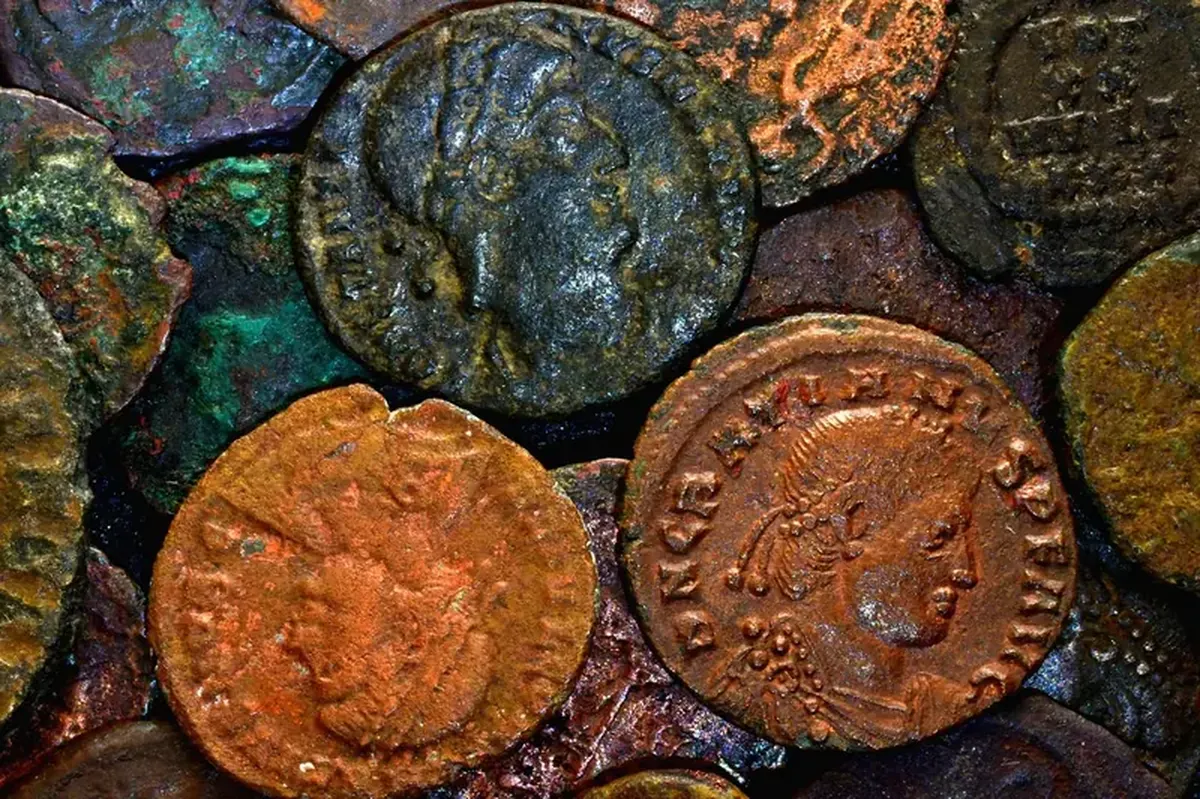
A team of Spanish researchers unearthed a stone mold from the 2nd century BC at the archaeological site of Obulco, in what is now the town of Porcuna. It’s the oldest known mold used to mint coins in Roman Spain.
Obulco was an important Iberian-Roman city during the Roman conquests. It thrived in the 2nd century BC as a regional economic and cultural hub. The city sat on key trade routes and operated its own mint.
Between the late 3rd and 1st centuries BC, many mints appeared on the Iberian Peninsula, producing coins either continuously or intermittently. But physical evidence of these operations is scarce. Archaeologists more commonly find the coins themselves than the workshops that made them, leaving questions about production techniques and mint locations unanswered.
What Makes This Discovery Interesting?
The stone mold measures about 11 centimeters high, 13.7 centimeters long, and 5.4 centimeters wide. It’s half of a two-part mold used to cast coin blanks—metal discs that were later struck into coins, Arkeonews reports.
The mold has a flat surface bearing round casting impressions and signs of heat treatment. Petrographic analysis shows the stone came from a Porcuna quarry, indicating local resources were available for producing industrial tools.
X-ray fluorescence revealed traces of a copper-lead alloy in the impressions. Researchers linked that alloy to bronze coins dated between 189 and 165 BC — part of one of the city’s earliest coin series.
The coins’ iconography shows integration into the Roman economy, depicting agricultural motifs that reflect the local economy’s reliance on grain.
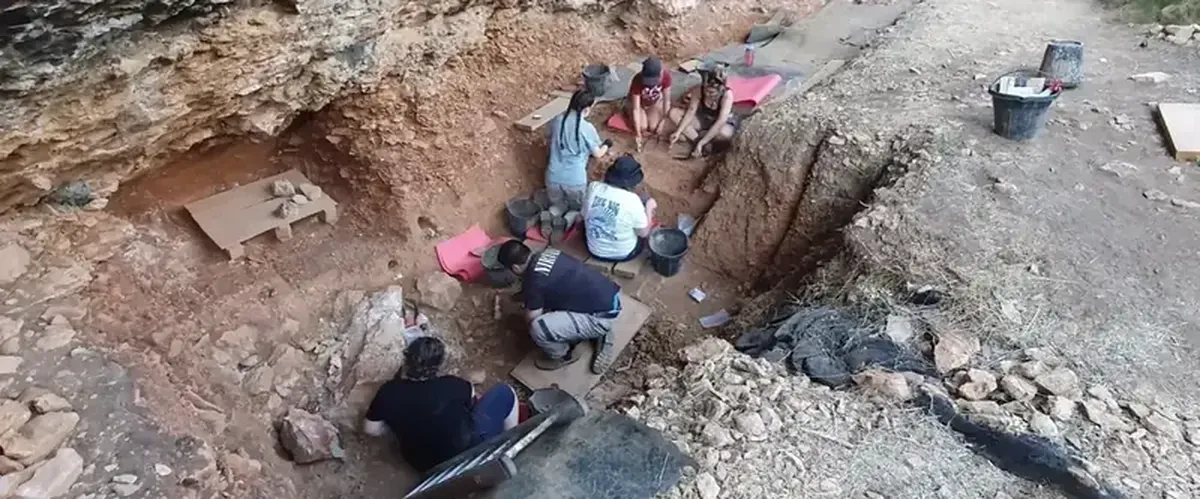
Finding the mold near the city’s fortifications raises questions about where the mint operated. Similar finds elsewhere in Roman Spain suggest mints could be located in peripheral areas under the control of local magistrates or military commanders.
Why Is This Discovery Important?
The mold sheds light on coin-production technology and on socio-economic changes from Roman expansion. Coins from the 2nd century BC bear inscriptions in both Iberian and Latin scripts, showing indigenous communities gradually adopting Roman administrative practices. The Obulco mold is a tangible sign of how Iberian cities transformed as they were incorporated into the Roman imperial system.
This discovery helps fill a gap in our knowledge about the geographic distribution of Roman-period mints in Spain and opens the door to new research.
By clarifying coin-production details, the find advances our understanding of the economic, political, and social dynamics behind the Romanization of the Iberian Peninsula. As researchers study artifacts like this mold, they can build a clearer picture of how ancient societies adapted to Roman rule.
