
 Carlos Solis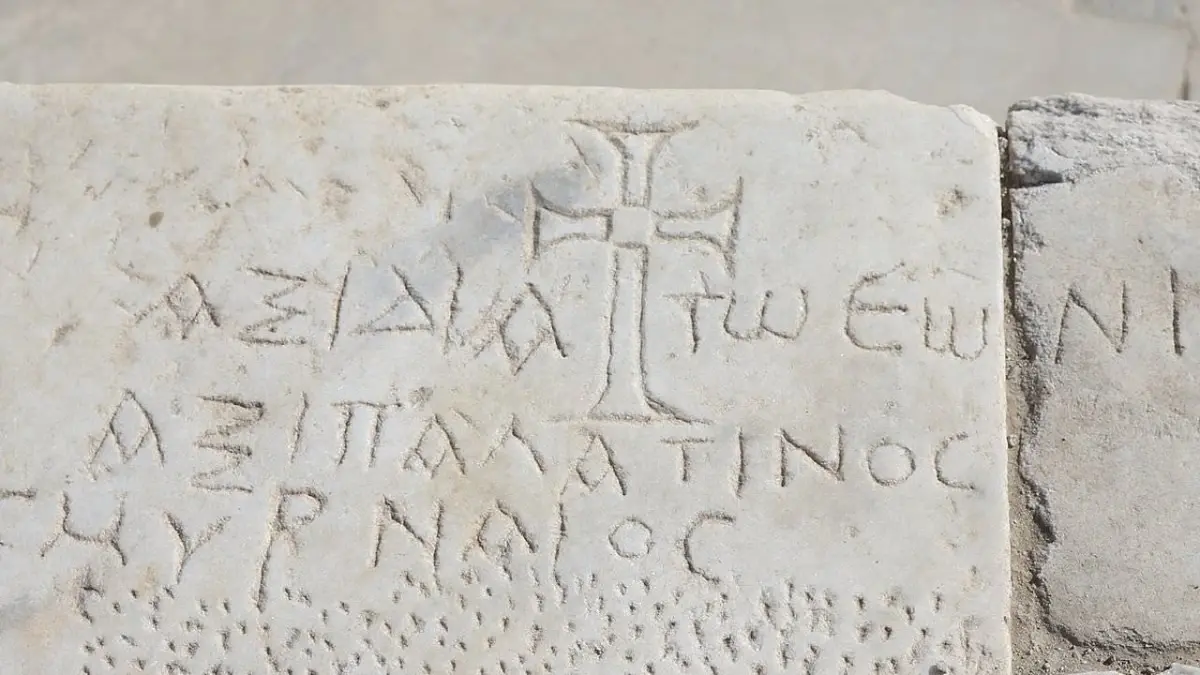
In southwestern Turkey, in the province of Denizli, archaeologists have stumbled upon a 2,050-year-old Roman assembly hall. Inside the building, researchers discovered Christian symbols.
The team found, among other things, a cross and an early Christian monogram known as Chi-Rho, which combines the first two letters of the Greek word for Christ. This discovery is a reminder that a community of early Christians once lived in biblical Laodicea.
The Book of Revelation, the New Testament’s final book, contains words from Christ addressed to early Christian communities. In Revelation 1:11, Jesus instructs John: “What you see, write in a book and send it to the seven churches: to Ephesus, Smyrna, Pergamum, Thyatira, Sardis, Philadelphia, and Laodicea.”
Another passage from the Letter to the Colossians says that Laodicea was a center of early Christianity, likely founded by Epaphras, a disciple of the Apostle Paul.
What is known about the discovery?
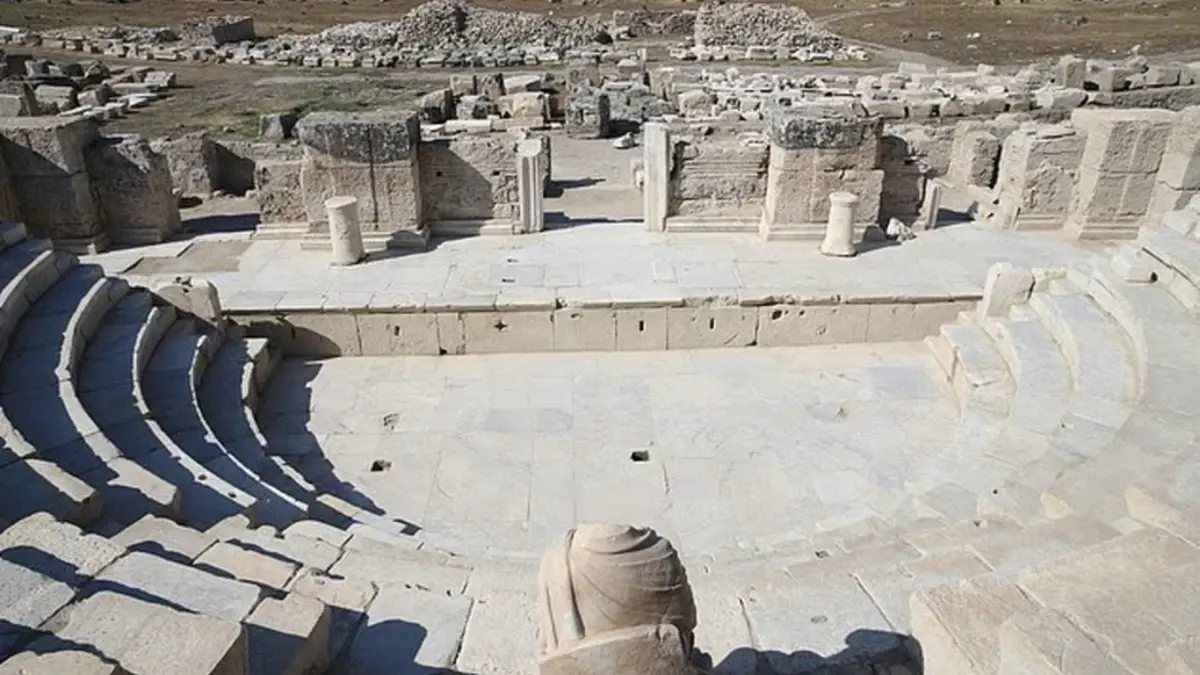
The hall, also known as a bouleuterion, served as a center for political and judicial gatherings. It could accommodate around 800 people, according to the Daily Mail.
Because the symbols were found carved into a building dated to 50 B.C., researchers believe Christians may have added them later, possibly centuries after the hall was constructed.
On the seats, archaeologists found inscriptions with the names of council members, leaders, elders, youths, and ordinary citizens. The Romans used these inscriptions to mark seats for representatives of the different groups that made up the city’s governing body.
Next to the ruins of the ancient Roman hall, researchers also uncovered a headless statue of Emperor Trajan.
Rome expanded its territory into western Turkey, including Laodicea, after defeating the Seleucid Empire in the 2nd century B.C. Roman Emperor Trajan, who ruled from 98 to 117 A.D., later pushed the empire’s borders further into Asia Minor, where the seven churches mentioned in the Book of Revelation were located.
The discovery of Christian symbols in an administrative building may indicate that Christianity was gradually gaining influence in the city despite persecution from Roman authorities.
