
 Carlos Solis
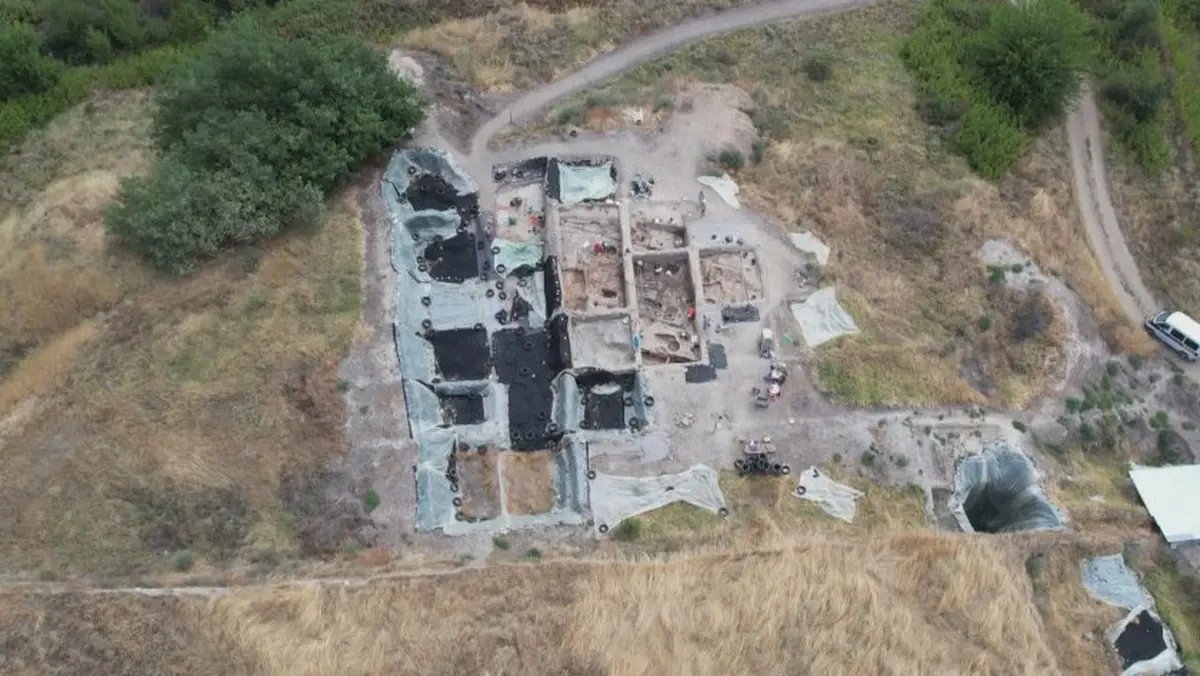 Researchers have uncovered traces of what may be the oldest winemaking operation in Europe at a prehistoric settlement near Pazardzhik, known as the “City of Birds” (Yunatsi). This 7,000-year-old find included more than 3,000 charred grape seeds and fragments of ceramic vessels.
The Yunatsi settlement has long been regarded as one of Bulgaria’s most significant prehistoric sites. The new discovery shows that its ancient inhabitants were not only skilled metallurgists, potters, and traders but also among the first Europeans to practice viticulture.
A Window into Europe’s Earliest Viticulture
The grape seeds were found in a house dating to the Eneolithic period (Copper-Stone Age). The dwelling was destroyed by fire in the 5th millennium B.C. Associate Professor Kamen Boyadzhiev from the National Archaeological Institute in Sofia said the grape seeds, vessel fragments, and botanical analysis of the artifacts indicate that fermentation took place here.

In an interview with Bulgarian National Television (BNT), Kamen Boyadzhiev stated: “We found a significant number of charred botanical remains – wheat, barley, lentils, chickpeas. We also have evidence of the gathering of wild fruits such as pears and cornelian cherries. In one house, we found over 3,000 grape seeds located next to two broken vessels. Together with my botanical colleagues, we conducted an analysis that confirmed the production of a grape-based beverage, most likely wine. This is one of the earliest pieces of evidence for winemaking in the Balkans.”
The researcher added that wine was likely poured and consumed from elegant, graphite-painted vessels—works of applied art made by skilled ceramicists.
Until recently, the oldest reliably dated evidence of wine production in the Old World came from the South Caucasus. Excavations on the slopes of the Gadachrili Gora and Shulaveri hills in Georgia uncovered clay jars with wine residues dating to around 6000 B.C. In the Armenian cave of Areni-1, archaeologists discovered a wine press dated to about 6,100 years ago. The discovery in Bulgaria now places the Balkans within the network of the earliest winemaking.
The “City of Birds” – a Highly Developed Civilization
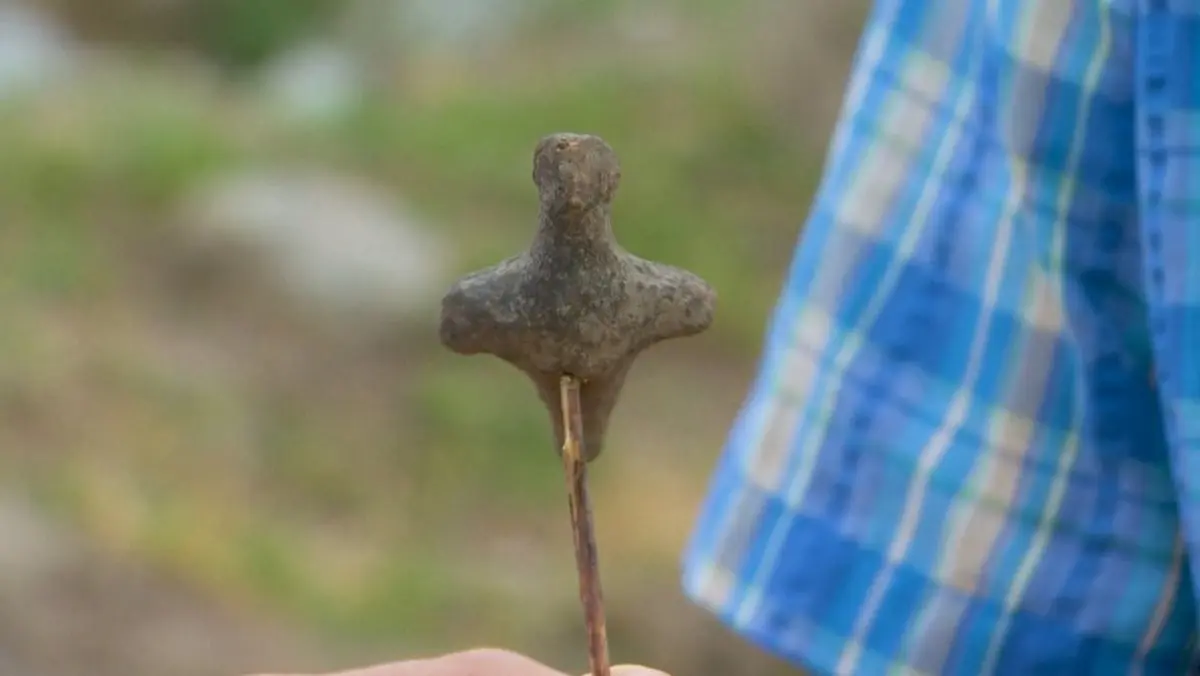
The burial settlement of Yunatsi is called the “City of Birds” because researchers previously found hundreds of clay bird figurines there. This was a highly developed society that thrived between three mountain ranges and two rivers. Excavations show that the inhabitants of Yunatsi were skilled artisans who produced exquisite pottery with graphite painting, gold jewelry, and copper tools. They maintained long-distance trade connections, importing salt from Provadia, flint from northeastern Bulgaria, and shells from the Aegean Sea.
Houses measuring between 60 and 100 square meters were not only spacious but also richly decorated, as reported by Arkeonews. Archaeologists observed fragments of plastered walls painted with red and white patterns that may have had protective or ritual significance.
Researchers discovered more than 40 carefully selected sheep bones. Scientists believe the bones were used in games or rituals. The settlement also yielded clay figurines associated with the cult of the Mother Goddess.
The Eneolithic culture flourished in Yunatsi for many centuries before steppe nomads destroyed the settlement at the end of the 5th millennium B.C.
Despite that destruction, the ancient inhabitants of the “City of Birds” left an enduring legacy: exquisite pottery, intricate gold jewelry, and early evidence of winemaking in Europe.
Why Is This Discovery Important?
Wine has always been more than just a beverage. It serves as a cultural marker tied to trade, ritual, and identity. The discovery near Pazardzhik firmly places Bulgaria on the map of early viticulture.
For modern Bulgaria, renowned for its winemaking industry, this is not just an archaeological find but a powerful narrative that connects contemporary winemaking traditions to the deep roots of European civilization.
