
 Gaby
GabyNew technology tends to make people anxious. Researchers have started asking why we picture robots — not computers — when we imagine who might take over the world.
Work phobia has always existed.
Dr. Andreas Sebulla, an associate professor at the Future of Work Institute at Flinders University, says that when computers first appeared, many people feared the technology would take their jobs. Now people are thinking the same way about the latest advances in robots and artificial intelligence.
At the Cosmos Science City forum dedicated to the “work of the future,” Dr. Sebulla said human society has decided which jobs deserve attention and which are labeled “low-value,” even though some of those “low-value” positions are the hardest to transform with technology.
“The rise of machines” is a terrifying prospect for humanity and a common theme in science fiction. Over time, though, public fears have shifted. For example, while nuclear war once dominated public concern, people now worry more about climate change or AI-driven threats to humanity.
Will robotophobia disappear if everyone has robots?
Dr. Sebulla says computers have historically been seen as tools for humans, while robots have been imagined as independent agents that do things for us. AI machines were built to perform tasks for people. The next generation of robots, however, might start telling humans what to do.

Dr. Sebulla notes that public perceptions of computers changed over time. He told Cosmosmagazine that in the 1990s, when user-friendly personal computers became widely available, businesses and ordinary people began using them, and the same anxieties surfaced that we see now around robots. Computers used to be huge and rare; then they became a mass phenomenon.
If something similar happens with robots — if they end up in every home — would people worry less about machines encroaching on their jobs? Assuming the worst, what will we do when robots, artificial intelligence, or computers actually take over our work?
Collaboration with robots should be a priority.
Dr. Sebulla says people need to approach this issue from a collaborative perspective. Consultations are the answer, he argues, because technologies are not neutral. Individuals must decide how to use technology, and that choice determines how robots are deployed.
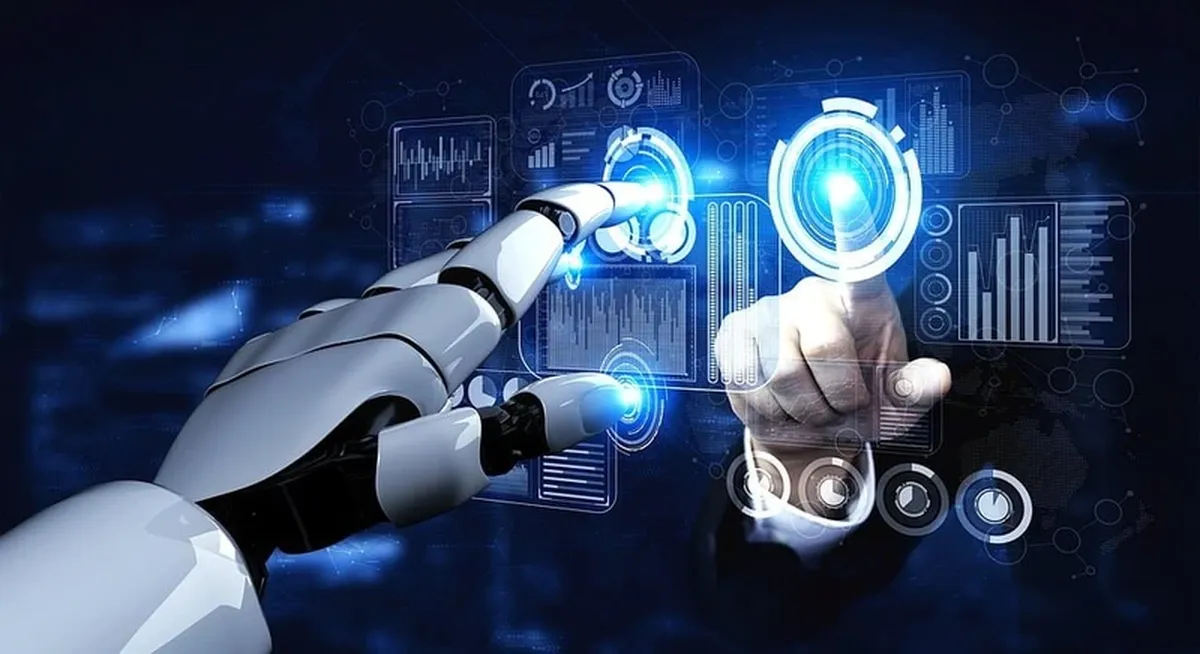
So if you run a business and want to know whether this technology will benefit employees, the only way to find out is to consult. Dr. Sebulla wants to change the stereotypical view of work — labels like low-skilled, routine, and physical labor can be misleading.
He points to the job of a barista as an example: doing it well is an art, yet the role is undervalued. Or consider an Uber driver. Engineers still struggle to make autonomous vehicles drive without accidents or getting stuck in traffic. That shows how complex driving is. Dr. Sebulla says these workers perform complicated, skilled tasks—usually very well—but society often refuses to pay them accordingly.
