
 Gaby
Gaby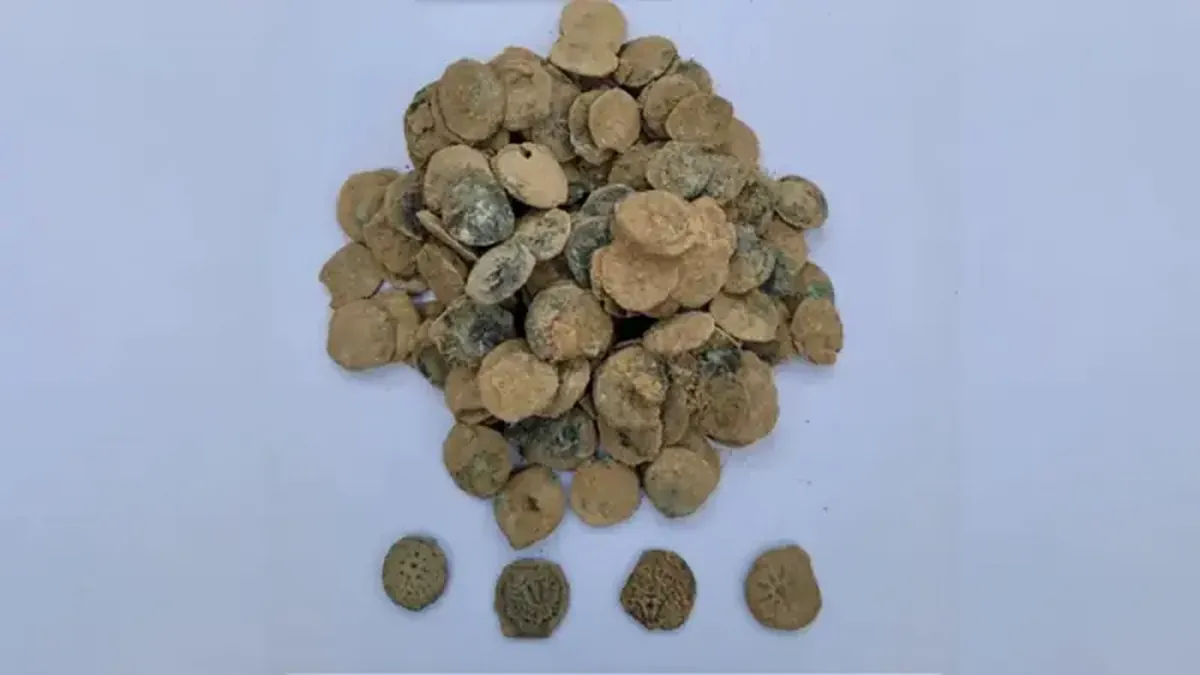
A large stash of Roman silver denarii has been found in a Tuscan forest, and researchers are offering several theories about its origin. An explorer from the Livorno archaeological group discovered the hoard during an expedition in the forest. In a clearing, the explorer stumbled on a fortune buried inside a terracotta pot.
Of the 175 coins, all but two were in good condition; the two damaged pieces can be restored. This is one of the few hoards from that period in which nearly all the coins survived intact. The oldest coins date to 157 or 156 B.C., while the newest date to 83 or 82 B.C. The hoard’s current market value is tens of thousands of dollars. It has also provided researchers with significant numismatic and historical information, CNN reports.

What the Researchers Revealed
The discovery has raised numerous questions. Whose treasure was it? From whom did the owner hide the coins? And why did the owner never return for them?
For more than a year, a team of experts measured, weighed, and cataloged the coins. They have now proposed several hypotheses about the hoard’s origins.
Archaeologist Lorella Alderighi, the lead author of the study, suggests the treasure may have belonged to a soldier returning from the civil war of 83–82 B.C. He might have planned to use the savings to build a farm.
Federico Santandrello, a professor at Newcastle University, proposes a different idea: the denarii may have belonged to a merchant who hid them to wait out hard times.
One thing is clear: the owner never returned to claim the money. He may have died before he could carry out his plans.
Lorella Alderighi says the treasure will be on display at the Museum of Natural History of the Mediterranean in Livorno from May 5 to July 2.
