The Japanese sophora is a graceful tree in the legume family, native to China. It can reach up to 33 feet tall. Its lea…
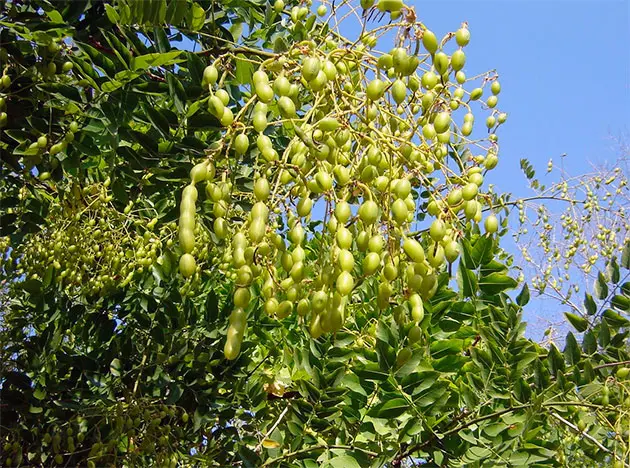
The Japanese sophora is a graceful tree in the legume family, native to China. It can reach up to 33 feet tall. Its lea…
Garlic is a humble garden plant that’s been used as a seasoning for as long as humans can remember. Its history, like that of onions, is so ancient it’s hard…
Physalis is a plant closely related to potatoes and tomatoes and belongs to the nightshade family. Ripe fruits have medicinal properties and have been used as a diuretic for kidney…
On the trunks of larches, aspens, oaks, and birches, we often encounter unusual mushrooms. Some resemble steps, while others look like strange hooves (hence one of their folk names, “devil’s…
Few plants were as renowned in antiquity or as popular in the Middle Ages as rosemary. The Romans dedicated it to the goddess Venus and used it to decorate their…
The blue cornflower is widespread across much of the former Soviet Union, except in arid regions and the far north. It blooms from May to August. The first mention of…
Almost every other patient who visits a doctor asks to avoid ‘chemotherapy’ and instead wants advice on herbal remedies. And it’s a good thing if they actually follow their doctor’s…
In many home gardens you can find rue. Wild rue grows in Crimea and the southwestern regions of Ukraine, while in the east it’s less common and mostly cultivated. There…
You’ve probably experienced the delightful scents of freshly cut grass and hay. There’s nothing quite like the fragrance of blooming meadows. That scent often comes from a common plant called…
The wild ancestor of the cultivated rose grows across the country, from the European part to the Urals, Siberia, and the Far East. This thorny bush thrives in sunny spots…
Unfortunately, not all mushrooms are beneficial. Of the nearly 100,000 known species, medical mycology identifies about 200 that can cause dangerous, hard-to-treat diseases in humans. Some of these fungi are…

