
 Gaby
Gaby
Turkish researchers uncovered the formula for an ancient Mesopotamian perfume during excavations in Ashur, the capital of ancient Assyria in modern-day Iraq. In the second millennium BCE, the area where the tablets were found was part of ancient Mesopotamia.
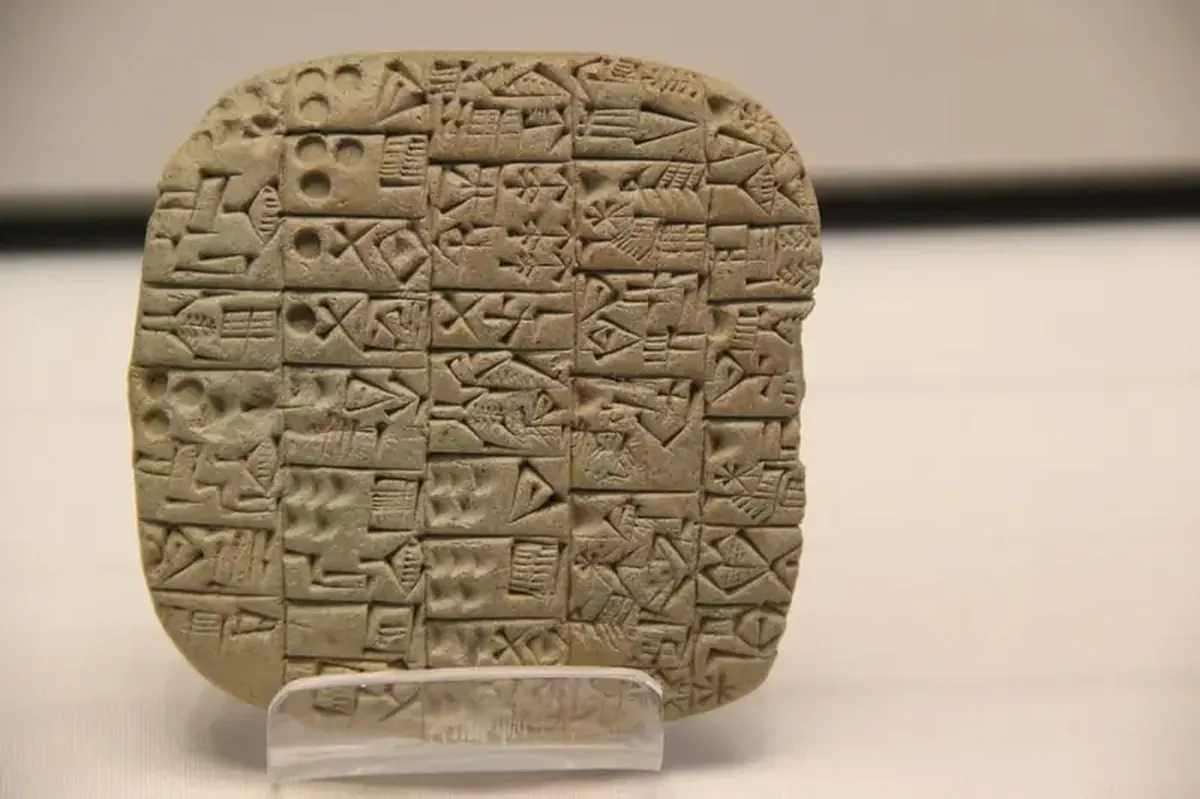
The formula, inscribed on clay tablets, was left about 3,200 years ago by a renowned female perfumer named Tapputi-Belatekallim. Belatekallim translates to “woman, keeper of the house.” Tapputi is the name associated with high-quality Mesopotamian fragrances. Scholars consider Tapputi-Belatekallim to be Mesopotamia’s first female chemist and the world’s earliest known female perfumer.
What Researchers Discovered
A team working with the Turkish Academy of Scents and the Aroma Culture Association recreated the perfume in Diyarbakır, Turkey, aiming to follow the tablet techniques as closely as possible. At the same time, the specialists conducted extensive research into the Mesopotamian perfume-making methods of Tapputi, as reported by Greek Reporter.
Initially, the researchers set out to understand how ancient perfumes were made before trying to revive the exact scent that Tapputi-Belatekallim crafted.
The inscriptions say Tapputi used various oils, calamus, cyperus, myrrh, horseradish, spices, and balsam. She mixed the ingredients with water and other solvents, distilled them, and filtered the liquid multiple times. The perfumer worked only during the full moon.
The translation of the inscriptions filled 27 pages. Archaeologist Senker Atila said the team ran into challenges while interpreting the formula.
One problem was that the tablets were broken, and some crucial parts of the inscriptions are permanently lost.
Another challenge was that some ingredient names, colors, and vessel types used 3,200 years ago don’t have exact equivalents in modern languages. For example, researchers are still unsure what “chirsu” refers to. So while the team largely met its goal, study of the tablet contents continues.
Scientists say Mesopotamia’s fertile lands made a wide range of plants available, which helped produce a rich culture of scents.
