
 Carlos Solis
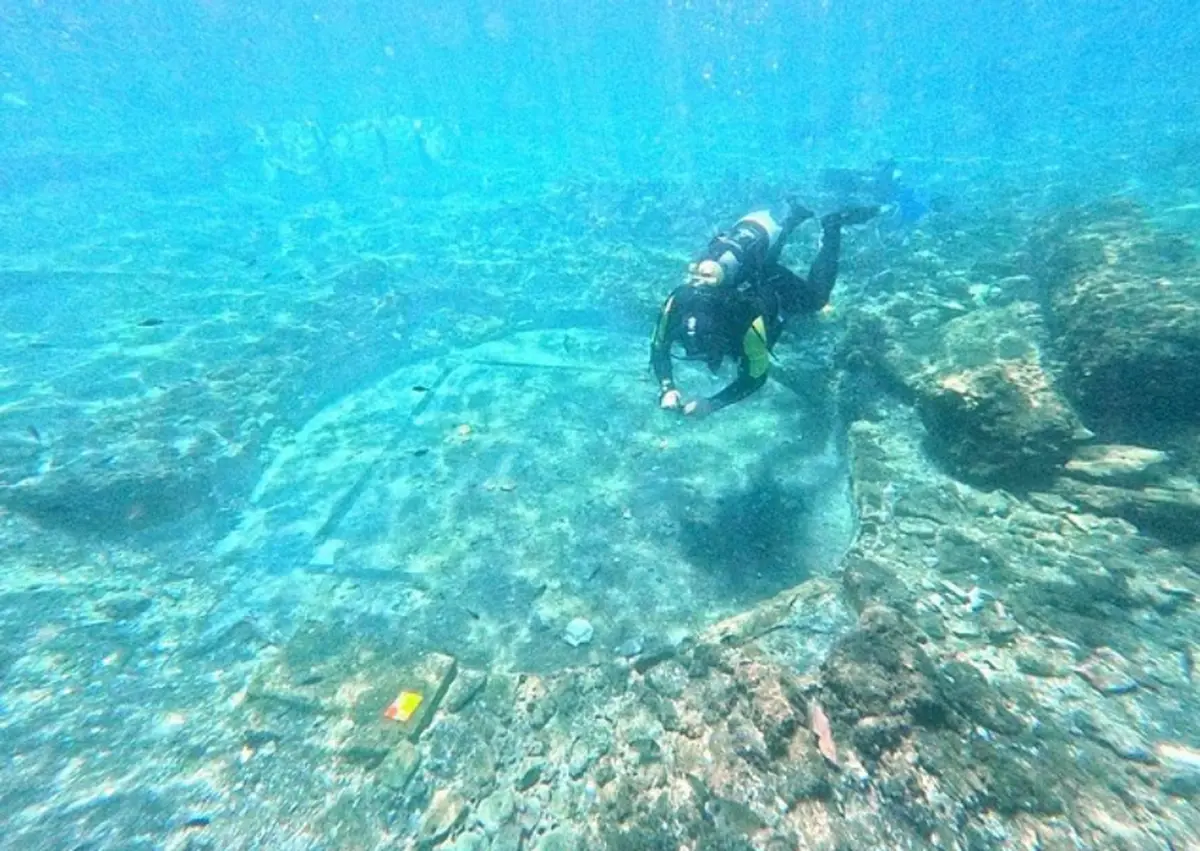 A team from the Archaeological Park of the Phlegraean Fields has discovered a bathhouse they believe belonged to Cicero three meters below the Bay of Naples. In ancient Roman times, this area was home to the harbor of Portus Julius.
According to ancient sources, around the 4th century AD, Cicero’s villa (106–43 BC) slipped into the sea along with part of the city of Baiae. This occurred due to tectonic shifts known as bradyseism.
What Did the Archaeologists Find?
Scientists from the Archaeological Park of the Phlegraean Fields announced on social media: “We are currently investigating the hypothesis that we are looking at the baths of Cicero’s villa.”
They explained that the mosaic floor in the center of the bath was part of a heating system that transformed the space into a sauna, or laconicum. The team found a network of pipes and columns that distributed hot air evenly throughout the bath. The system is remarkably well preserved after centuries underwater.
The bathhouse is connected to a vast network of rooms, pools, and service corridors, as reported by Daily Mail.

The City of Sin
Baiae, located roughly 200 kilometers south of Naples, was once a paradise resort. The wealthiest and most influential citizens of the empire flocked here to escape the summer heat. The name Baiae became synonymous with luxury, prestige, and vice.
Baiae was mentioned in written sources as a popular resort as early as the 2nd century BC. The city thrived thanks to its mineral springs, mild climate, and fertile lands. It was a favorite getaway for the Roman elite—emperors Nero, Caligula, Claudius, and Julius Caesar among them. Cleopatra is also reported to have visited.

The poet Livy praised its healing waters. By the 1st century BC, Baiae had become a recognized center of pleasure and sin, where affluent vacationers engaged in affairs and hosted lavish parties without end.
Eventually, part of the city, with its palaces, temples, sculptures, and fountains, ended up underwater. Today, it is an archaeological park that attracts visitors from around the globe. Researchers have been excavating here since the 1940s.
This fall, the Archaeological Park of the Phlegraean Fields plans to begin restoration work on the bath complex, including the mosaic floor and fragments of frescoes.
