
 Gaby
Gaby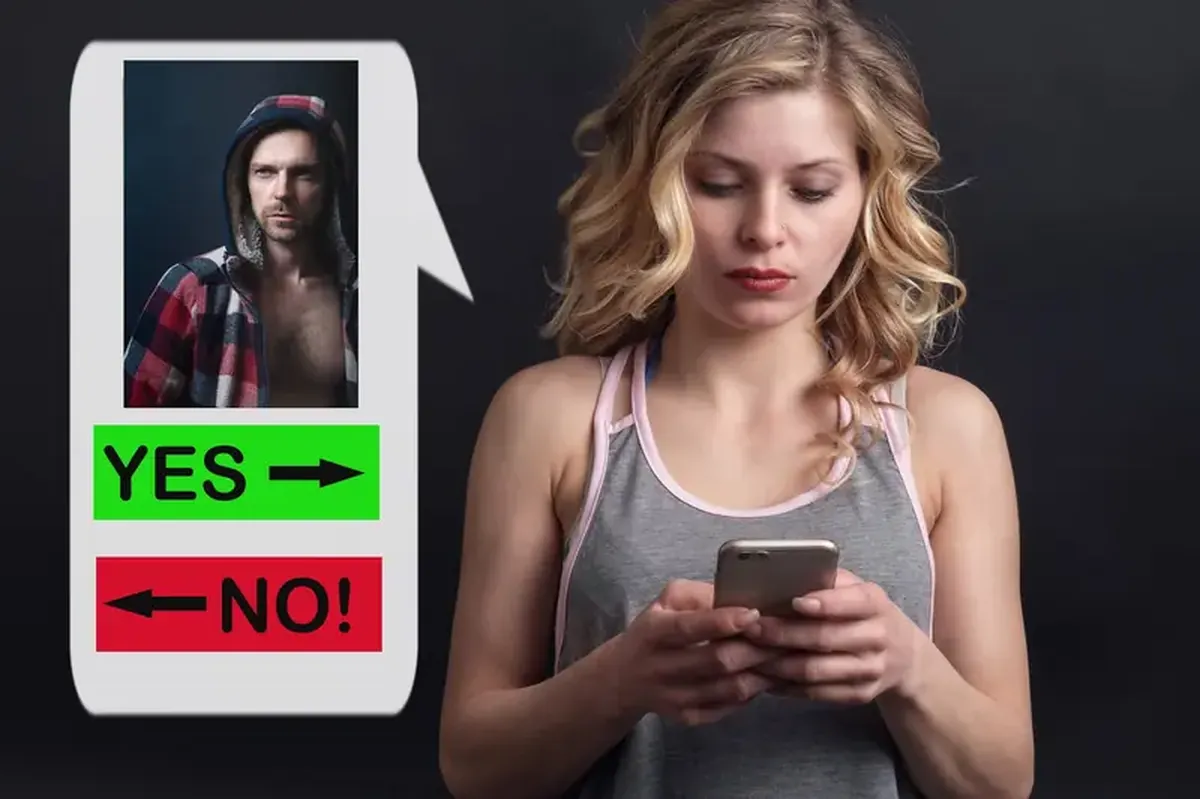
Millions of people around the world credit dating apps with helping them find love. But critics and longtime users are increasingly worried about a growing crisis on these platforms. As some apps feel more like ghost towns, people say they’ve dehumanized romance. Users also complain these platforms trigger anxiety and paranoia about being ignored.
So what do relationship experts make of this?
Background: The world’s first computer dating service, Match, was created in 1965 by a team from Harvard University. For $3, users answered a questionnaire and received a list of compatible matches. Online dating sites began to emerge in the 1990s. By the early 2000s, wider video hosting made it possible to share dating videos and even marriage announcements. The most well-known dating platform is Tinder, which boasts over 50 million registered users.
Annie Lord, author of “Notes on a Broken Heart,” says dating apps offer a slew of options, but this “illusion of endless choice actually undermines the accountability” of potential partners. People in profiles aren’t part of your social circle, which makes it easier for them to vanish.
As Independent columnist Eloise Handy points out, these apps once transformed dating into something that could be managed with a single click. Since then, much has been written about the revolution they sparked in dating culture. It’s easy to forget that this culture is also a business. Site owners need users to keep coming back and generate profit.
Recent studies suggest dating apps can foster addictive behavior. Just two years after Tinder’s launch, its founders reported that the average user logged in 11 times a day. Cultural anthropologist Natasha Dow Schüll, who studies gaming addiction, compared the design of dating apps to slot machines. She says they encourage endless scrolling and frequent dopamine hits.
While major sites present themselves as helping people find love, many users say the apps make them feel mechanical or dehumanized.
After spending a lot of time on these apps, many people face a sobering reality: the apps don’t lead to love for most users. Psychologists say this can make users feel insecure, withdrawn, and emotionally vulnerable.

Sociologist Alicia Denby, who studies modern dating, interviewed 18-to-25-year-olds who use these apps. She found that young people who had been ignored or humiliated were reluctant to show emotional vulnerability, seeing it as a weakness. Denby calls this an “emotional deadlock” — a metaphorical standoff where each person waits for the other to open up and confess feelings. “Emotions become a currency, and the ‘winner’ is the one who invests the least and becomes the least emotionally attached,” Denby says.
The study of the “emotional deadlock” in dating largely draws on the work of sociologist Eva Illouz. Illouz argues that under capitalism, intimate relationships are increasingly governed by economic models of trade and exchange, and start to feel like work — emotional interaction becomes a form of labor.
“Often, we feel we don’t have time to deal with people’s emotions and support them,” writes Annie Lord. That mindset encourages avoiding strong attachments and valuing control and emotional distance over the commitment needed for close relationships. The result is the same “emotional deadlock,” where others are treated like vampires draining our limited emotional resources. Lord suggests a healthier approach: “When you have time for them, they will have time for you — and it will be mutually beneficial and wonderful.”
