
 Gaby
GabyChinese evolutionary biologist Huang Shi suggested that human evolution began in East Asia, pointing to fossils there that predate comparable finds in Africa.
His theory centers on the concept of maximum genetic diversity (MGD). The idea holds that more complex species tend to have lower genetic diversity. And because East Asian populations show the least genetic diversity, he argues they are the most likely ancestors of modern humans.
Dr. Shi also claims that ancient Europeans were genetically closer to East Asians in both paternal and maternal lineages. By this logic, archaeological populations that show the greatest genetic similarity to one another and to the broader modern human population are the best candidates for the origin of our species.
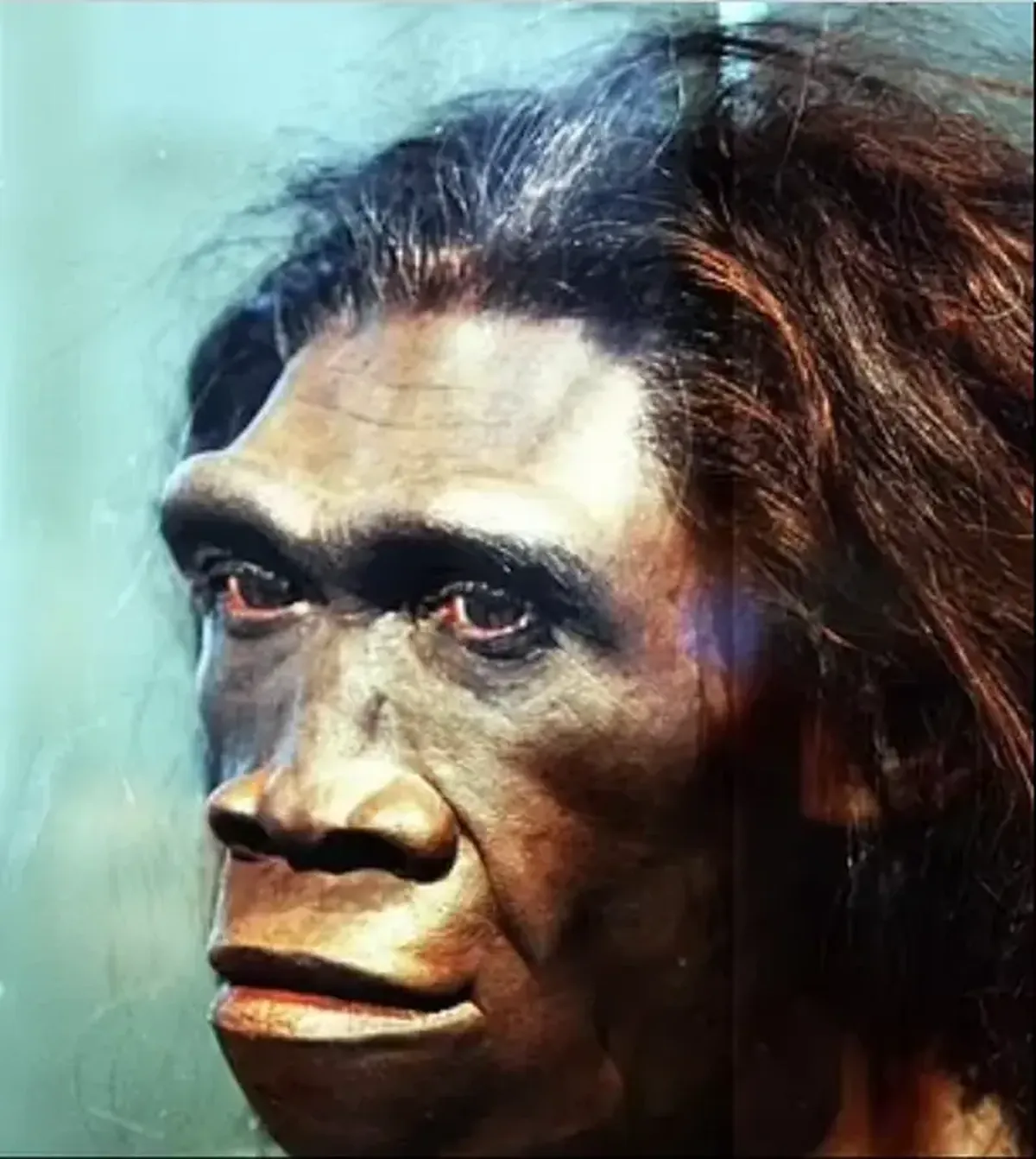
Facial reconstruction based on the skull of an ancient human found in China.
What else did the scientist report?
Dr. Shi, who was a professor at the Medical Genetics Center of Central South University in Hunan before retiring, faced years of rejection for his theory. He first presented it at an international scientific conference in 2016. After the journal Prehistoric Archaeology published his article, his colleagues began questioning the hypothesis less often.
Dr. Shi noted that if the African-origin model were correct, then 45,000-year-old European DNA samples should resemble ancient African DNA more closely.
“Ancient DNA of the earliest humans found in Europe showed greater similarity to Asians than to Africans,” Dr. Shi emphasized.
He argues that complex organisms like humans need many parts of their DNA to function together, so random mutations have fewer chances to persist.
Anthropologist Herman Dzibel at Stanford University called the MGD hypothesis “innovative yet controversial.” He said the concept has potential and requires further development.
Dr. Shi also pointed to evidence from other fields — including linguistics and kinship anthropology — that he believes supports his theory. For example, consider the analysis of the remarkably complete “Dali skull,” discovered in 1978 in Dali County, Shaanxi province.

This skull, dated to about 260,000 years ago, was thoroughly studied by experts from Texas A&M University and the Chinese Academy of Sciences in 2017.
Researchers concluded that the skull shares many traits with modern humans, the Daily Mail reported. Scientists found that the Dali skull is very similar to fossils once considered the earliest known Homo sapiens, discovered in Morocco.
Rather than taking sides on African versus East Asian origins, these researchers looked for a compromise.
“I believe that the flow of genes could have been multidirectional, so some traits observed in Europe or Africa may have originated in Asia,” said Sheila Atreya, a professor of anthropology at Texas A&M University, in an interview with New Scientist.
“Supporters of the African origin theory are essentially silent now, as they have made no progress in the last ten years,” Dr. Shi said.
