
 Gaby
Gaby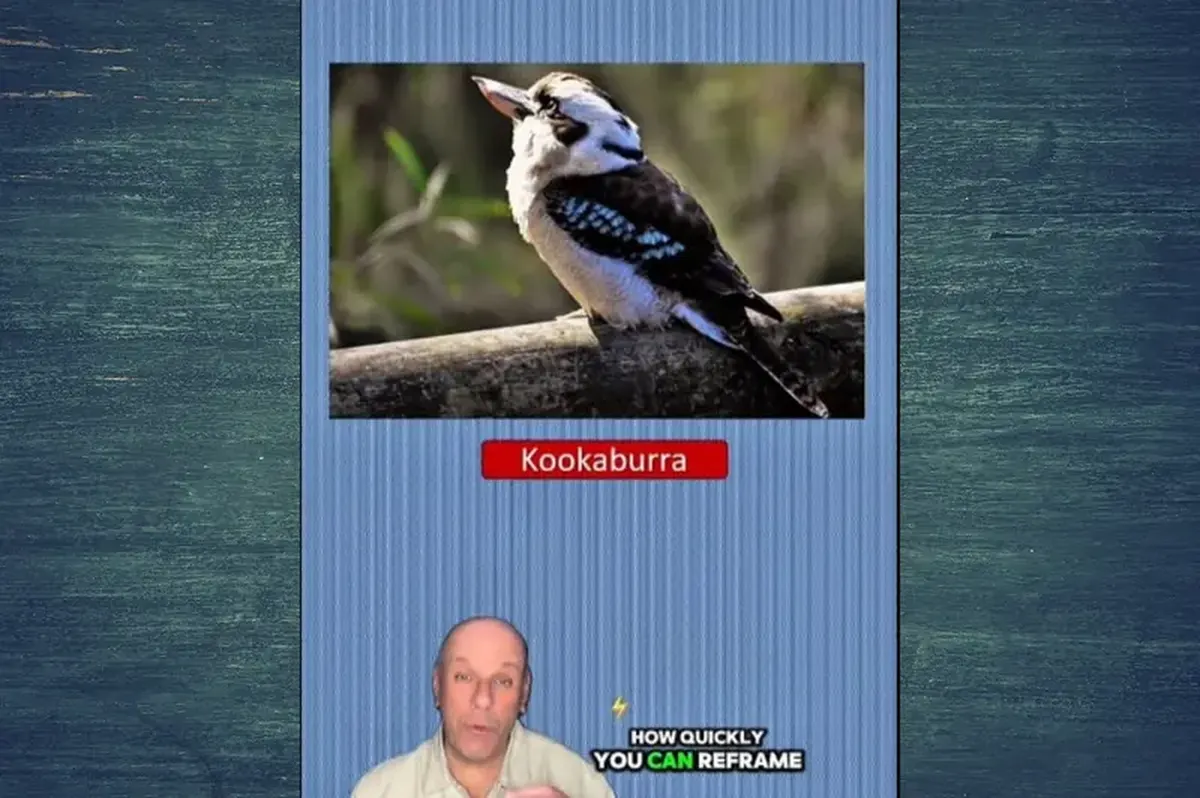
Dr. Jackson has always been fascinated by how our brains work, how easily they can be tricked, and how quickly they find the right solutions. Recently, the biologist and BBC presenter shared another optical puzzle online.
First, Dr. Jackson showed a photograph of the Australian bird known as the kookaburra, often referred to as the laughing bird. In the picture, it appears quite lonely. But that’s just at first glance.
“In this photograph, besides the kookaburra, a second creature is hidden. Can you find it?” Dr. Jackson asked. Perhaps some readers of HouseWife will spot it very quickly. So, let’s take a closer look.
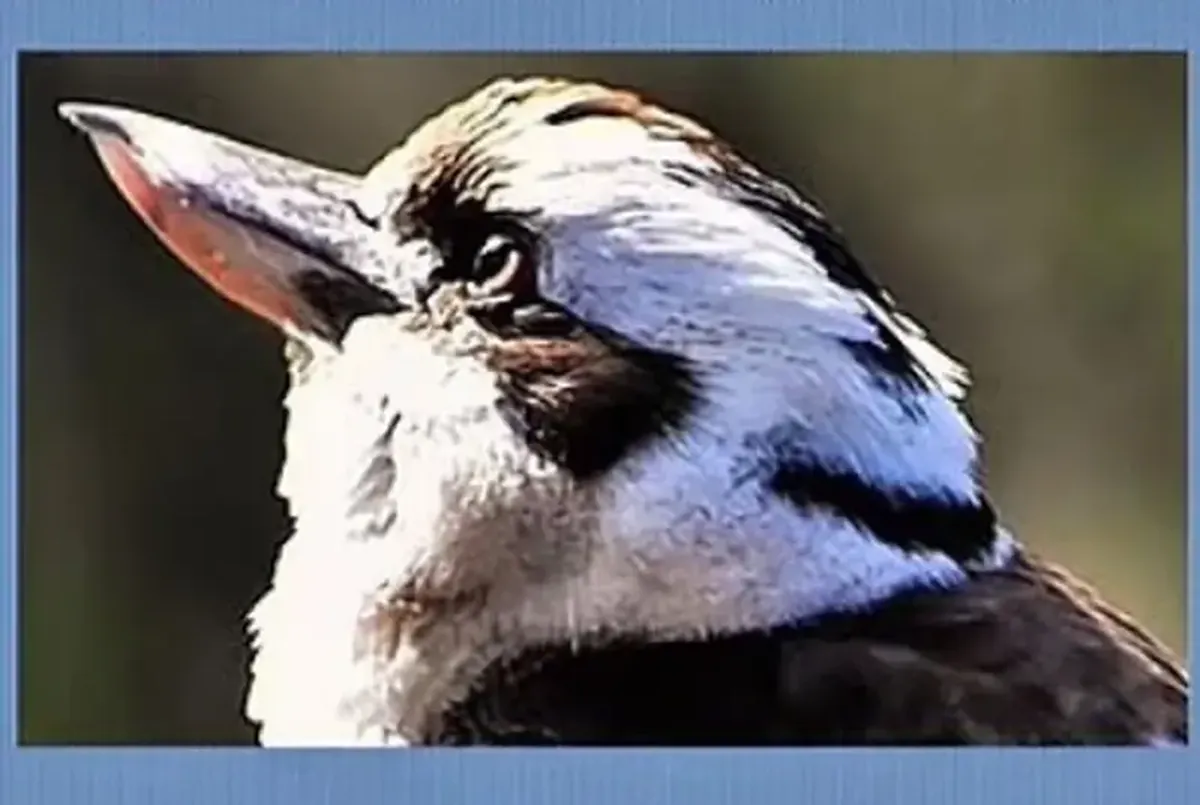
For those who couldn’t solve the riddle, the biologist posted a second image: the same one, but with a small hint — a tuft of grass on the bird’s back.
According to him, the second creature is significantly larger than the kookaburra. It cannot fly. Now, it’s time to take another look at the picture.
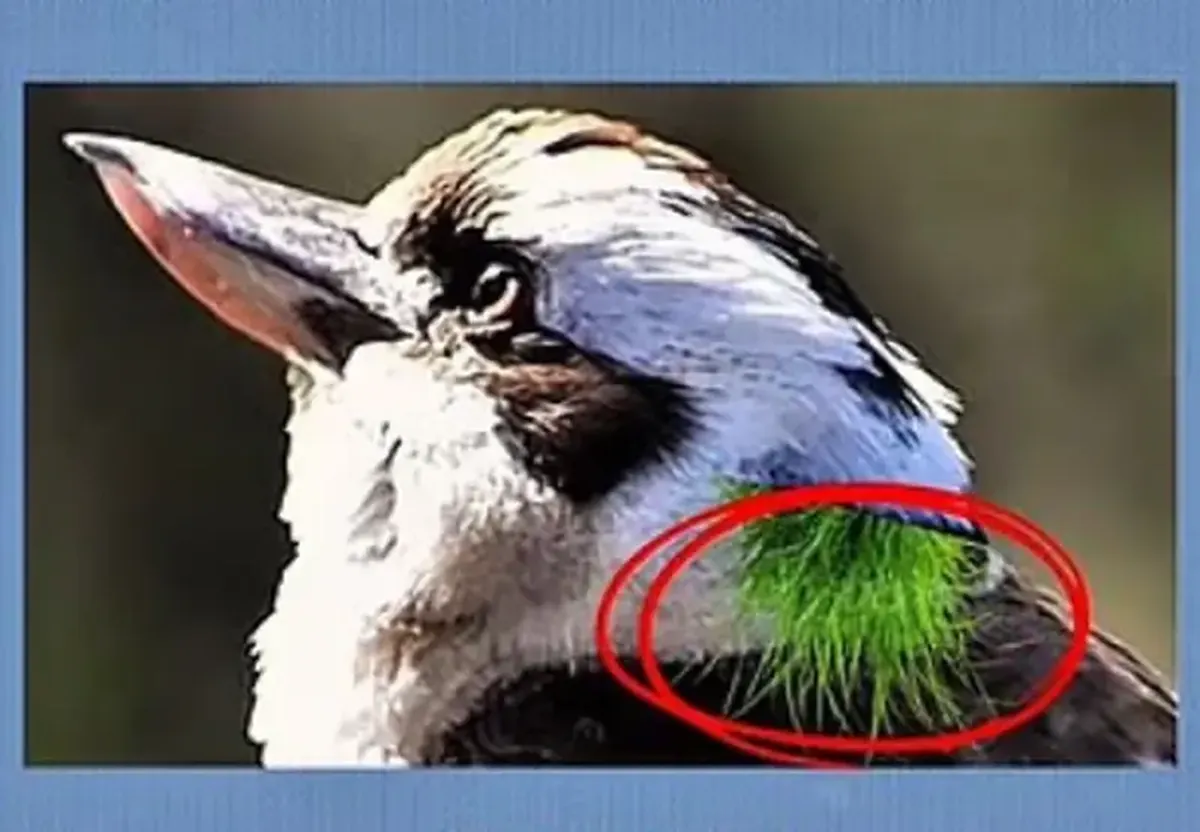
Ultimately, Dr. Jackson said the image shows the head of a goat munching that grass. The bird’s beak suddenly reads like a goat’s ear, while the bird’s eye remains in place.
Subscribers eagerly shared their impressions of the optical illusion. Some were lucky enough to find the answer in just 10 seconds. Others only spotted the second animal after they noticed the grass. And some didn’t see anyone in the picture besides the kookaburra.
According to the puzzle’s creator, this illusion works because our brains are wired to recognize patterns in the world around us.
Susan Wardle, a psychologist at the Brain and Cognition Laboratory at the National Institutes of Health in the U.S., told the Daily Mail: “The human eye perceives noisy, dynamic light patterns, and the human brain interprets them into meaningful visual perceptions of objects and scenes. Usually, our brains do this correctly, but sometimes mistakes occur. Scientists refer to this phenomenon as pareidolia.”
Pareidolia is an optical illusion: seeing an image where there actually isn’t one, says Ms. Wardle. The most common example is seeing a face on the moon at night. And who hasn’t delighted in spotting a dragon breathing fire in a cloud or a familiar face in dried coffee grounds?
Scientists say this trait may have given humans a survival advantage in our evolutionary past by helping us recognize friends or potential threats.
