
 Gaby
Gaby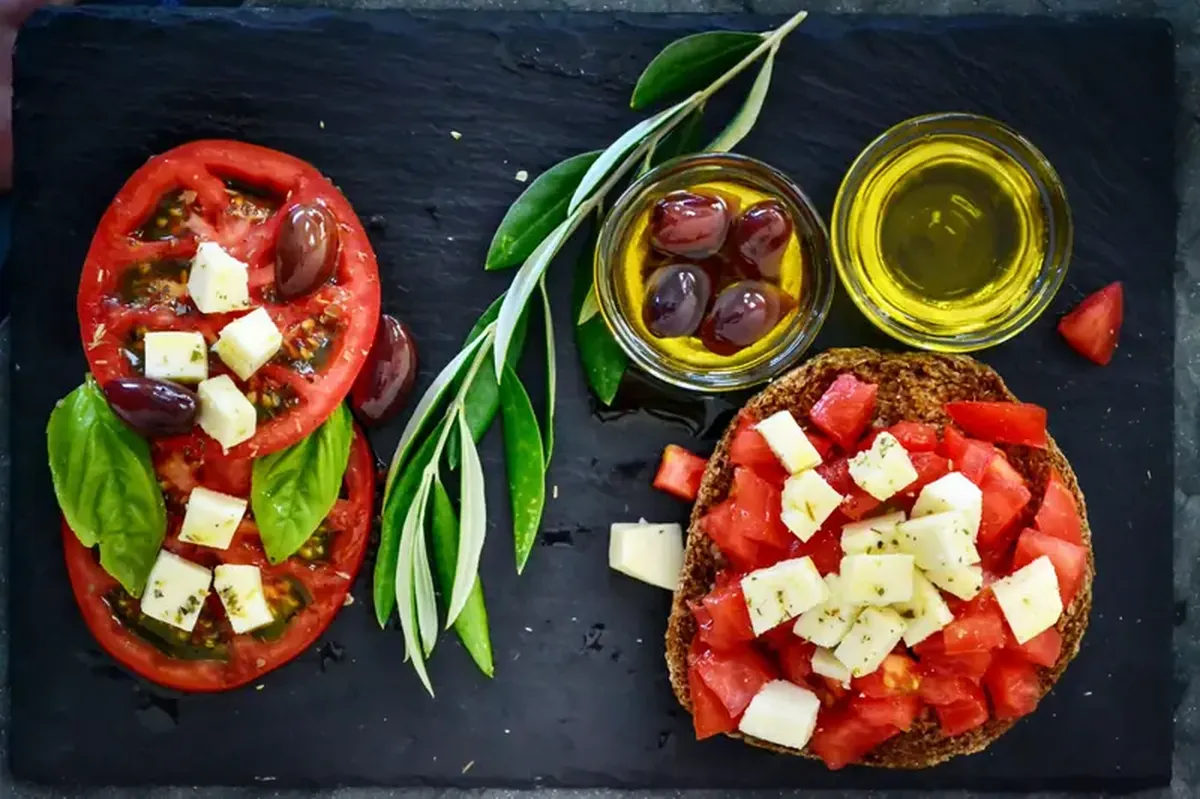
A new study from Rush University Medical Center in Chicago found that the Mediterranean diet helps preserve brain health and may reduce the risk of dementia and memory loss.
Researchers examined brain tissue from people who followed the Mediterranean diet and found fewer classic signs of Alzheimer’s disease—specifically amyloid plaques and neurofibrillary tangles.
People who closely followed the diet had a 40% lower chance of accumulating the levels of plaques and tangles typically used to diagnose Alzheimer’s.
Food That Fuels Brain Function
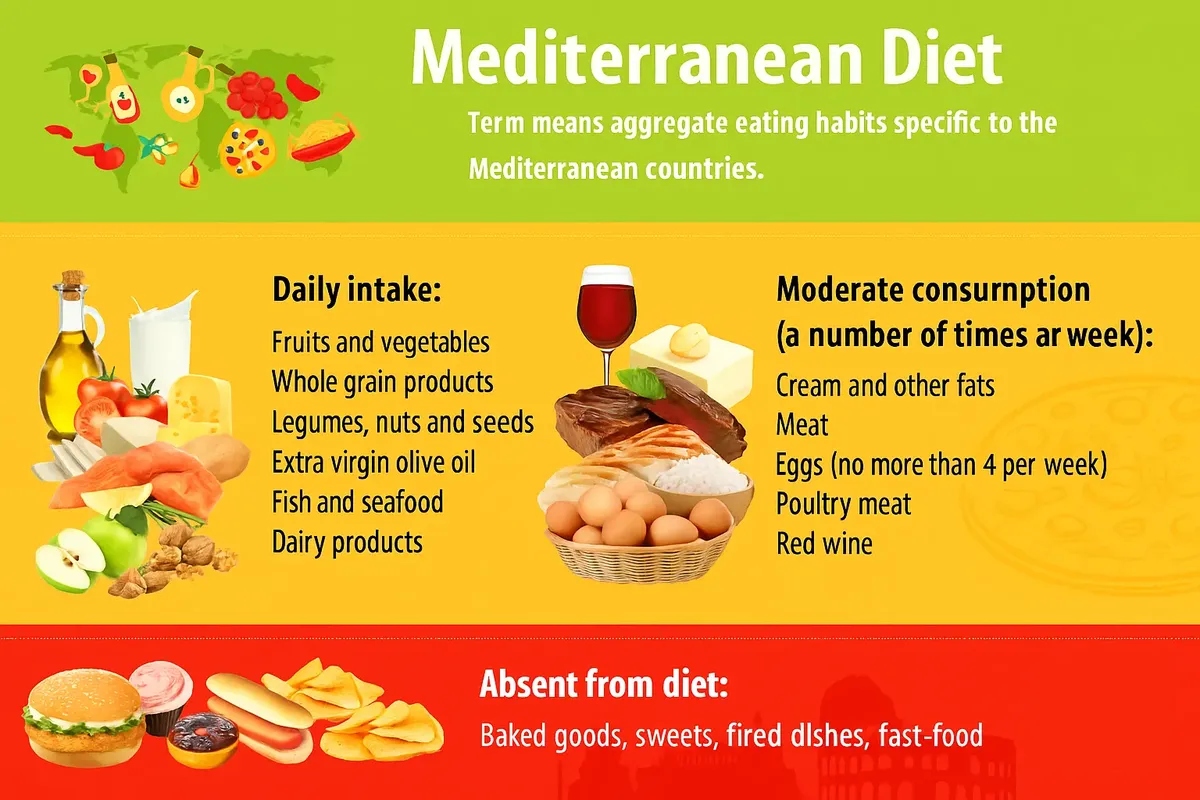
The term “Mediterranean diet” became popular in the 1950s to describe the eating habits of people living in countries around the Mediterranean. This eating pattern emphasizes mostly plant-based foods. Meals are built around fruits, vegetables, whole grains, legumes, seeds, and a modest amount of nuts. Extra-virgin olive oil is the primary fat; butter and other fats are used sparingly, and sweets and baked goods are limited.
Fish—especially fatty fish rich in omega-3 fatty acids—is a key part of the Mediterranean diet. These unsaturated fats support brain health.
Meat is included but eaten infrequently; meals more often feature eggs, poultry, and modest amounts of dairy, according to CNN.
New Evidence Supporting the Mediterranean Diet
Previous research has linked the Mediterranean diet to multiple health benefits: better heart and vascular health, improved diabetes control, preserved bone mass, and weight loss.
A recent seven-year study examined the brain tissue of more than 580 volunteers who donated their bodies to science. Researchers gathered information about the volunteers’ dietary habits and found striking results. The brains of participants who favored the Mediterranean diet appeared, on average, 18 years younger than those of other volunteers. Neurofibrillary tangles and amyloid plaques, which are common in people with dementia, were also significantly less prevalent among Mediterranean diet adherents.
And that’s not all. The study found that even adding just one category of Mediterranean foods to a regular diet can help slow brain aging.
Lead researcher Puja Agarwal says the biggest benefits come from leafy greens. She also emphasized the importance of berries and whole grains.
Agarwal says the bioactive compounds in leafy greens—vitamins, minerals, flavonoids, and carotenoids such as lutein—are important for brain health. One hypothesis is that lutein helps reduce oxidative stress and inflammation in the brain.
Conversely, participants who regularly ate baked goods, sweets, fried foods, and fast food had significantly more plaques and tangles in their brain tissue. So, to support long-term brain health, limit those foods.
