
 Gaby
Gaby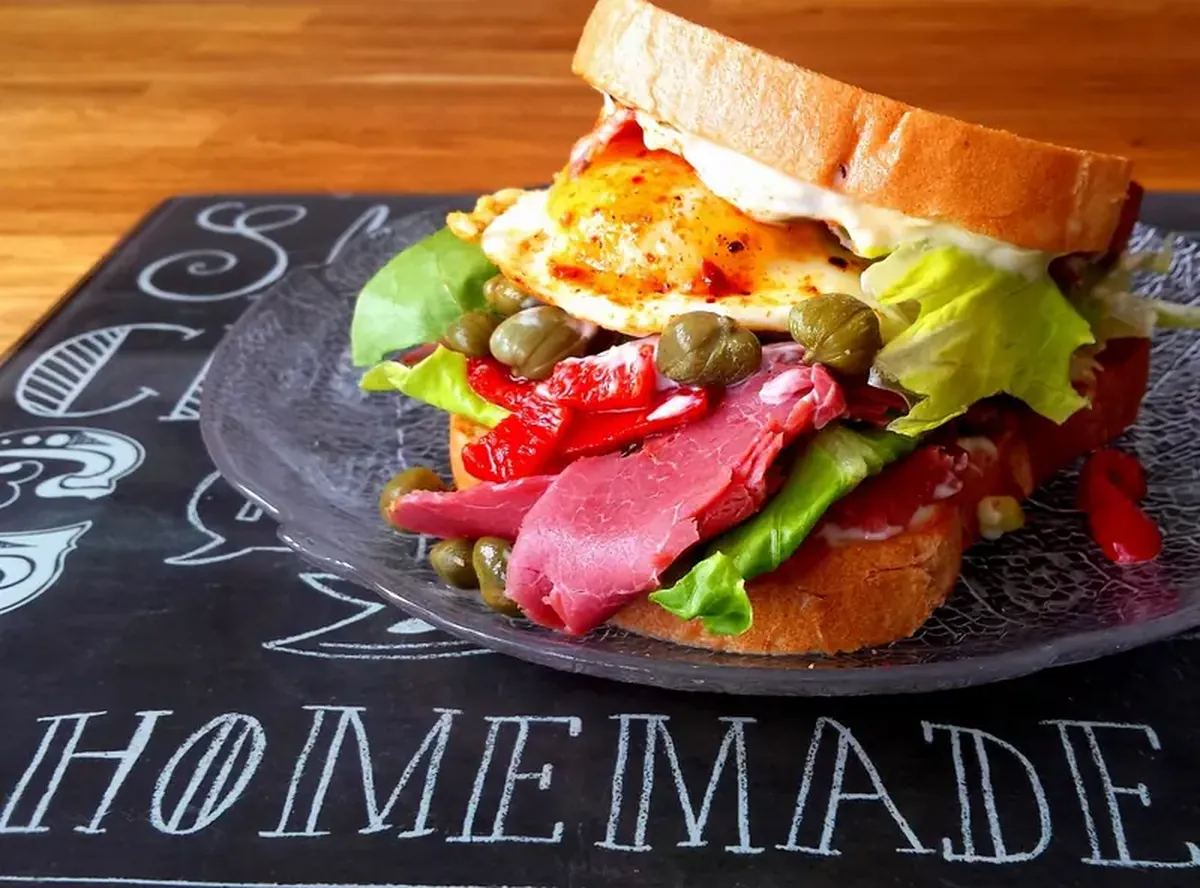
Charles Spence, a professor of experimental psychology at the University of Oxford, and his colleagues say they’ve uncovered the secret to the perfect sandwich. There aren’t many fast foods that have captured people’s hearts around the globe, but the sandwich is certainly one of them.
The invention of the sandwich is credited to the English diplomat John Montagu, the 4th Earl of Sandwich, who in 1762 introduced this snack now beloved well beyond Britain. Legend has it that during a card game the Earl didn’t want to leave the table to eat, so he requested a portion of beef placed between two slices of bread, allowing him to eat with his hands without utensils.
For more than 250 years, passionate debates have raged over the best way to prepare and enjoy the perfect sandwich. Now those debates may finally have a resolution.

Butter, dark bread, folded meat, and sun-dried tomatoes
That’s the shorthand formula proposed by Professor Charles Spence at Oxford. But the reality is more complicated.
Spence says that in the ideal sandwich, all the ingredients should be arranged symmetrically, with the wetter components placed in the center. Those include lettuce, tomatoes, pickles, or pickled onions.
“Moist fillings need to be contained in the middle to prevent the bread from getting soggy,” Spence said. Instead of building the sandwich from the bottom up, he recommends placing both slices of bread side by side and adding the fillings sequentially.
Professor Alan Mackie agrees. “Spread butter on both slices of bread, add the filling to each slice, and then bring them together,” he said.
When choosing bread, pick a loaf that won’t get soggy. Options like sourdough, whole grain, or brown bread work best.
“The main goal of the Earl of Sandwich’s invention was to keep hands clean, so using a greasy bread like focaccia is unacceptable,” Professor Spence emphasized. The slices should not be too thin, since they may fall apart, but not too thick either, because that makes them hard to eat. The ideal thickness is about 2 cm.
The fatty spread on the bread does more than add flavor. A layer of fat creates a barrier that repels moisture and helps prevent the bread from becoming soggy.
Spence says high-quality butter is the best option for that barrier. Margarine, a highly processed product, isn’t ideal. He also calls mayonnaise a “disgusting” sandwich ingredient and recommends avoiding it.
The butter should be at room temperature (20°C) so it spreads easily. Meat and cheese, which also contain fat, further help block unwanted moisture from the sandwich.
Professor Mackie recommends folding the meat in half, which creates an extra barrier against moisture. Pat lettuce, pickles, and onions thoroughly with a kitchen towel to dry them before assembling.

Tomatoes are the riskiest component because they hold a lot of water that can ruin the sandwich. It’s best to dry tomato slices in the oven or a dehydrator.
Spence places a lot of importance on lettuce. He says it may be the most crucial ingredient for crunch—the noise you hear when you bite signals freshness and tends to increase satisfaction.
A sandwich becomes more appealing when it includes as many colors as possible. “The brighter the colors, the better,” Spence told the Daily Mail. “Just think how dull a tuna-and-mayo filling looks in white bread,” he added.
Finally, Spence warns that more layers aren’t always better. A sandwich still has to be bitten into, so make sure everything in this culinary creation holds together before you try.
