
 Gaby
Gaby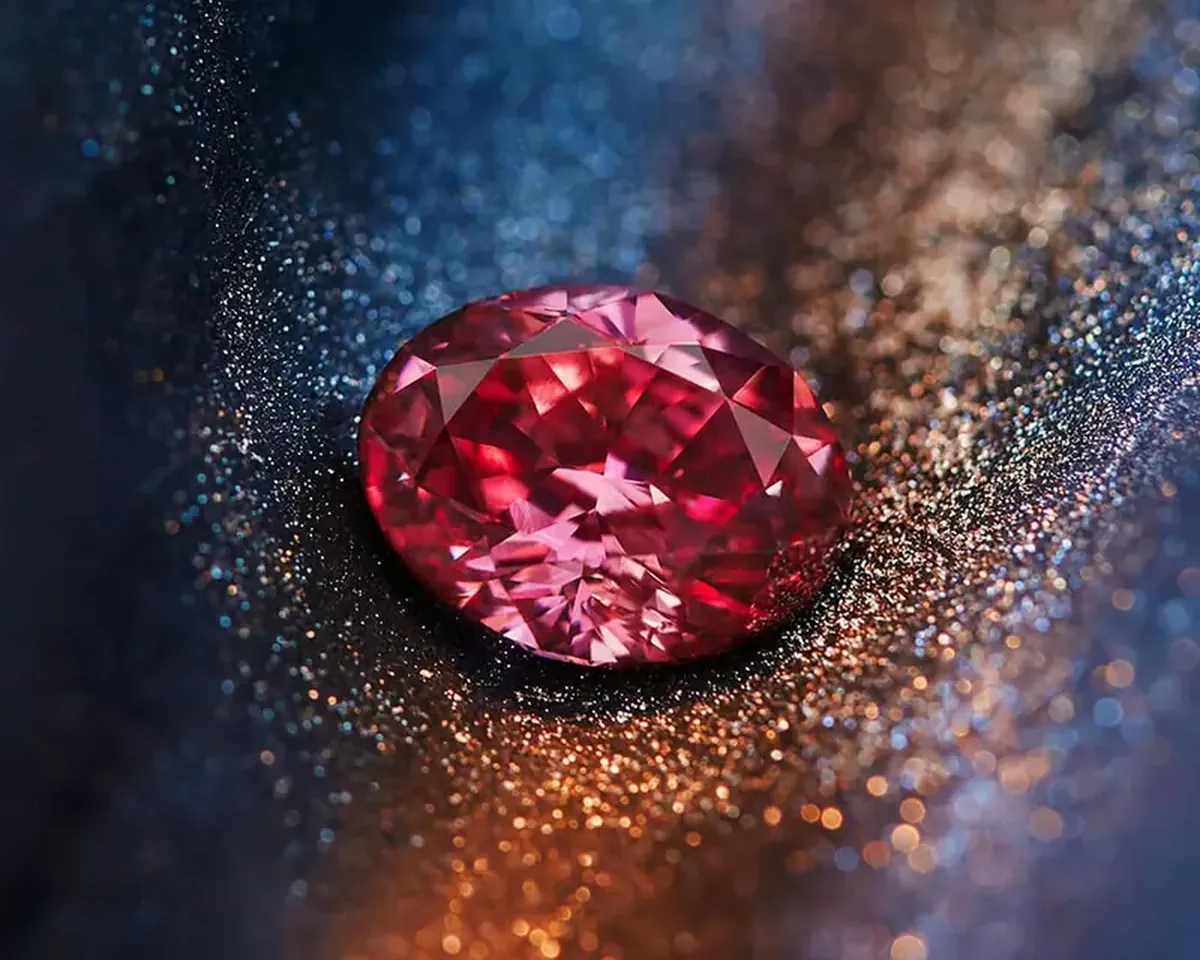
This exquisite gemstone, weighing 2.33 carats and measuring about 8 mm in diameter, is one of the rarest and largest Fancy Red diamonds in existence. This classification means it is purely red, without the slightest hint of brown, purple, or orange tones.
Desirable and Mysterious
Currently, the diamond is publicly accessible as part of the collection at the Smithsonian National Museum of Natural History in Washington, D.C. Museum scientists studied it in a dedicated analysis.
Natural red diamonds are among the rarest and most expensive on Earth, and Winston Red is a stunning example of these gems. Its estimated value is around $2.3 million.
Tracing History
In 2023, Ronald Winston, son of renowned American jeweler Harry Winston, donated the Winston Red to the Smithsonian’s National Museum of Natural History.
The origin of the stone remains unclear, but the cutting style suggests it was crafted in the first half of the 20th century. The earliest known record of this red diamond dates back to September 1938, when Jacques Cartier sold it to Indian Maharaja Navanagar. At that time, the stone was referred to as Raj Red. Archivists at Cartier were unable to determine when and where the jeweler had acquired it before selling it to India.
In 1988, Ronald Winston purchased the red diamond from the Maharaja’s son, who had inherited his father’s title in 1966.
The rare gem was initially set to be ceremoniously unveiled at the opening of the Harry Winston salon in Tokyo in November 1988. However, the event was canceled due to the declining health of Japanese Emperor Hirohito, as reported by IFLScience.
A year later, the rare diamond was finally showcased to the public during the anniversary celebration of the salon. The stone adorned a gold ring on the pinky finger of Hollywood actress Brooke Shields.
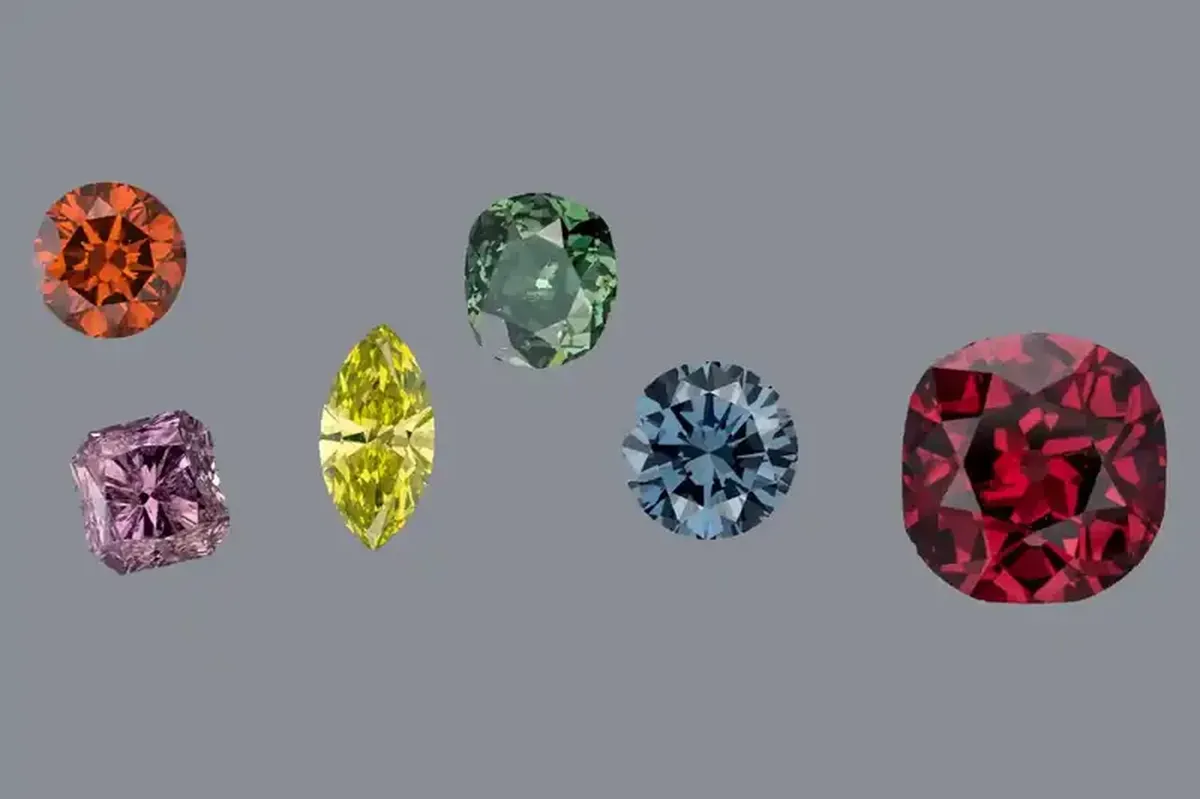
The collection of gemstones at the Smithsonian National Museum of Natural History
Geological Mystery
While the history of the diamond is mostly known, its geological origin remains largely uncertain. To delve deeper into its past, scientists examined the optical properties of the stone and compared it with other known rare diamonds.
Red diamonds form deep within the Earth’s mantle under the same high temperature and pressure conditions as other diamonds. The rare red hue comes from a unique distortion in the crystal lattice. At the atomic level, the structure of these stones is slightly warped in a way that alters the diamond’s interaction with light, creating its striking color.
Researchers concluded that to achieve its red color, the Winston Red diamond likely underwent significant deformation within the mantle.
The team compared it to other similar stones, hoping to gain insights into its origin. Initially, researchers speculated that it might have been found in Venezuela or Brazil, as these countries are known for producing red diamonds. However, they concluded that “the geographical origin of Winston Red remains unknown,” indicating that the geology of those regions has not been sufficiently studied to draw a definitive conclusion.
Still, the Winston Red diamond remains one of the most famous diamonds in the “fancy” color category.
The findings of the study were published in the journal Gems & Gemology.
