
 Gaby
Gaby
How did this modern accessory end up on ancient artifacts? Did women really use it 12,000 years ago—long before cosmetics, perfumes, and combs? Scholars have proposed several theories.
The oldest such images were discovered in Turkey, among the ruins of the megalithic temple Göbekli Tepe, built around 9000 B.C. Items resembling modern bags were engraved on large T-shaped stone columns arranged in a circle. The temple was likely used for public events and rituals.

Some experts suggest these carvings show what baskets may have looked like in ancient times. Other researchers argue that the concept of a bag as we know it might have originated independently in ancient civilizations.
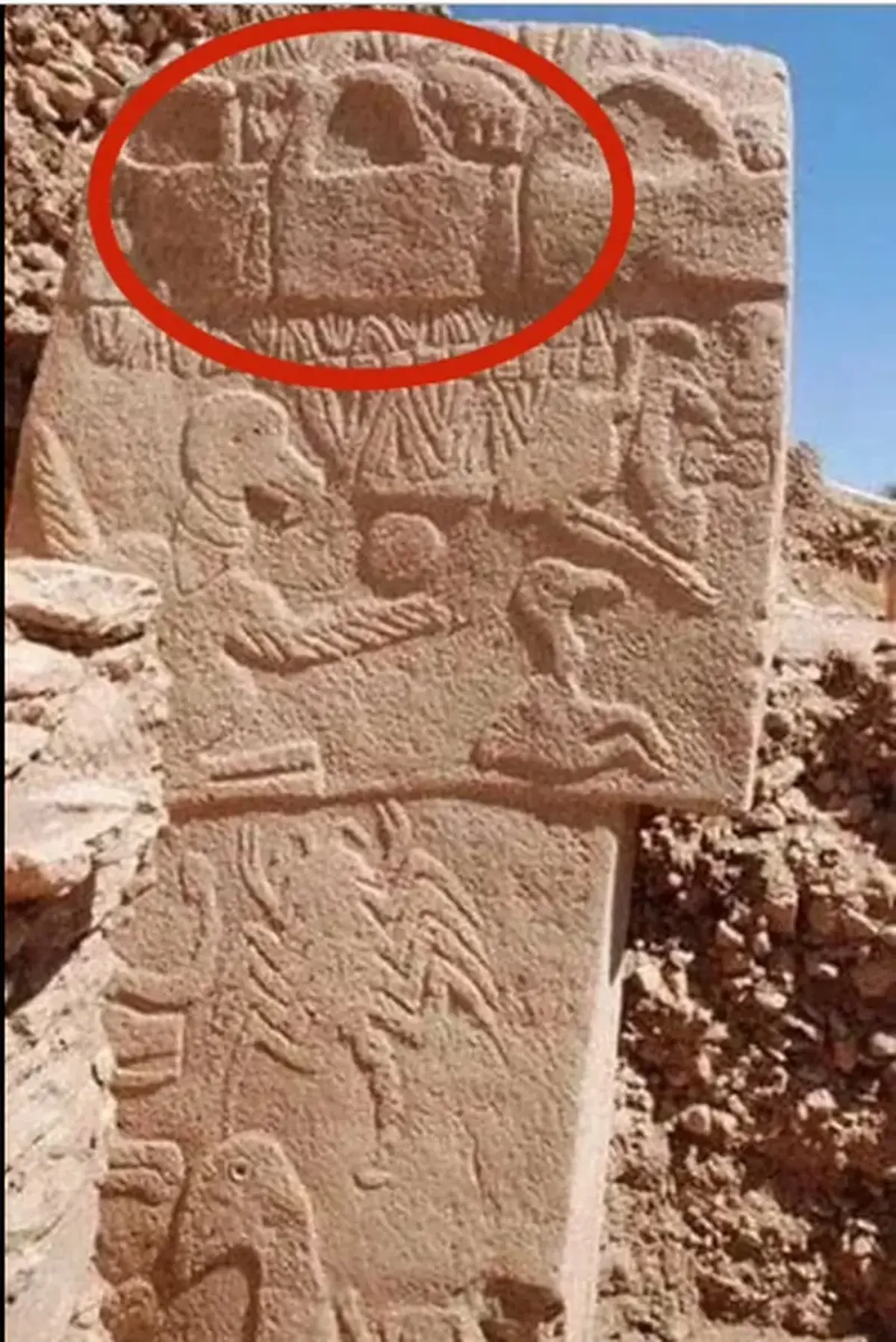
While experts are not entirely sure what these images mean, some speculate that prehistoric people linked them to their ideas about the cosmos and the Earth. Ancient cultures often depicted the Earth as flat and sometimes represented it as a square. So the square body of a bag could have symbolized the planet, the Daily Mail reported.
Other discoveries have sparked new hypotheses
Another example of a bag appears in ancient Egyptian hieroglyphs dating back about 5,000 years. These hieroglyphs depict gods carrying something small and square. Although archaeologists have found evidence that ancient Egyptians used baskets and bags to hold tools, the meaning of the items in the hieroglyphs remains unclear.
Similar finds have been made in Iraq. On gigantic stone slabs unearthed among the ruins of an Assyrian palace (constructed between 883 and 859 B.C.), researchers observed a winged genie carrying a bag. Researchers speculated that this might not be a bag at all but a small bucket. Many experts agree that the bucket was likely used to hold magical potions.

Historian David Miano explained, “These figures, often featuring human bodies and animal heads, are called Apkallu.” He said they are secondary deities believed to possess protective powers. They carry items that people call bags, but actually these are water buckets likely used to water sacred date palms.
A similar motif turned up in Mexico among ruins attributed to the Toltecs. Archaeologists noted images of a humanoid figure holding a bag while surrounded by a snake. Giant stone statues from the same region, carved around 750 A.D., depict figures clutching bags to their chests.

Miano added that a bag is a very simple object: “Anyone can create one.” There’s no need to borrow the idea from another culture, he said. “You can come up with a bag on your own.”
Interesting facts
- The first modern handbag was created in 1841 in England by Samuel Parkinson. His wife needed an accessory to hold all her travel essentials that wouldn’t fit in her wallet. Since then, the bag has become a common companion for both women and men.
- Until recently, the most expensive handbag in history was the Mouawad bag, which entered the Guinness World Records in 2010. The Mouawad 1001 Nights Diamond Purse was adorned with 4,517 diamonds (colorless, yellow, and pink), totaling 381.9 carats. The bag was crafted from 13-carat white and yellow gold and was valued at $3.8 million.
- In 2020, the world record moved to the Parva Mea handbag from Boarini Milanesi. Made from crocodile leather and decorated with ten butterflies of white gold, the bag is embellished with diamonds, sapphires, and tourmalines totaling 130 carats, and is valued at $7 million.
