
 Gaby
Gaby
For years, people thought a nightcap helped you fall asleep and get deeper rest. But lifestyle experts and sleep specialists now say that idea is flawed.
First and foremost, consuming alcohol before bedtime—especially on a regular basis—can lead to insomnia, frequent awakenings during the night, sluggishness, snoring, dehydration, and migraines.
Drinking is also risky because it interrupts the rapid eye movement (REM) sleep phase. This phase, the deepest of the four stages we all go through each night, is vital for memory, learning, and creativity. “It provides rest and recovery for the brain,” said Ian Hamilton, an addiction specialist at the University of York in the UK.
Hamilton says some people develop insomnia from regular drinking. “They may fall asleep at first, but then suffer repeated awakenings that leave them feeling sluggish,” he said.
Dr. Melissa Oldham of University College London (UCL) explains that the body continues metabolizing alcohol long after you fall asleep. Once alcohol is absorbed into the bloodstream from the stomach and small intestine, the body slowly breaks it down throughout the night. That process can cause people to wake more often and feel tired the next morning.
Nightcap drinkers often wake in the middle of the night feeling thirsty or needing to use the bathroom. Alcohol also makes people sweat more, says Richard Piper of the British charity Alcohol Change UK.
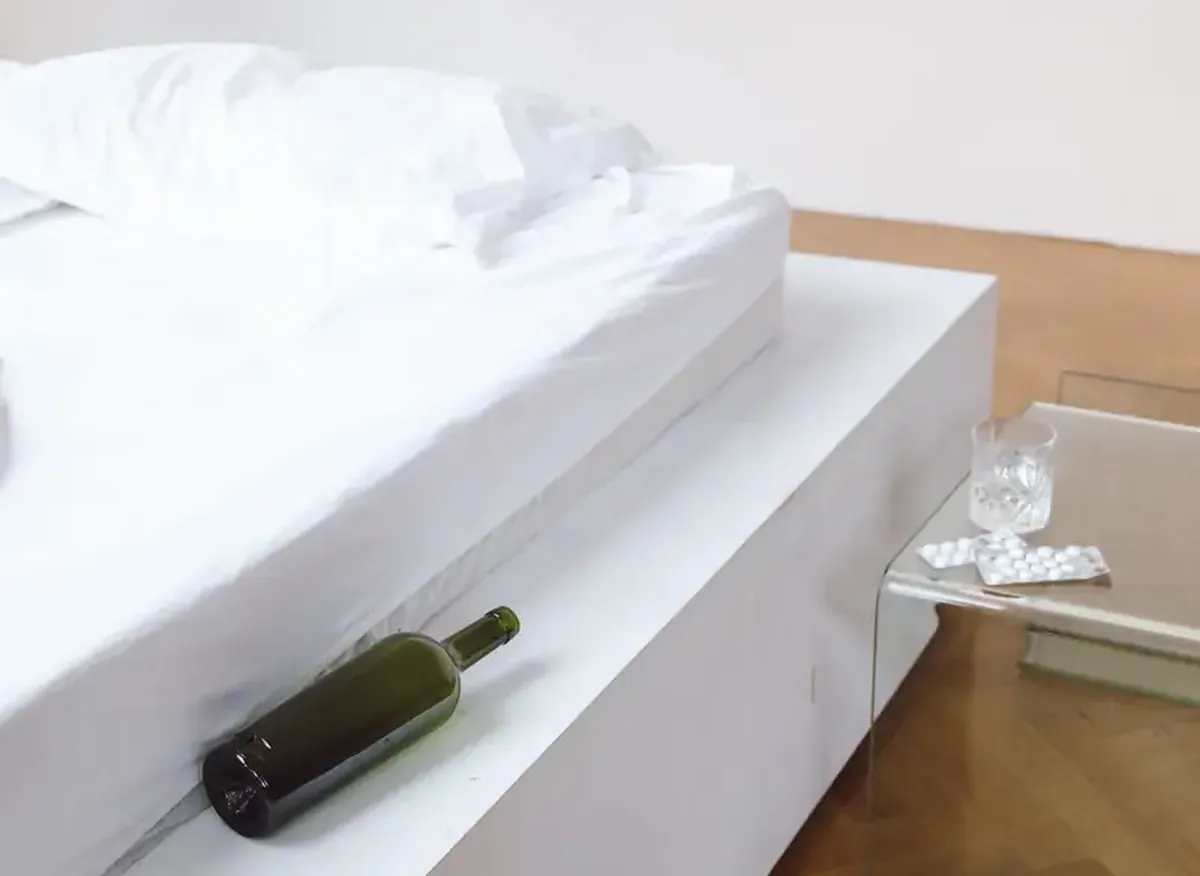
Giving Up Nightly Drinking Can Help You Sleep Deeper and More Peacefully
Researchers advise people who drink alcohol to avoid doing so right before bedtime. The body needs time to process the alcohol before sleep. Otherwise the brain gets used to falling asleep with alcohol and starts expecting another dose, which can actually harm sleep.
It may take a while for sleep to normalize, because the brain doesn’t easily break that habit. But giving up nighttime drinking can lead to deeper, more peaceful sleep, Piper says.
New studies have shown that people who stopped drinking before bed reported higher energy levels and sharper focus.
On average, the body takes about an hour to process one serving of alcohol. So the more alcohol you drink, the longer it takes to metabolize, the Daily Mail reports.
For example, processing three servings of wine or a pint of beer takes about three hours on average. That time varies depending on whether a person had eaten and on their weight, age, and gender.
