
 Gaby
Gaby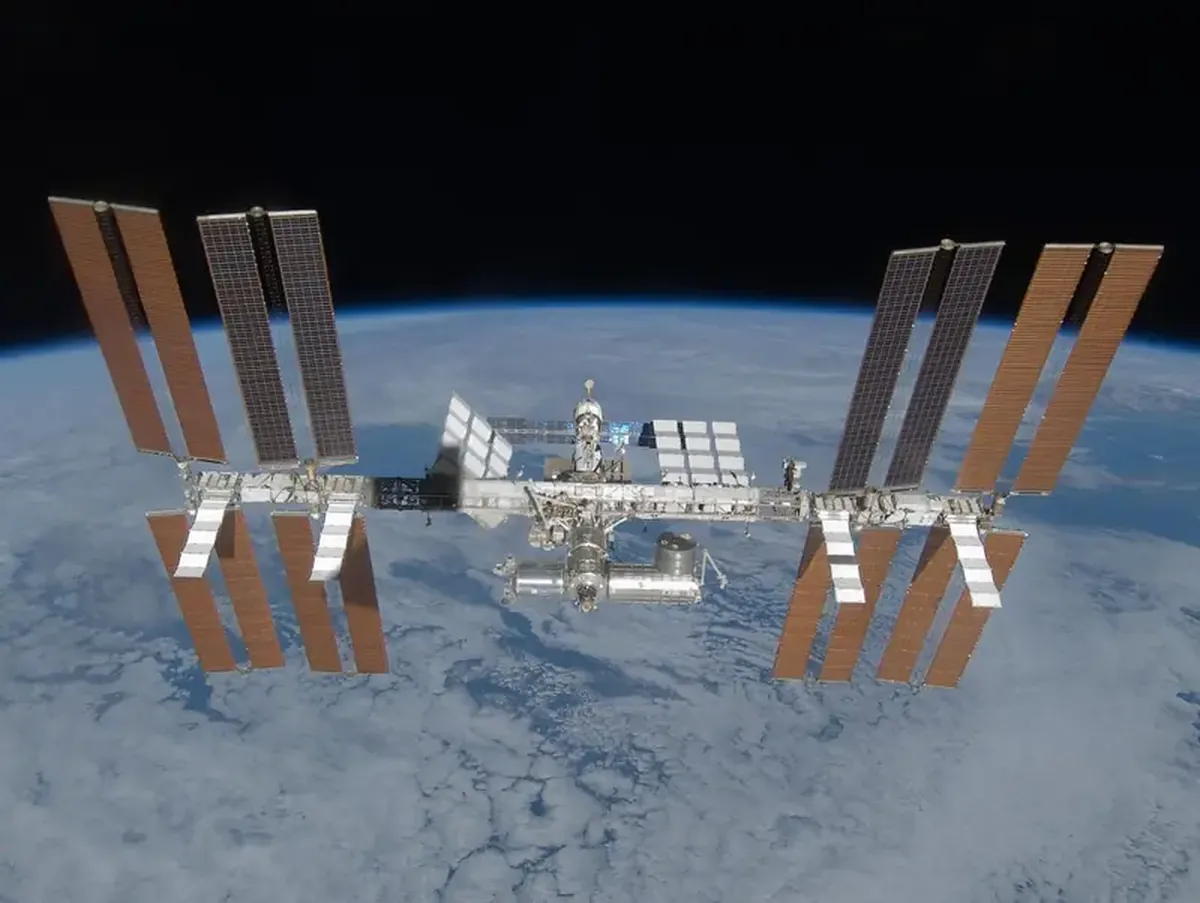
Researchers at the University of California, San Diego reached a surprising conclusion.
Typically, space explorers spend about six months aboard the International Space Station (ISS). However, NASA astronauts Sunita Williams and Barry Wilmore ended up staying on the ISS for more than nine months.
During such extended missions, astronauts often experience immune system dysfunction, skin rashes, and inflammatory diseases. Until now, researchers have struggled to pinpoint the exact causes of these side effects of space travel.
A new study suggests these issues may be linked to the ISS being too sterile.
On Earth, there are about a trillion species of microbes. Some can cause disease in humans, while others actually support our health. Beneficial bacteria strengthen the immune system, protect against infections, help the gut digest food, and regulate the body’s inflammatory responses.
Yet the diversity of microbes on the ISS is far lower than on Earth, and most of the species present were brought there by astronauts. The researchers say the lack of beneficial bacteria on the space station may suppress astronauts’ immune systems, making them more vulnerable to rashes, herpes outbreaks, fungal infections, shingles, and other illnesses.
What Else Did the Scientists Discover?
With the help of astronauts, scientists collected swabs from 803 different surfaces on the ISS to thoroughly investigate the station’s microbial environment.
Once the samples were returned to Earth, researchers identified the microbial communities that accompany astronauts during their space missions. The team also created three-dimensional maps showing where specific species reside on the ISS. The team found that the primary source of microbes on the space station was human skin. Additionally, the samples revealed chemical residues from cleaning and disinfecting agents on nearly every surface.
However, the composition of microbial communities and chemical residues varied in each module of the space station, reflecting the different functions of the modules. For instance, food preparation and dining areas contained more microbes associated with food, as reported by the Daily Mail.
Overall, researchers found that the station’s microbiome lags behind the diversity of most terrestrial environments. The samples obtained from the ISS resembled samples taken from isolated places on Earth, such as hospitals, sealed indoor environments, and homes in urban areas.
The team also found evidence that high levels of the chemicals used to clean the ISS suppress the diversity of its microbiome. This suppression contributes to certain health issues faced by astronauts living on the station.
“A sterile environment is not necessarily the safest,” said Professor Rob Knight, a co-author of the study. “The influence of beneficial microbes in the environment is crucial for maintaining health—it’s no surprise, as we humans have evolved alongside these microbes for millions of years,” he added.
The researchers concluded that increasing microbial diversity aboard the space station could reduce some health risks associated with space travel. However, this does not mean that hygiene should be neglected. The team believes it’s time to consider what “helpful companions” could be sent into space to assist astronauts in avoiding ailments. “This needs to be figured out on Earth before embarking on costly space experiments,” emphasized Professor Knight.
