
 Gaby
Gaby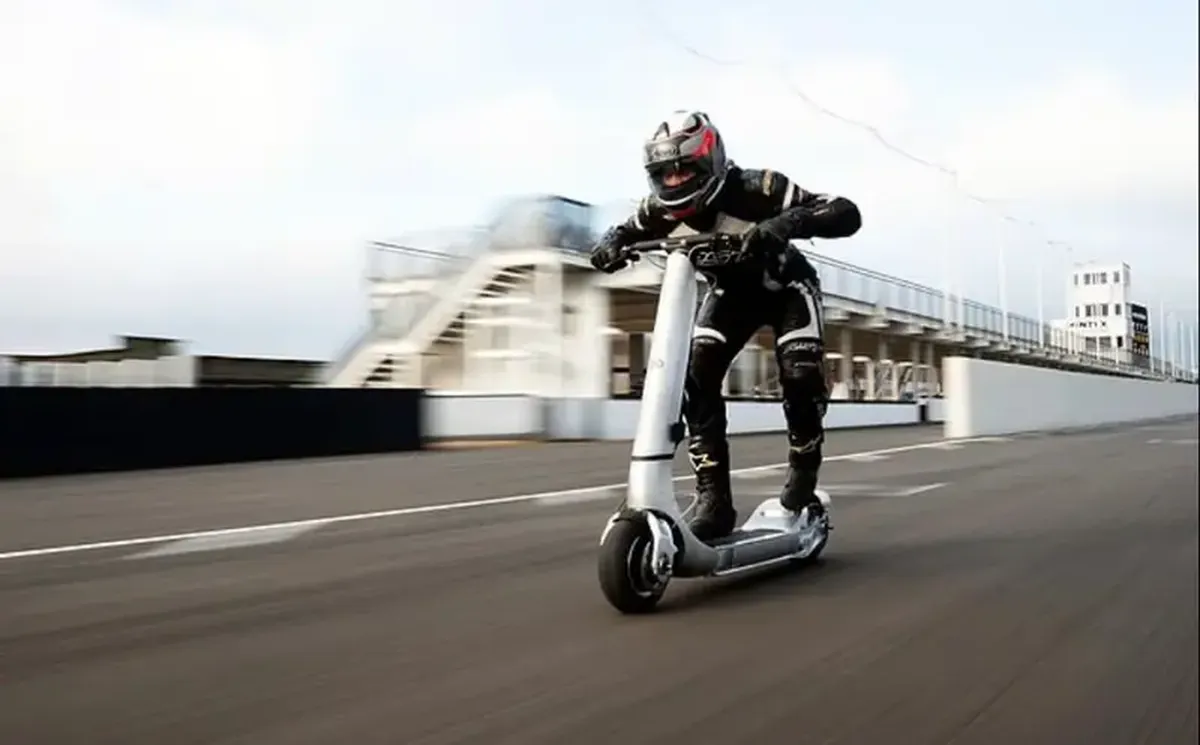
Many people in the UK view electric scooters as a public-safety risk and have long called for a ban. But the arrival of The Turbo — an exceptionally fast model — could make road tensions worse.
Developers call the new scooter a ‘monster.’ It can reach a staggering 100 mph (160 km/h).
‘When we created The Turbo, we knew we were building a monster,’ said Oscar Morgan, CEO of Bo.
Opponents of electric scooters hope the high price will put most buyers off. The base price of the scooter is $29,500 (£21,950).
What do we know about this model?
The company spent 18 months developing The Turbo, which is made from aerospace-grade aluminum. Bo says the scooter features an ultra-modern powertrain: a dual-motor system with a total output of 24,000 watts.
The main battery has a capacity of 1,800 watt-hours. That is enough to charge about 1,500 iPhones at once, the Daily Mail reported.

Developers say most typical electric scooters on the road have a range of about 15–40 miles (25–65 km) per charge. In contrast, The Turbo can travel around 150 miles (240 km) before needing a recharge.
The first 20 test runs took place at Goodwood. On one run, professional racer Tre White reached 84 mph (135 km/h) on the scooter.
The current legal speed limit for electric scooters in the UK is 15.5 mph (25 km/h).
Bo isn’t stopping there. The company now hopes to exceed 100 mph (160 km/h) under the supervision of Guinness World Records.
Harry Wills, Bo’s technical director, said, ‘After completing tests on UK racetracks and confirming The Turbo’s stability and handling, we’re now working to increase its power and speed.’
Deadly Transportation
This comes after a campaign was launched to restrict electric scooters and similar vehicles, prompted by a string of incidents that alarmed the public.
Citizens can now anonymously report dangerous or illegal use of motorcycles, mopeds, e-bikes, and electric scooters to the charity Crimestoppers.
Many welcome that option, since modern vehicles such as electric scooters have become a public-safety concern, with riders using them in residential areas, on sidewalks in city centers, and in parks.
