
 Gaby
Gaby
Roughly 1.3 billion people worldwide have some form of visual impairment, and about 276 million are blind, according to the World Health Organization. Most people with vision problems are over 40. Here are the most common age-related eye diseases — and what you can do to prevent or delay them.
Cataracts
Cataracts are a common consequence of aging. They happen because the eye’s lens, which is clear when we’re young, changes over time: proteins in the lens begin to break down and clump together, forming a cloudy patch called a cataract.
Early on, cataracts may not cause noticeable symptoms. As the protein clumps grow, vision becomes blurry, colors look faded, night vision worsens, and lights — including sunlight — can seem painfully bright.
The risk of cataracts rises with age and with certain health conditions, such as diabetes. Younger people can also develop cataracts if they smoke, drink heavily, have a family history of cataracts, have had eye trauma or surgery, or spend a lot of time in the sun. To protect your eyes and delay cataracts:
- Wear sunglasses and a wide-brimmed hat to shield your eyes from the sun;
- Avoid smoking;
- Eat a diet rich in fruits and vegetables, especially leafy greens like spinach, lettuce, and kale;
- Have an annual eye exam with an ophthalmologist after age 40.
Surgery is the only way to remove a cataract, but you don’t always need surgery right away. In the early stages, you can cope by using brighter lighting, wearing sunglasses with anti-glare coatings, and using reading glasses or special lenses for specific tasks.
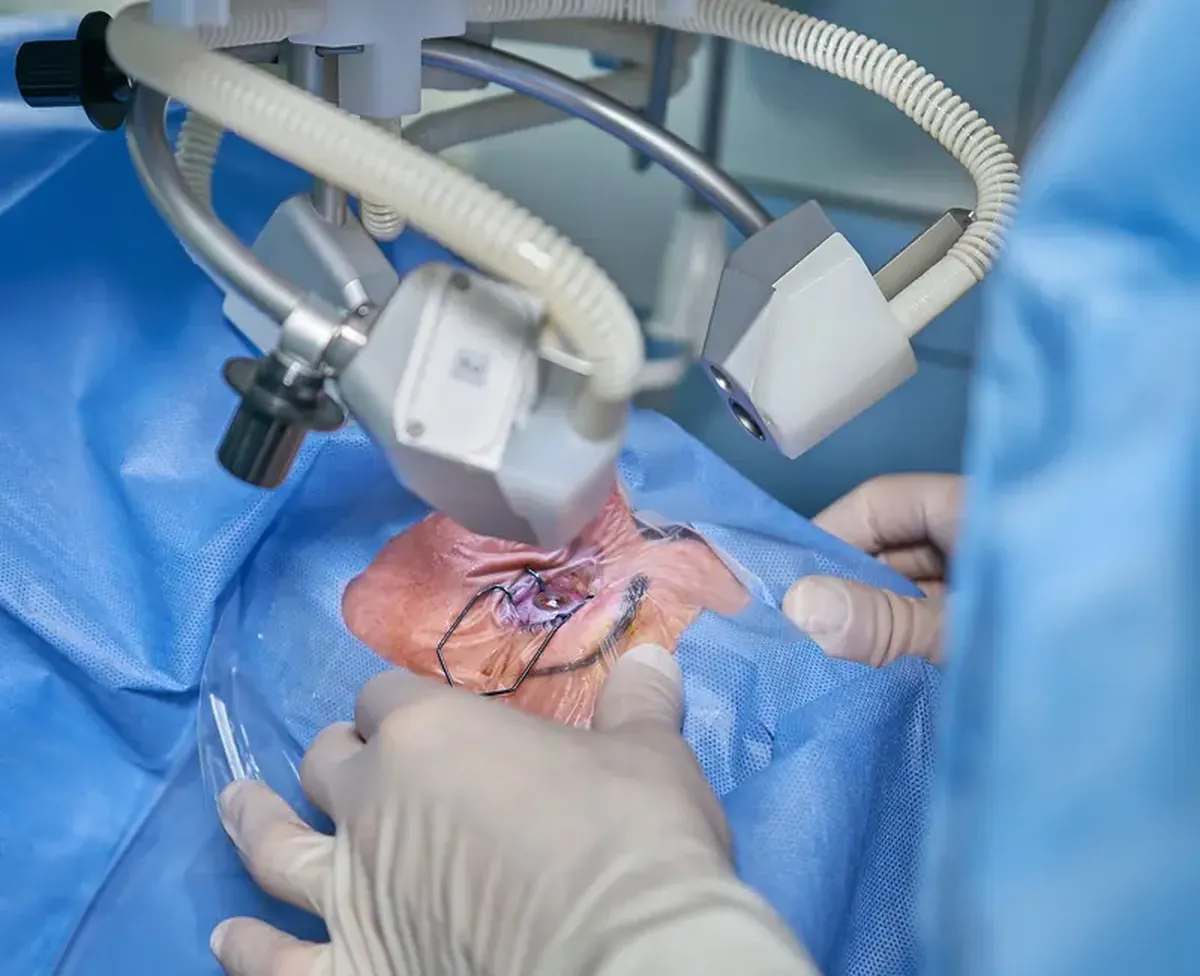
If cataracts begin to interfere with daily activities like reading, driving, or watching TV, surgery may be necessary. The surgeon removes the cloudy lens and replaces it with an artificial one. The procedure is safe, and nine out of 10 people who have it report improved vision.
Macular Degeneration
The macula is a tiny area near the center of the light-sensitive retina that creates the sharp, central vision you need to read fine print and recognize faces. Progressive damage to the macula impairs central vision while peripheral vision usually stays intact. After age 50, this is called age-related macular degeneration (AMD).
AMD is the leading cause of vision loss in people 50 and older. As it develops, people may notice blurriness, blank spots, or that straight lines look wavy — signs that could indicate late-stage AMD.
A mix of factors contributes to macular degeneration, including family history, smoking, and ultraviolet (UV) exposure.
Research suggests you can lower your risk of developing AMD or slow its progression by making healthy choices:
- Avoid smoking;
- Get regular exercise;
- Maintain a healthy weight;
- Control blood pressure, cholesterol, and blood sugar levels;
- Eat a nutritious diet with leafy green vegetables and fish;
- Wear sunglasses that block UV rays.
There’s no proven treatment for early-stage AMD, so regular monitoring by an eye doctor is essential.
If you have intermediate or late-stage AMD, certain supplements high in antioxidant vitamins and minerals can help slow progression.
The late stage of AMD, called “wet” or neovascular AMD, occurs when abnormal blood vessels grow under the retina and leak into the macula. That leakage can cause rapid vision loss over weeks or months.
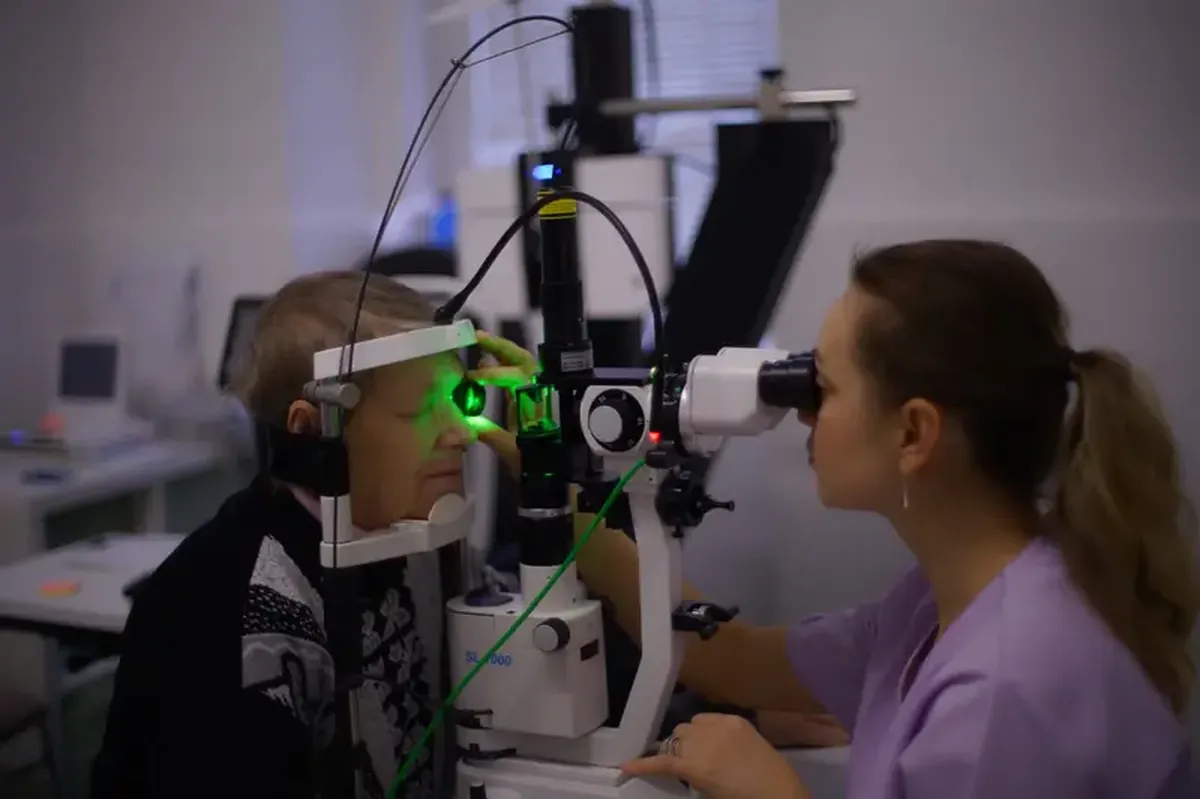
Doctors can inject medications into the eye to stop those vessels from growing, and laser therapy may help in some cases. Still, wet AMD remains a leading cause of vision loss for people over 50.
Glaucoma
Glaucoma is a group of eye diseases that damage the optic nerve and can lead to vision loss or blindness. For years, doctors focused on high intraocular pressure as the main cause. Yet some people with elevated pressure never develop glaucoma, while many people with glaucoma never had high pressure.
The exact causes of glaucoma are still being studied. Some researchers think of glaucoma less as a purely eye condition and more as a neurological disorder in which nerve cells that connect the eye to the brain degenerate, similar to processes seen in Parkinson’s or Alzheimer’s disease.
People over 60, especially those with a family history of glaucoma, are at higher risk. The disease often starts with the loss of peripheral vision, which many people don’t notice until central vision is affected.
You can’t always prevent glaucoma, so regular eye exams are crucial for early detection. Without treatment, glaucoma can lead to irreversible blindness.
Treatment focuses on lowering intraocular pressure when it is elevated. The most common early treatment is eye drops that reduce pressure. Surgeons can also perform procedures to improve fluid drainage from the eye.
Researchers are also studying ways to protect the nerve cells that connect the eye to the brain. Clinical trials are under way for drugs designed to slow nerve-cell loss and protect healthy neurons.
If you’re at risk because of age, family history, or other factors, get regular eye exams. Many eye diseases show no symptoms early on, and late-stage conditions can cause blindness.
