
 Gaby
Gaby
Our consumer-driven culture has made people more careless: a surprising number of common household items that should go in the trash are being flushed down the toilet.
Even children know that only feces, urine, and toilet paper belong in the bowl. But researchers from SINTEF, a Trondheim-based research organization, found a wide range of other items during their CLIMAREST project, which sampled wastewater.
The top five most commonly flushed items, despite clear guidelines, are:
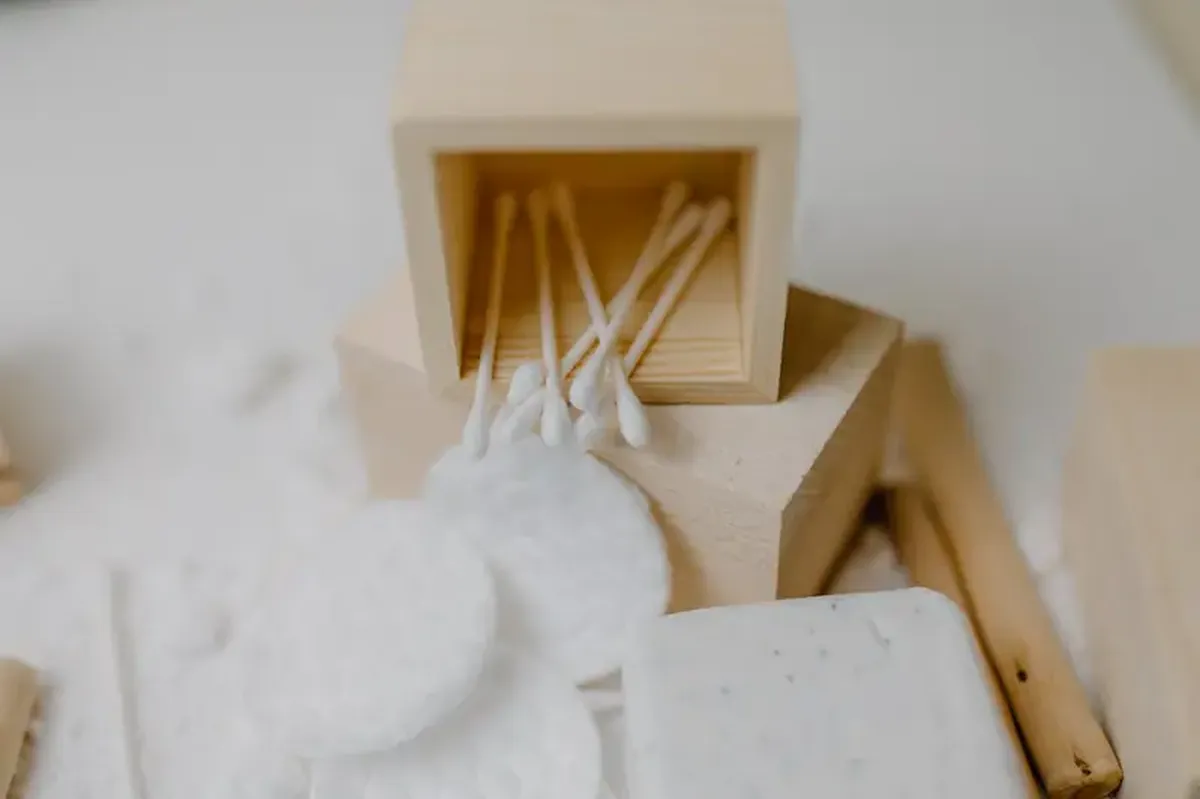
- cotton swabs
- contact lenses
- condoms
- feminine hygiene products
- wet wipes
Is it stupidity, indifference, or a lack of understanding?
Packaging for some of these products—especially wet wipes—often implies they can be flushed. Marketers use words like “natural” and “biodegradable,” and some wet wipe packages even say “flushable.” That label is misleading.
Warnings that these items shouldn’t be flushed are rare. The result is massive piles of non-biodegradable waste that can take months to clear.
“Even if a product is labeled as natural, it doesn’t mean it simply dissolves in the environment. These products have a very long decomposition period, and they should not be flushed down the toilet, even if they are labeled as biodegradable,” said Ida Beate Overjordet, a senior researcher at SINTEF.
It’s usually impossible to identify who flushed a prohibited item, so no one ends up being held accountable.
How do experts explain the dangers of this behavior?
Environmental groups estimate that supposedly “natural” wet wipes can take about 200 years to break down. Plastic-containing waste lasts even longer, according to reporting in the Daily Mail.
When people flush these items, the waste travels through pipes to a collector where sewage from many buildings accumulates. Untreated wastewater then goes to treatment plants, which filter the water before releasing it into rivers. In theory the plants should catch everything that gets flushed. In practice they often don’t.
Researchers say many treatment plants, including some in Norway, are relatively basic and capture only a small fraction of this waste.
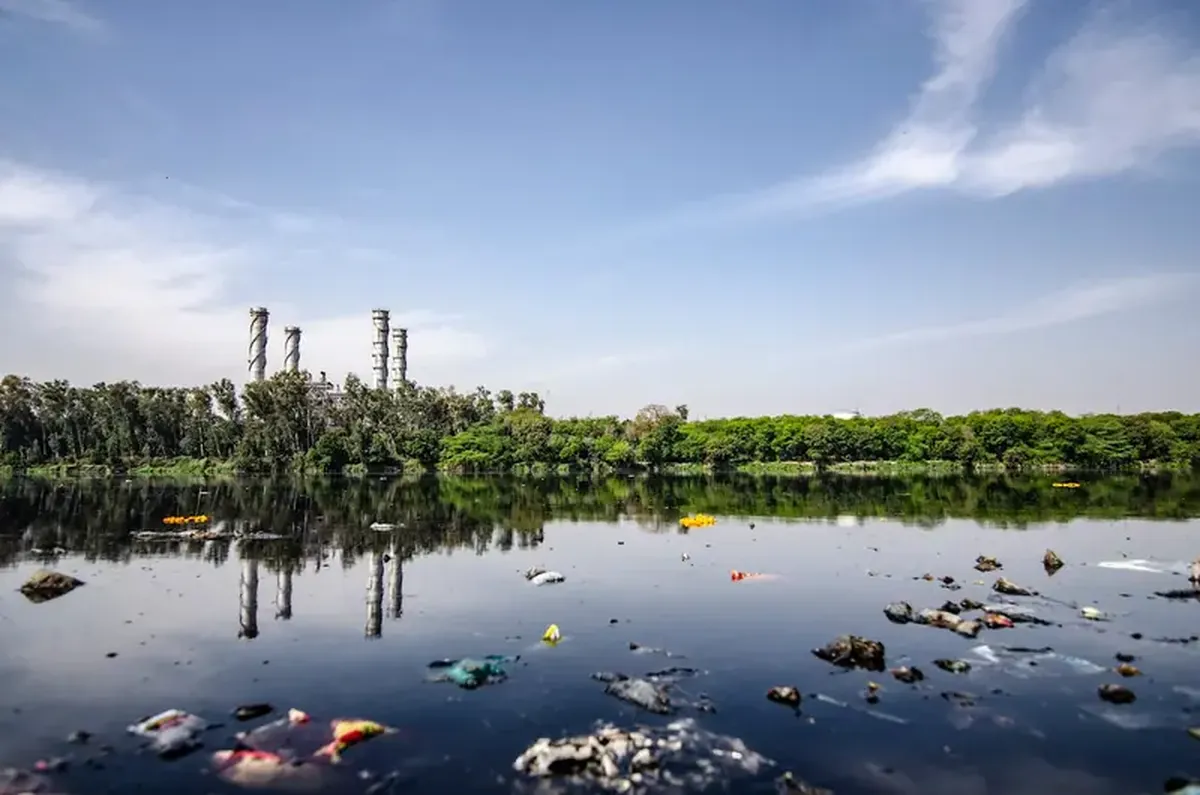
As a result, flushed items can make their way into rivers and oceans, polluting water and harming marine life.
Keep a trash bin in the bathroom. This simple step helps stop the habit of flushing inappropriate items.
Researchers also warn of another problem: treatment plants can’t fully remove chemical residues from medications. Those residues enter the sewage system through urine and pose risks to the environment, Overjordet said. There is no easy fix for this, since people cannot simply stop taking prescribed medications.
