
 Carlos Solis
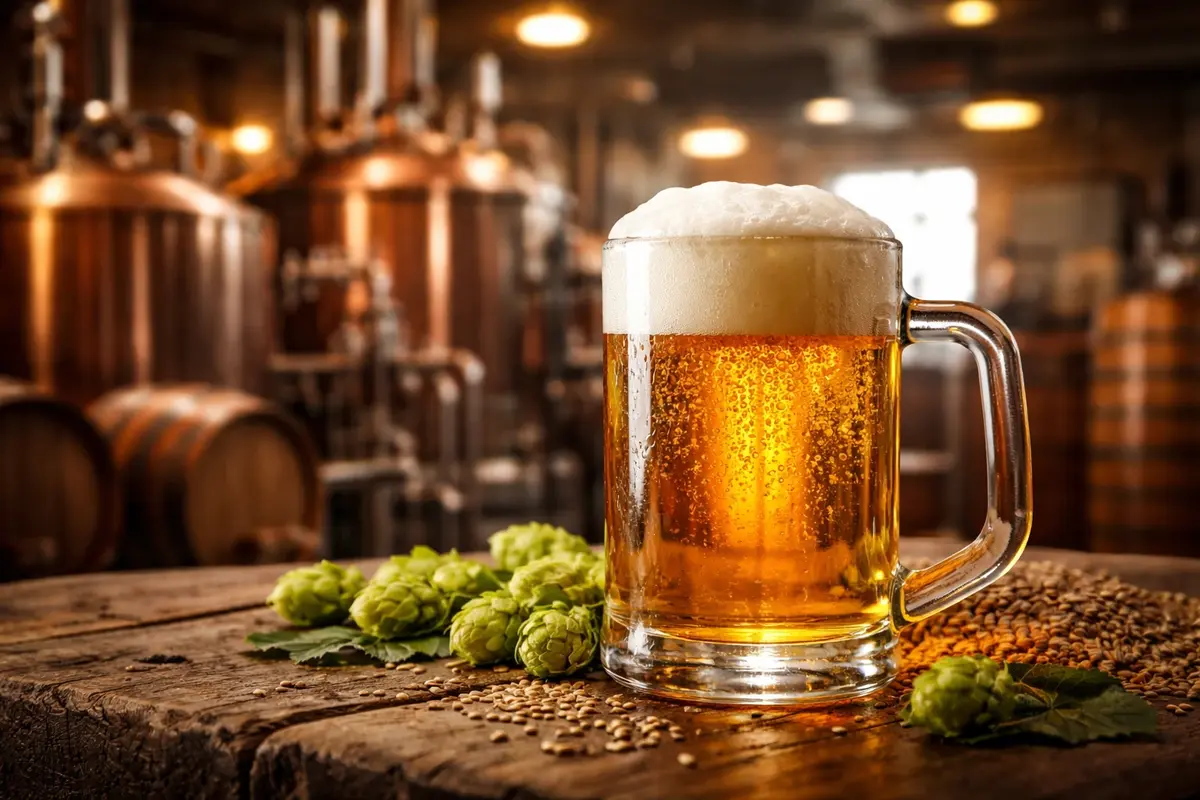
Foam on beer forms when carbon dioxide bubbles rise to the surface. Unlike most other beverages, each bubble in beer is wrapped in a thin film of proteins that protects it and extends the foam’s life.
Proteins come from the malt — the sprouted and dried grains used in brewing. The ratio and types of proteins depend on the chosen grain and the malting process, so different beer styles produce different foam textures.
How Beer Styles Affect Foam
Studies show that in beers with longer fermentation, like many Belgian ales, proteins stabilize bubbles more effectively. That makes their foam last longer. Beers with higher protein content, such as wheat beers, tend to have thicker, more stable foam.
If the foam in your glass sticks around, it likely reflects the choice of malts and a longer fermentation in the beer’s recipe. Savor the flavor and the look — foam matters, too.
This article draws on BBC Science Focus
