
 Gaby
Gaby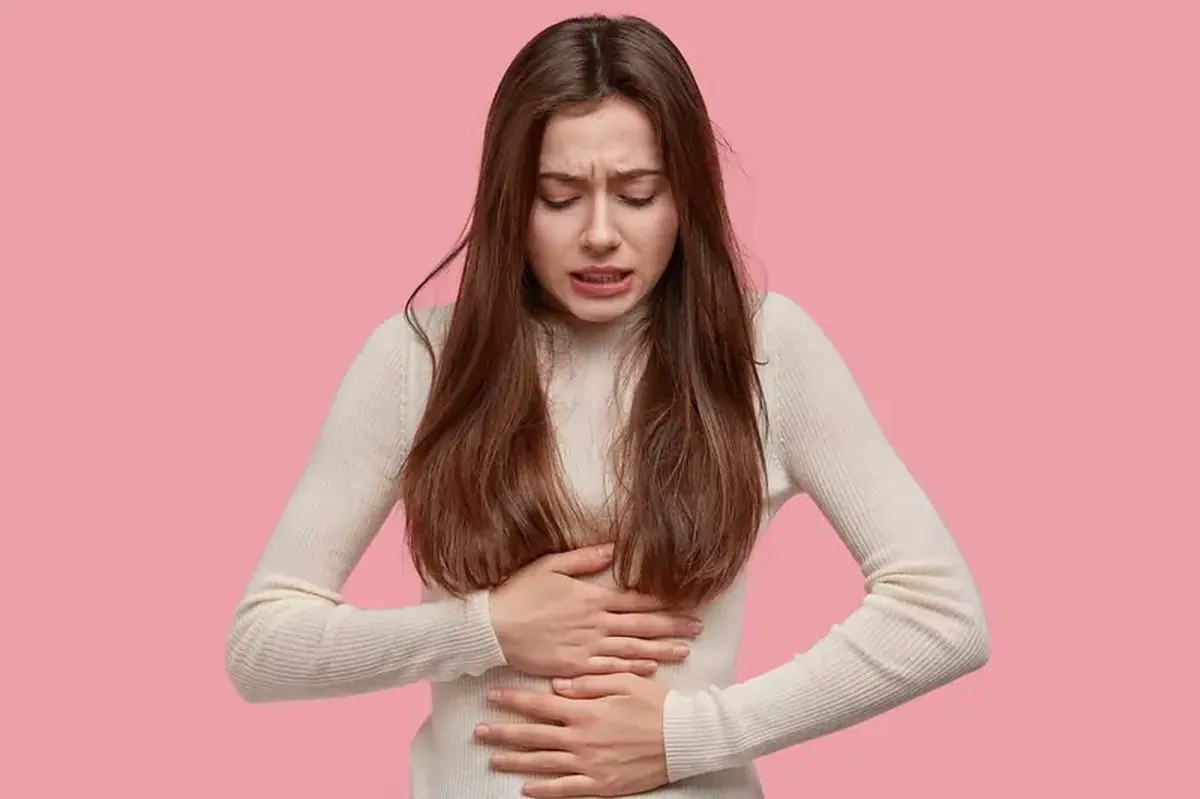
Just when you find your rhythm on the treadmill (or are simply running late for a train), a sharp pain suddenly strikes you in the side—right under your ribs.
This unpleasant sensation is medically known as “exercise-related transient abdominal pain” (ETAP). It can be annoying and uncomfortable, although doctors don’t consider it serious.
But what causes it? While nearly everyone has experienced it, no one really knows where it comes from or which part of the body it originates from. However, there are plenty of theories about it.
What Do Scientists Say?
For decades, after the ETAP theory was first proposed by scientists in 1941, sports doctors believed that side stitches were the result of insufficient blood flow to the diaphragm. This large muscle, located beneath the ribs, is responsible for drawing air into the lungs and pushing it out. When blood flow to the diaphragm is reduced, it can lead to painful cramping or spasms. This happens because, during exercise, blood is redirected away from the diaphragm and concentrated in the muscles of the limbs.
However, this theory has recently fallen out of favor, as the diaphragm also becomes more active during exercise, redirecting blood to itself rather than away from it. Andrew Lavender, a senior lecturer in the Department of Exercise and Sports Science at the Australian National University, shared this insight with Live Science.
Another idea is that the “constant jarring” the body experiences during workouts puts stress on the ligaments that attach the abdominal organs to the diaphragm, Lavender explained. However, this theory accounts for why runners often suffer from stitches but doesn’t explain why they occur during swimming, rowing, or cycling.
Some experts suggest that low fitness levels may contribute to the onset of side pain. Lavender is skeptical of this hypothesis, noting that even highly trained athletes experience these stitches. Other scientists propose that the pain may originate from the intestines due to poor blood flow during exercise. Additionally, this pain has been linked to nerve compression from branches of the spinal cord that pass between the ribs.
Currently, researchers are leaning toward a theory that points to the peritoneum as a likely source of the pain. The peritoneum is a membrane that forms a double-layered sac surrounding the organs within the abdominal cavity, including the stomach. The outer layer adheres to the walls of the abdominal cavity and pelvis.
In a study published in 2000 in the journal Medicine & Science in Sports & Exercise, researchers suggested that the most probable cause of side stitches is the friction between the inner and outer layers of the peritoneum during exercise, leading to irritation. They reached this conclusion after surveying over 900 people who regularly play sports about their experiences with ETAP and then comparing their responses to theories regarding potential sources of side pain.
Why Is the Peritoneum Most Often Associated with ETAP?
Thus, irritation of the peritoneum is considered the most likely source of the side pain we perceive as stitches. According to Lavender, this is supported by the fact that side stitches worsen if a person eats or drinks before exercising. When the stomach is full, it exerts pressure on the peritoneum, causing its two layers to come closer together and increasing friction between them.
A 2004 study published in the International Journal of Sport Nutrition and Exercise Metabolism found that fruit juices and high-sugar sports drinks are significantly more likely to cause stitches than water or no fluid at all. It’s possible that these “hypertonic” drinks draw water out of the peritoneal cells, leading to increased friction between the layers. Alternatively, these drinks may linger in the intestines longer than water, putting pressure on the peritoneum.
How Can Athletes Combat Side Pain?
Lavender says preventing side pain comes down to controlling when and what you eat and drink before workouts.
Eat a small portion before training. Leave enough time between eating and starting your workout.
Wait at least 60 to 90 minutes after eating high-fiber or high-fat foods before exercising.
Avoid high-sugar drinks or fruit juices before and during workouts. Drink water instead.
Side pain that occurs during physical activity usually subsides when you rest. If chest or abdominal pain persists, see a doctor, as it may indicate a more serious issue.
