
 Gaby
Gaby
The authors of a new study hope their findings will encourage women to be more physically active. It’s especially important because women appear to gain greater benefits than men from the same amount of regular exercise.
According to the National Health Service of the United Kingdom, both men and women aged 19 to 64 should aim for at least 150 minutes of moderate exercise or 75 minutes of vigorous exercise each week. They are also advised to include at least two sessions of muscle-strengthening activities weekly.
Experts say girls and women generally spend less time being physically active than boys and men.
What the Study Revealed
At the same level of activity, women experience greater health benefits than their male counterparts. “Even a relatively small amount of exercise can provide significant benefits for women,” noted Dr. Hunwei Ji, a co-author of the study from Qingdao University in China.
The university team analyzed data from 412,413 volunteers who had no preexisting health issues. The researchers collected this information from 1997 to 2017. By the end of 2019, 39,935 participants had died, with 11,670 of those deaths attributed to cardiovascular diseases.
During the study, the team asked participants about their health status and physical activity — both factors that can affect the risk of premature death.
Researchers found that most men exercised more regularly than women. While the team linked exercise to a reduced risk of premature death, particularly from cardiovascular diseases, the benefits for women were more pronounced.
The team found that 140 minutes of moderate exercise per week reduced women’s risk of dying from any cause by 18 percent compared with women who were sedentary. Men needed about 300 minutes of similar activity per week to reach the same reduction, as reported by The Guardian.
The reduction in risk increased with the amount of time both men and women spent exercising, up to 300 minutes of moderate activity per week, after which the benefit plateaued. At this level, women’s risk of premature death from any cause was 24 percent lower compared with physically inactive women.

Key Takeaways
“300 minutes is the threshold where we see the greatest benefits, but gender differences are statistically significant even at lower amounts,” Dr. Ji said about the results.
However, the team cautioned that their study relied on self-reported data and did not account for physical activity related to household chores.
Dr. Susan Cheng, another co-author of the study, emphasized that any type of physical activity can help people live longer, healthier lives, even if the effects differ between men and women.
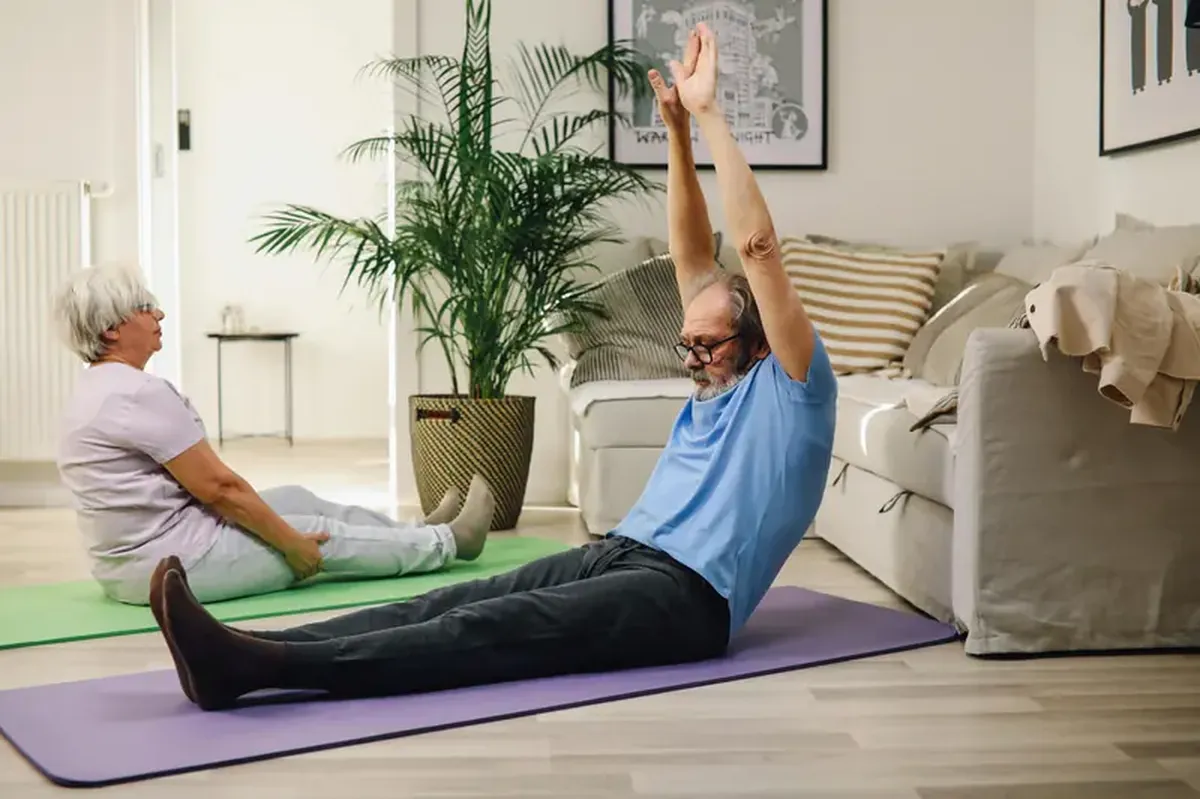
Cheng said understanding this can particularly help women who feel too busy or intimidated to start exercising. They don’t need to compare how hard they work out to men. “Women can walk their own path to success, and every bit of progress they make matters,” Cheng said.
“Although women appear to take part in less sport during their free time, their mortality risk falls more sharply with any amount or frequency of exercise each week,” said Professor Emmanuel Stamatakis from the University of Sydney. “This isn’t surprising, because the analysis didn’t account for the possibility that women put more physical effort into these activities than men,” he added.
The findings from the study were published in the Journal of the American College of Cardiology.
