
 Gaby
Gaby
When an older couple splits up, men are more likely to lose touch with their children. Researchers at the Max Planck Institute for Demographic Research in Germany found this.
“Gray divorces”—a trend that has been gaining momentum in recent years—primarily affects developed countries. The term refers to the formal separation of people over 50 who have long since become estranged from one another. They raised children together, but often there’s little left to bind them.
Divorce is always complicated: it brings financial questions, property division, changes in living arrangements, and, of course, issues involving the children. But when older adults divorce, the split often looks different than it does for younger couples.
What Researchers Discovered
A team of demographers led by Zafer Büyükkeçeci looked specifically at how “gray divorce” affects relationships between ex-spouses and their adult children.
The researchers analyzed data from 9,000 people who experienced a “gray divorce.” They focused on how often parents and children stayed in contact, how emotionally close they felt, and what kind of support they provided each other.
The findings showed clear differences based on the gender of both parents and children.
Most notably, the analysis found that “gray divorce” reduced the frequency of contact between adult children and their fathers. At the same time, contact and emotional closeness between children and their mothers increased.
The study also found that the effects were strongest in father–daughter relationships. Those relationships saw a bigger drop in both contact and emotional closeness than father–son relationships did.
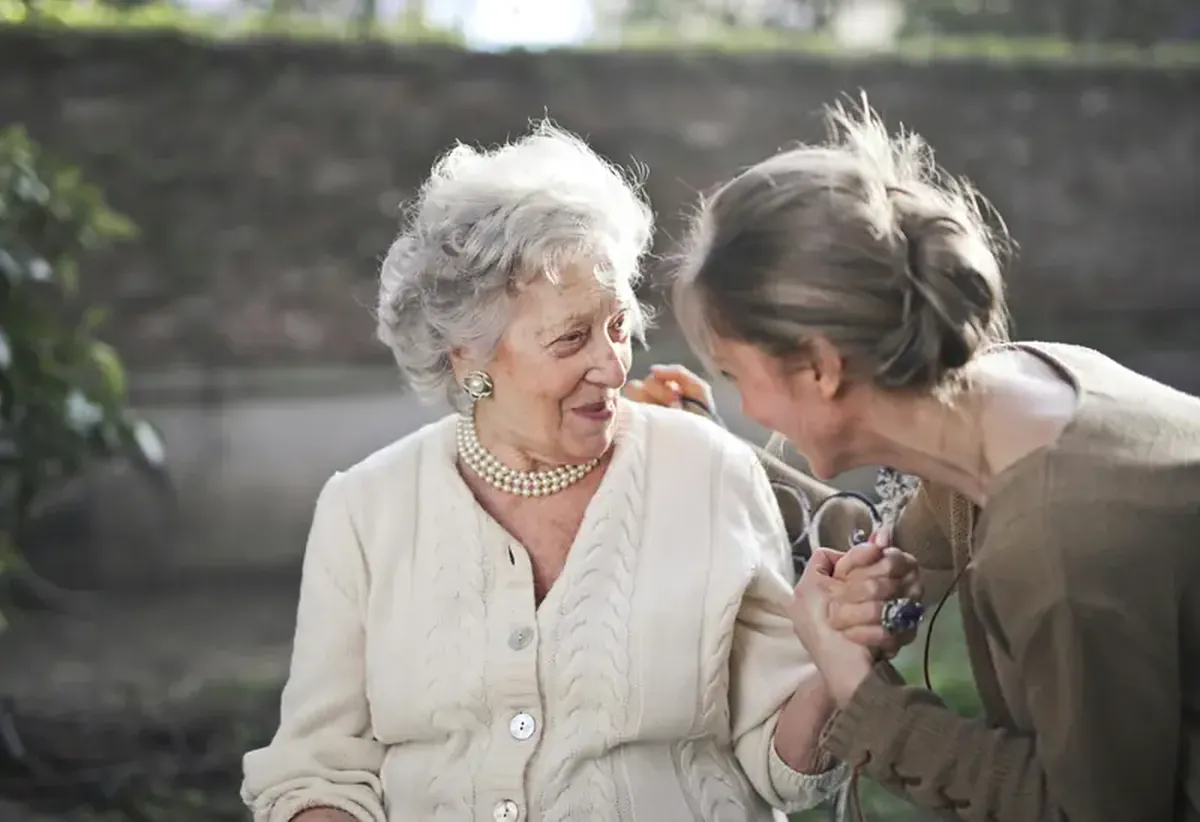
Meanwhile, mother–daughter bonds often grew stronger, according to reporting by the Daily Mail.
The study also indicated that older mothers received more emotional and practical support from their children.
Büyükkeçeci said that after a divorce, fathers generally experience greater strain in their relationships with their children than mothers do.
What Explains This Pattern of Relationships
“The reasons for this inequality may lie in the fact that mothers traditionally maintain closer ties with their children,” the researcher said.
Büyükkeçeci explained that after a “gray divorce,” fathers often lose their role as the family organizer, which can deepen their social isolation. They stop fostering family connections, planning events, or acting as the household’s backbone.
“The health, well-being, and social integration of older parents are closely linked to having a partner in the family and to intergenerational solidarity. ‘Gray divorces’ can undermine both of these resources, because older adults who divorce not only lose their partner but may also damage relationships with their adult children,” the team warned.
The main takeaway, the scientists said, is that “gray divorce” tends to pull adult children closer to their mothers while pushing fathers toward social isolation.
The results were published in The Journals of Gerontology: Series B.
