
 Gaby
Gaby
A team of researchers from the University of the Federal Armed Forces in Hamburg found that people over 50 tend to have the most negative attitudes toward permanent body art. They are especially put off by extreme tattoos or designs that cover large areas. Even small tattoos often bother older people.
The researchers believe that this rejection of tattoos may be linked to traditional negative stereotypes.
What Did the Scientists Discover?
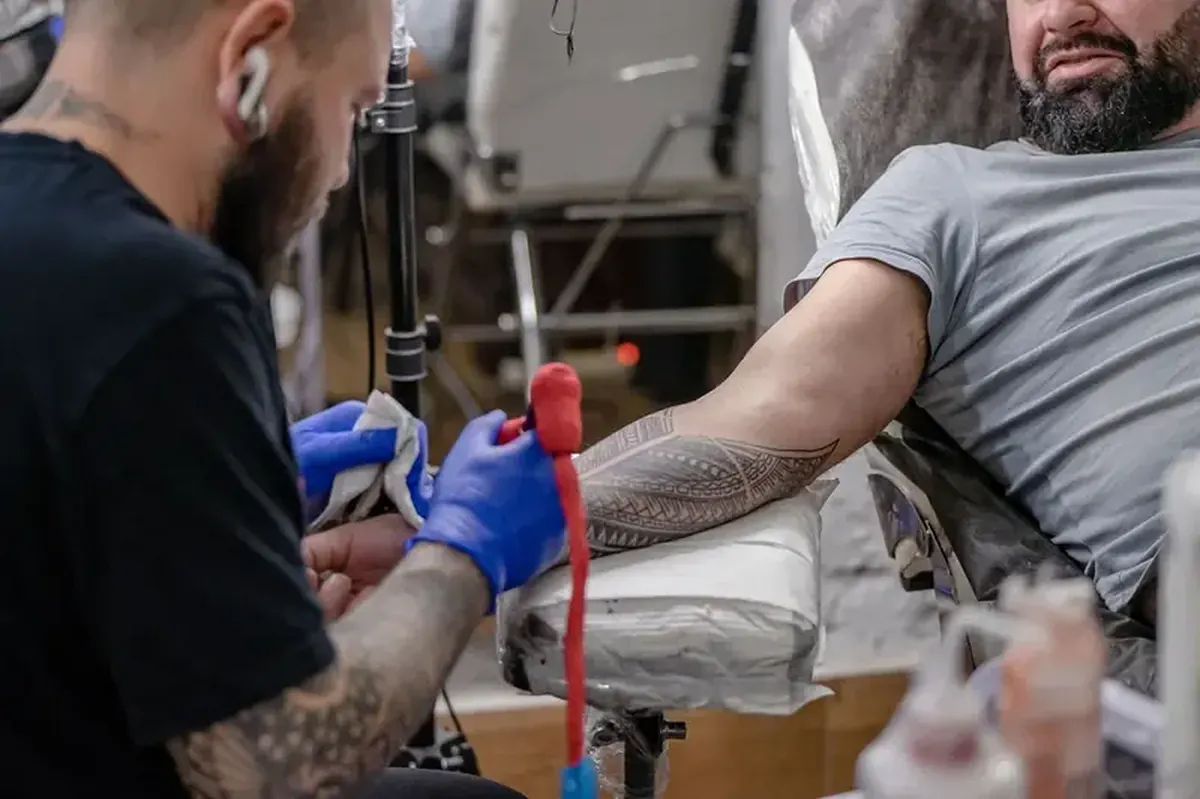
The team recruited 487 adult volunteers for the study. Each participant evaluated images of two models showing different levels of temporary tattoo coverage. The options ranged from a body with no tattoos to light, moderate, heavy, extreme body coverage, and extreme facial coverage. The designs drew on natural, geometric, and animal motifs.
Each image was rated on a scale of 1 to 7.
Results showed images without tattoos received the highest ratings, while facial tattoos scored the lowest. Participants who had tattoos, and tattoo artists, tended to view body art more favorably.
Volunteers under 50 found extreme designs more appealing than older participants did.
In this study, experts defined extreme designs as those covering large areas of the legs or arms, or placed on other prominent body parts such as the chest.
Facial tattoos received the least positive feedback from volunteers, the Daily Mail reported.

In an article published in the journal PLOS ONE, the researchers wrote: “This age-related difference can be explained by numerous factors. Young people, on average, spend more time on social media and are therefore more frequently exposed to tattoos.”
“Additionally, many public figures who often serve as role models for young people are seen with tattoos in movies or advertisements, or they have their own tattoos,” the researchers added.
They said previous studies have repeatedly shown negative stereotypes and attitudes toward tattoos among older people.
The team concluded: “These results confirm that tattoos influence aesthetic perception, which largely depends on experiences and social norms related to age.”
What Do Other Scientists Say About Tattoos?
Dr. Steven Kreb, a linguistics expert at the University of Portsmouth, surveyed 1,000 UK residents who said they regretted their tattoos.
The study found about 18% of Britons aged 18 and older regret getting tattoos.
31.34% of men and 24.33% of women reported negative feelings about having someone else’s name tattooed on their bodies. Meanwhile, 15.64% of women and 9.54% of men said they feel judged for their tattoos.
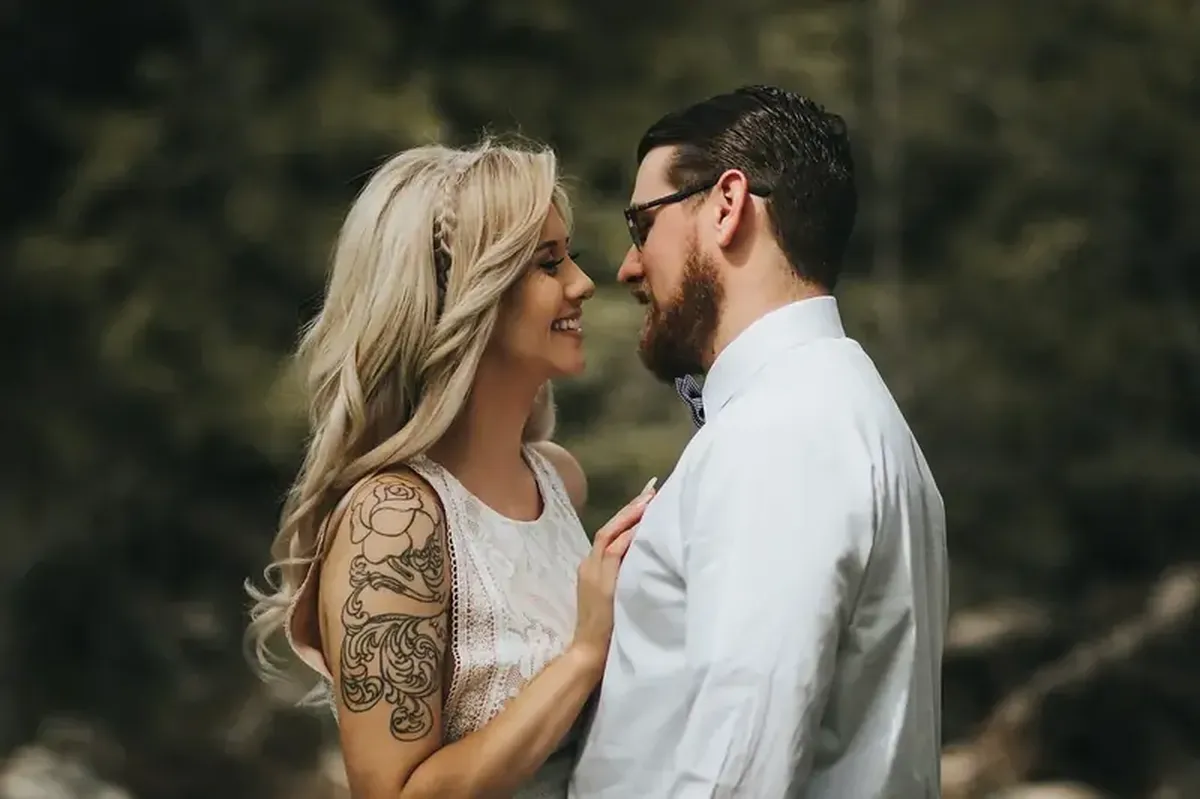
About 29.5% of participants said they had considered tattoo removal but had not yet done so, while around 24.5% had already removed tattoos.
About 28.3% of volunteers preferred to cover up their tattoos rather than remove them. Only 17.7% wanted to keep their tattoos visible and not hide them from others.
