
 Gaby
Gaby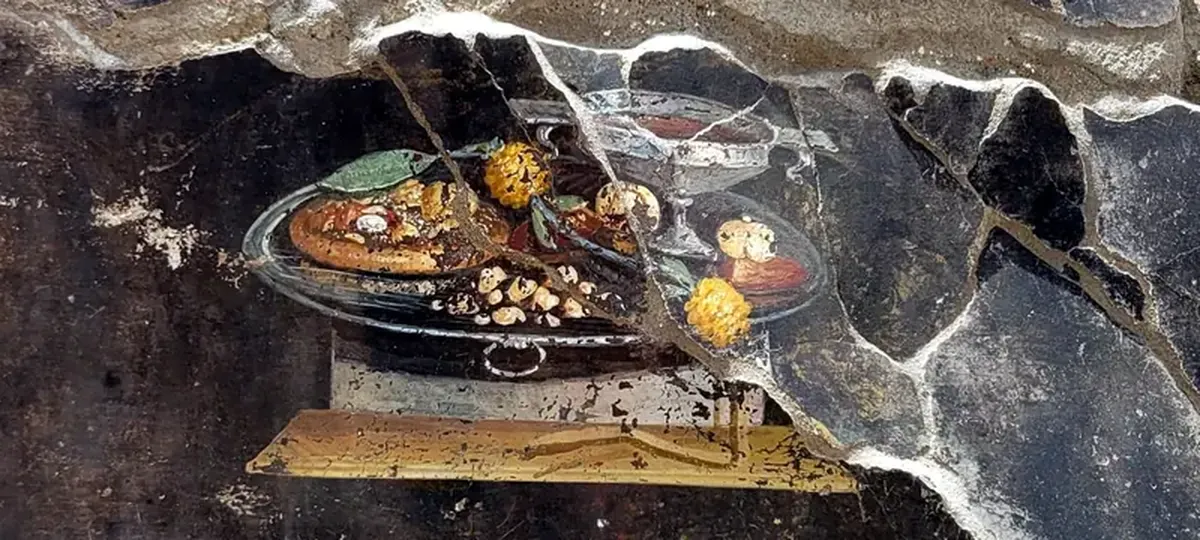
Archaeologists digging in Pompeii uncovered a surprising fresco on the wall of an ancient house buried by volcanic ash nearly 2,000 years ago. The painting shows what some are calling the “ancestor of Italian pizza.”
The fresco offers a fresh perspective on a dish beloved by Italians, suggesting a version of it existed during the Roman Empire. The image was found about 14 miles from Naples, the city often called the birthplace of pizza.
A House Excavated Over a Century Ago Reveals a New Surprise
The house in Pompeii where the pizza fresco was found was first excavated in the 19th century, but research there only resumed this January. Nearly 2,000 years have passed since the eruption of Mount Vesuvius that buried Pompeii under ash and left its inhabitants frozen in time.
As history records, the catastrophic eruption of Mount Vesuvius occurred in 79 A.D. Its ash and lava, along with rock debris, completely buried several nearby cities, the most famous of which are Pompeii and Herculaneum.
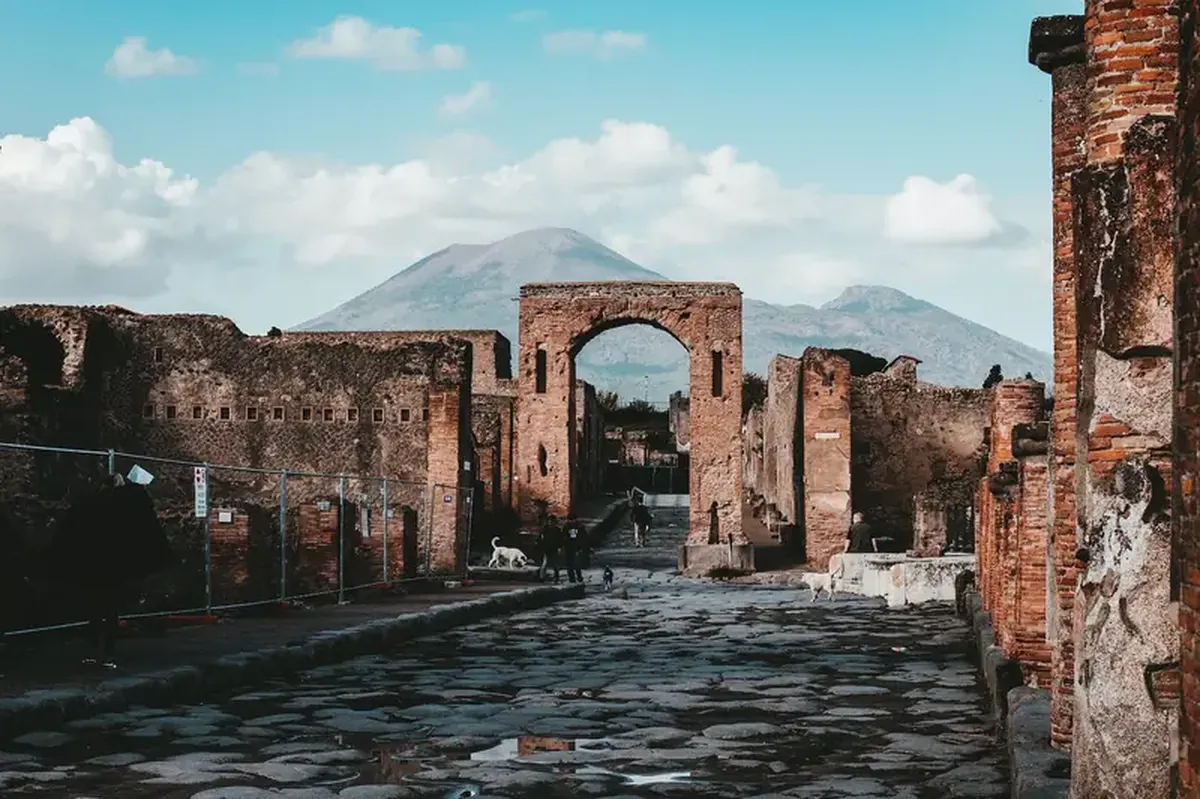 The eruption caught residents by surprise, and many perished instantly. Mount Vesuvius is currently the only active volcano in continental Europe and is considered one of the most dangerous in the world.
The excavations of Pompeii, nearly 1,700 years after its destruction, have provided unparalleled insights into Roman life. Archaeologists continue to uncover new sites in the ash-covered city.
For instance, in May, teams found a stunning alley of grand houses with balconies, largely untouched and still retaining their original colors. Some balconies even featured terracotta amphorae. Officials called the find a “complete novelty,” and Italy’s Ministry of Culture hopes to restore the houses and open them to the public.
The Pizza Fresco: Simple Food on a Lavish Platter
Archaeologists at the Pompeii Archaeological Park say the wall fresco in the ancient house could be a distant ancestor of the modern dish. The painting shows a silver platter holding a round flatbread topped with fresh and dried fruits — pomegranates and dates — and a cup of red wine.
Technically, the bread isn’t pizza — it lacks classic ingredients like tomatoes and mozzarella — but it can be seen as an early precursor to the dish that later became a signature of Italian cuisine.
Researchers believe the fresco artist drew on the Greek tradition of offering “gifts of hospitality” to guests. That practice, popular between the 3rd and 1st centuries B.C., is described by Roman-era writers including Virgil and Philostratus.
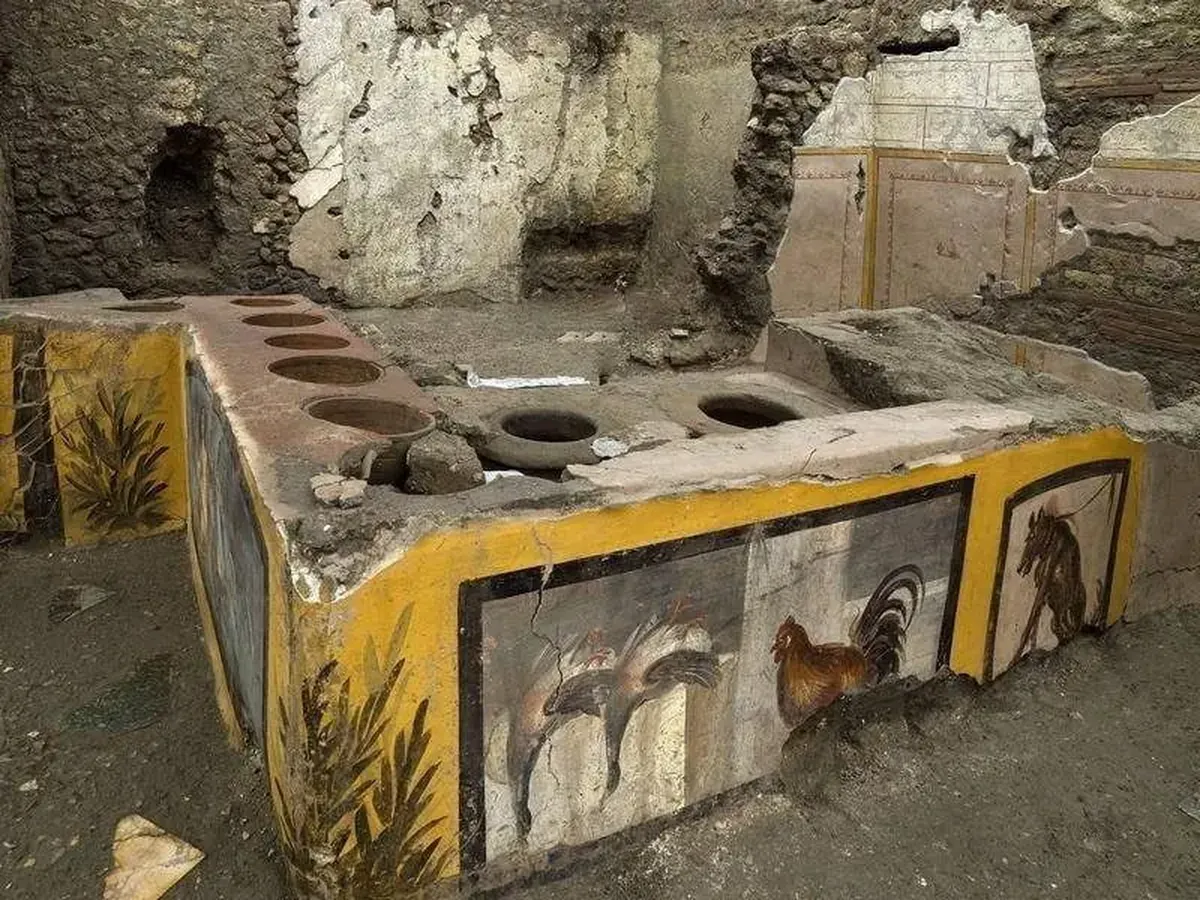
Ruins of a bakery where pizza, like that in the fresco, could have been baked
Gabriel Zuchtriegel, director of the Pompeii Archaeological Park, said the fresco highlights the contrast between “frugal and simple food” and the “luxury of a silver platter.” He pointed out that pizza began as a poor dish in Southern Italy and has since spread worldwide, appearing even in elite restaurants.
According to the Daily Mail, recent excavations revealed an atrium with an attached bakery that had been partially explored in the late 19th century. Park experts add that, in recent weeks, the skeletal remains of three eruption victims were found in the working areas near the oven. Researchers believe that this bakery could have produced the flatbread depicted in the fresco — a direct precursor to modern Italian pizza.
