Flour in the pantry and avocados in the fridge—that’s the kind of habit we develop on autopilot whenever we unload groceries. But experts say it’s worth rethinking how we store many kitchen staples, because we often get it wrong.
We’re sharing a list of foods that spark debate and explaining the best place for each in your kitchen.
How to Properly Store Raw Meat
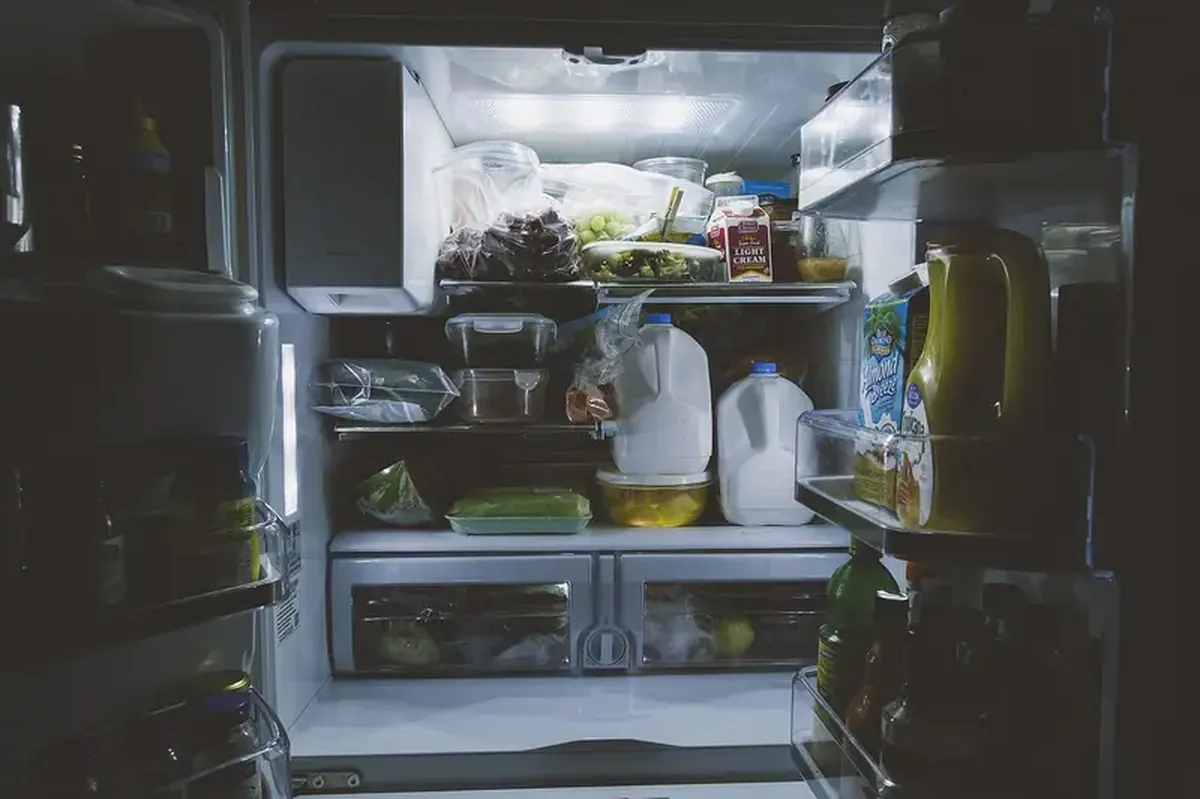
Most people know raw meat belongs in the refrigerator. But the best spot is the bottom shelf.
Professor Humphrey from the University of Liverpool explains, ‘The golden rule for storing food in the fridge is that raw meat should always be kept at the bottom. Additionally, foods that are eaten raw should be stored separately from raw meat and from cooked meat products. Fish typically doesn’t carry the same bacteria load, but it spoils very quickly.’
Not only is the bottom shelf closer to the freezer—many fridge models put the freezer at the bottom—but cold air sinks and collects there. That coldest zone is ideal for steaks, chicken, and other meats, provided you keep them in a designated container so juices can’t drip onto other foods.

Where Should You Store Avocados?
It depends on ripeness. Unlike berries or melons, avocados continue to ripen after they’re picked. That’s why many store-bought avocados are quite firm—they simply haven’t ripened yet. Don’t refrigerate unripe avocados: the cold slows the ripening process and keeps them hard. Once the fruit has softened and reached the level of ripeness you want, move it to the fridge to keep it at that stage longer.
Food safety consultant Bruce Ferry from Insight Food Safety Consulting says, ‘Undamaged fruits can be stored at room temperature. If the skin of the fruit is damaged or cut, it will darken quickly due to reactions with sugars or proteins. Fat can go rancid quickly at room temperature. So, avocados should be refrigerated and stored in the fridge if they are cut or damaged.’

How to Store Bread?
Many people put bread in the fridge thinking low temperatures will keep it fresh. But refrigeration actually speeds up staling: the starch in bread recrystallizes at low temperatures, making the loaf harder and drier. Mr. Ferry adds that bread is not considered a perishable food and can safely be stored at room temperature.
What About Pies and Pastries?
Like bread, many pies can sit at room temperature rather than in the fridge. Check the ingredients first, though—some toppings and glazes can pose a risk. Mr. Ferry says, ‘The glaze on desserts can be risky because its moist texture allows pathogens to multiply. When in doubt about safety, refrigerate those items.’

Where to Store Potatoes?
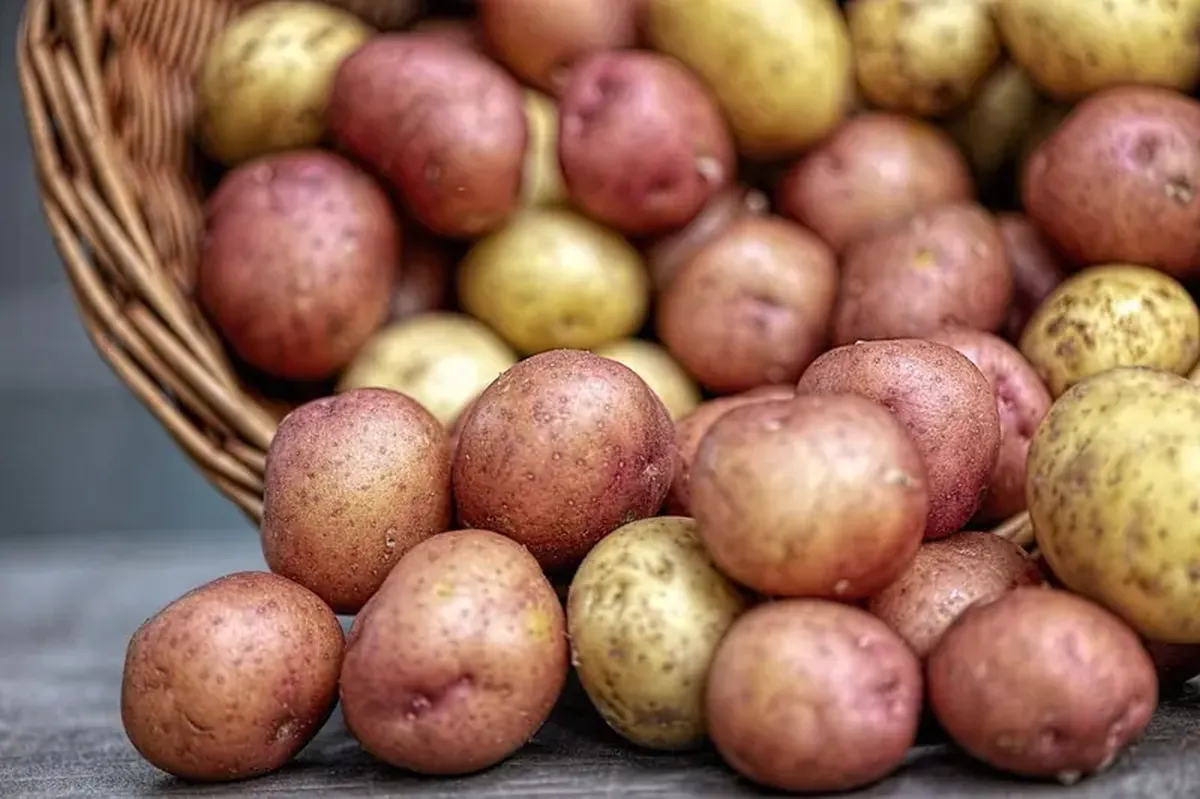
Potatoes should generally stay out of the refrigerator. Cold temperatures convert potato starches into sugars. During frying or baking, those sugars can react with the amino acid asparagine to form acrylamide, a compound considered harmful. Mr. Ferry also warns that low temperatures can encourage the growth of organisms that cause food spoilage. Store potatoes at room temperature and check them regularly so they don’t go soft.
Where in the Fridge Should You Store Eggs?
The fridge door often has a built-in egg tray, but the door is the warmest part of the fridge because it faces temperature changes from frequent opening. Place eggs toward the back of the refrigerator, where the temperature is steadier, rather than in the door container.

Where to Store Bags of Flour?
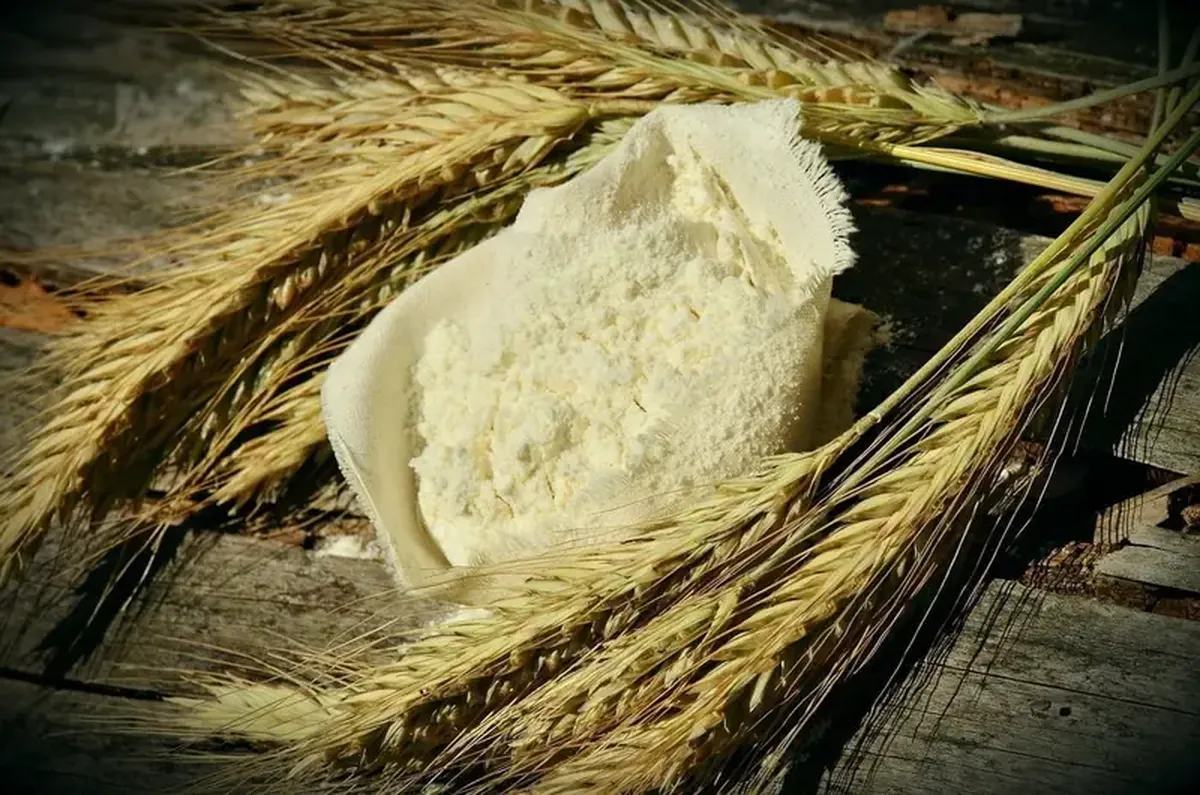
After you make dough, it’s tempting to toss a bag of flour into the pantry. Instead, transfer flour to an airtight container. That keeps out pests and moisture, which can lead to bacterial growth or mold. Sara Potter from the Institute of Food Technologists explains that moisture makes flour clump and creates an environment where harmful microorganisms can thrive. Those microbes are often invisible in flour but are killed during cooking by high temperatures.
Another good rule is to store flour in a dark place, such as a pantry. Light and heat can make flour taste bitter; it won’t become dangerous, but the flavor of dishes made with that flour can suffer. Ms. Potter adds that a cool, dark spot extends the shelf life of both whole-grain and white flour.
Interesting Facts About Apples
People often leave a bowl of apples out on the coffee table, but refrigerating certain varieties—like McIntosh and Granny Smith—can actually improve their flavor. Apples emit ethylene gas as they ripen; cooling slows that process and helps the fruit stay tasty longer. Mr. Ferry says whole, uncut fruits can be stored at room temperature, but refrigeration will preserve and sometimes enhance their flavor.

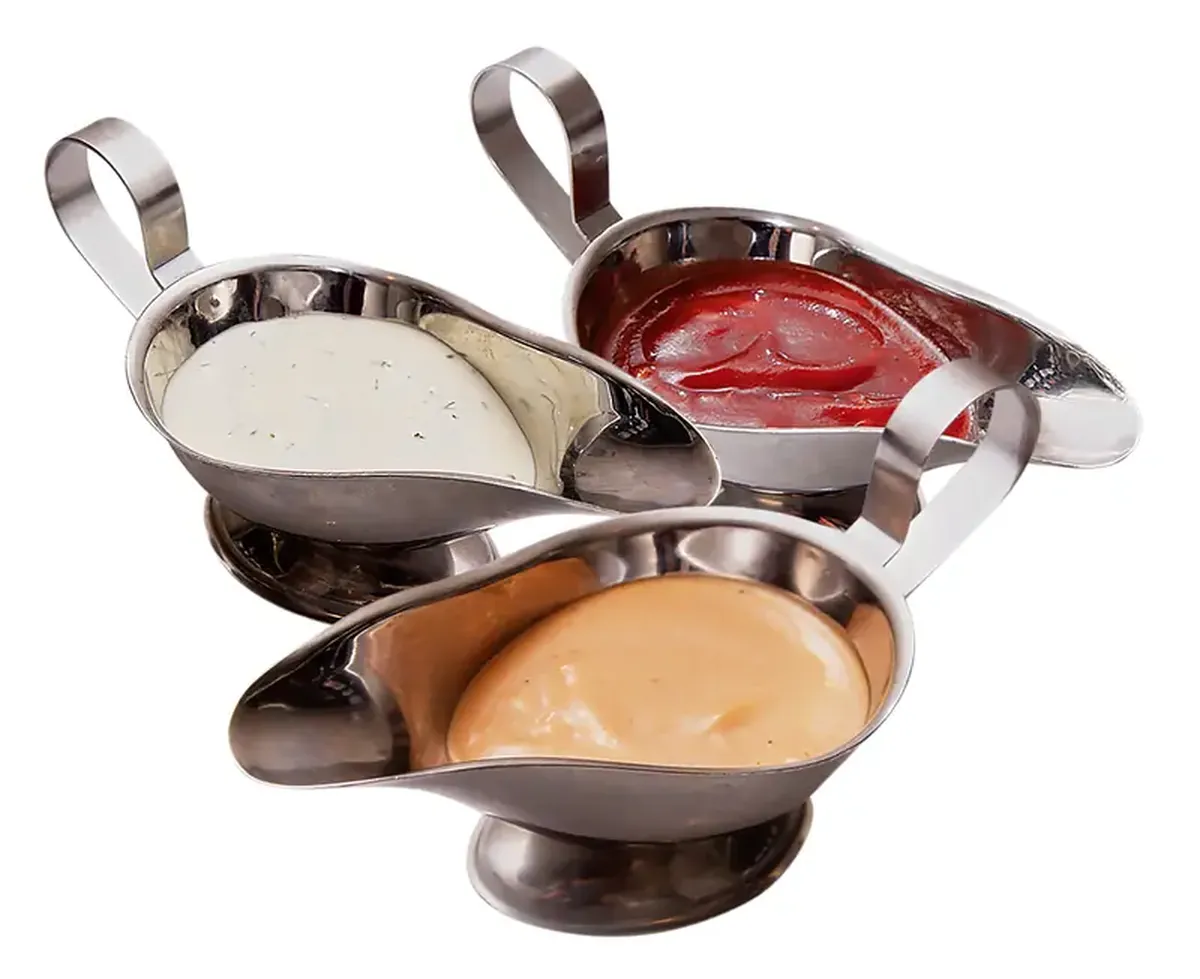
What About Mayonnaise and Ketchup?
The pantry-versus-fridge debate for mayonnaise and ketchup is common. Unopened bottles are safe at room temperature, but once opened, refrigerate them. Mr. Ferry stresses that opened sauces can develop pathogenic bacteria and spoilage organisms.
Refrigeration also reduces the risk of salmonella contamination, which is sometimes associated with eggs and egg-based products. Ferry notes that mayonnaise and ketchup behave differently: ‘Ketchup is highly acidic, while mayonnaise is an emulsion with a lot of fat. Mayonnaise can go rancid if left unrefrigerated; ketchup won’t get bitter but may darken in color at room temperature due to sugar and protein reactions.’