
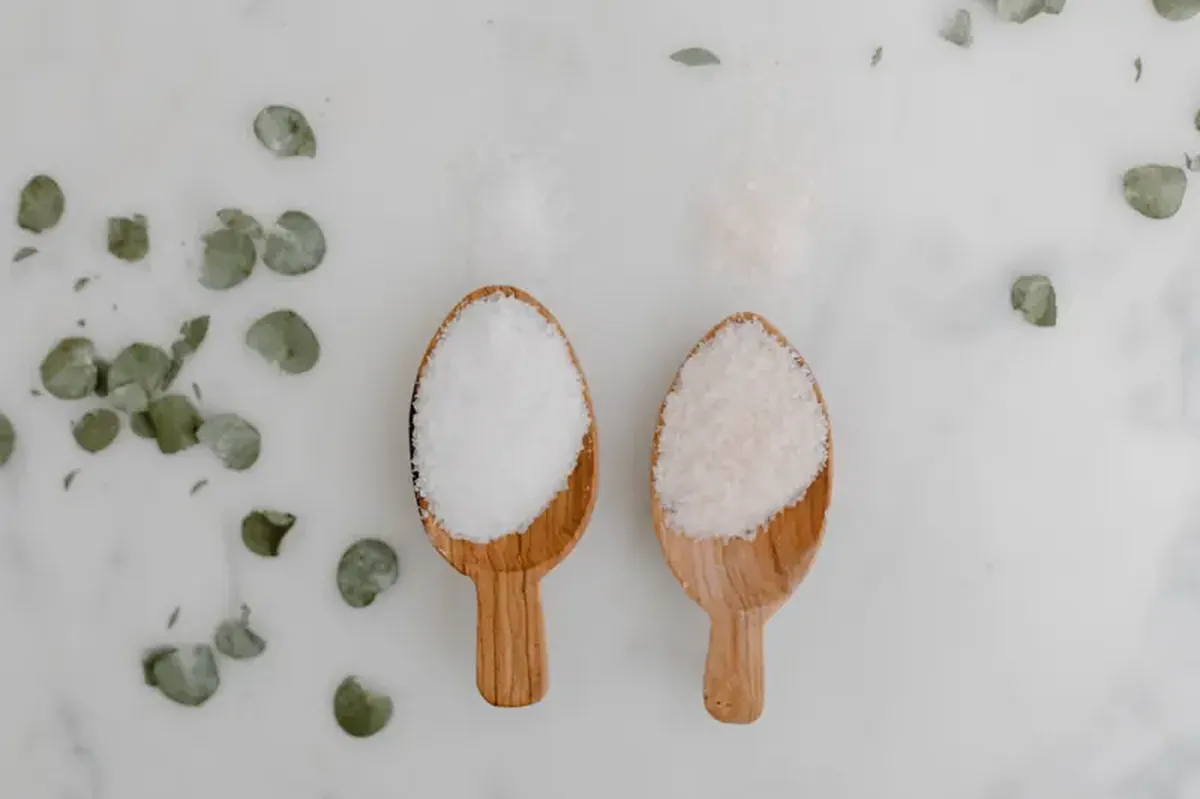
A small change to your daily diet can help prevent hypertension and other cardiovascular diseases. Replace table salt (sodium chloride, NaCl) with potassium chloride (KCl) and it can make a difference.
This insight comes from an international team of researchers from the United States, Australia, Japan, South Africa, and India. Their new study reveals that potassium-enriched salt can be used in cooking just like regular salt, and it offers health benefits.
Health authorities have long warned that excessive consumption of table salt (NaCl) raises the risk of high blood pressure and cardiovascular disease. They’ve recommended cutting daily salt intake, especially for people with hypertension. But many people find that hard to do.
About 1.28 billion adults worldwide aged 30 to 79 have hypertension. Each year, more than 17 million people die from heart attacks and strokes globally.

A Simple and Effective Solution
Researchers say switching to potassium-enriched salt could help people who can’t give up salty flavors. This type of salt is also called low-sodium salt, potassium salt, heart salt, or mineral salt.
Potassium chloride looks like sodium chloride and tastes similar, Science Alert reports.
Researchers say potassium-enriched salt lowers blood pressure both by cutting sodium intake and by increasing potassium intake. Potassium — which we get mostly from fruits and vegetables — is often lacking in people’s diets, and that deficiency is another contributor to high blood pressure.
What Did the Researchers Discover?
The team collected evidence in a randomized study of 20,995 participants from multiple countries. The results showed that switching to potassium-enriched salt reduced blood pressure and lowered the risk of heart attacks, strokes, and premature death.
They also reviewed 21 previous studies, which supported the benefits of potassium salt.
The researchers modeled the potential impact in different countries. For example, if everyone in China switched to KCl salt, the model estimated it could prevent nearly half a million strokes and heart attacks each year.
In its 2023 global report on hypertension, the World Health Organization called potassium-enriched salt an “affordable strategy” for lowering blood pressure and preventing cardiovascular disease.

Why Do So Few People Use KCl?
Most people don’t track how much salt they eat or realize the health risks. Few know that simply swapping to potassium-enriched salt can help lower blood pressure and reduce cardiovascular disease.
A lack of awareness and uncertainty about availability keep people from making the switch, even though the product is sold on supermarket shelves.
Potassium salt costs roughly one and a half times more than regular salt. It’s not prohibitively expensive, and the slightly higher price could be worthwhile if it prevents these diseases.
Who Should Avoid Potassium Salt?
People with elevated blood potassium levels (hyperkalemia) should avoid it. Those with serious kidney disease and people with diabetes should also avoid potassium-enriched salt.
