
 Gaby
Gaby
Most healthy-eating guidelines recommend eating at least five servings of fruits and vegetables a day. That means regularly washing your produce.
Produce from grocery stores, farmers’ markets, or your own garden picks up microbes and can carry pesticides and other contaminants. Washing it well protects your health and can also help it last longer.
Popular Science pulled together nutrition experts’ key rules to help your fruits and vegetables reach the table clean and intact.
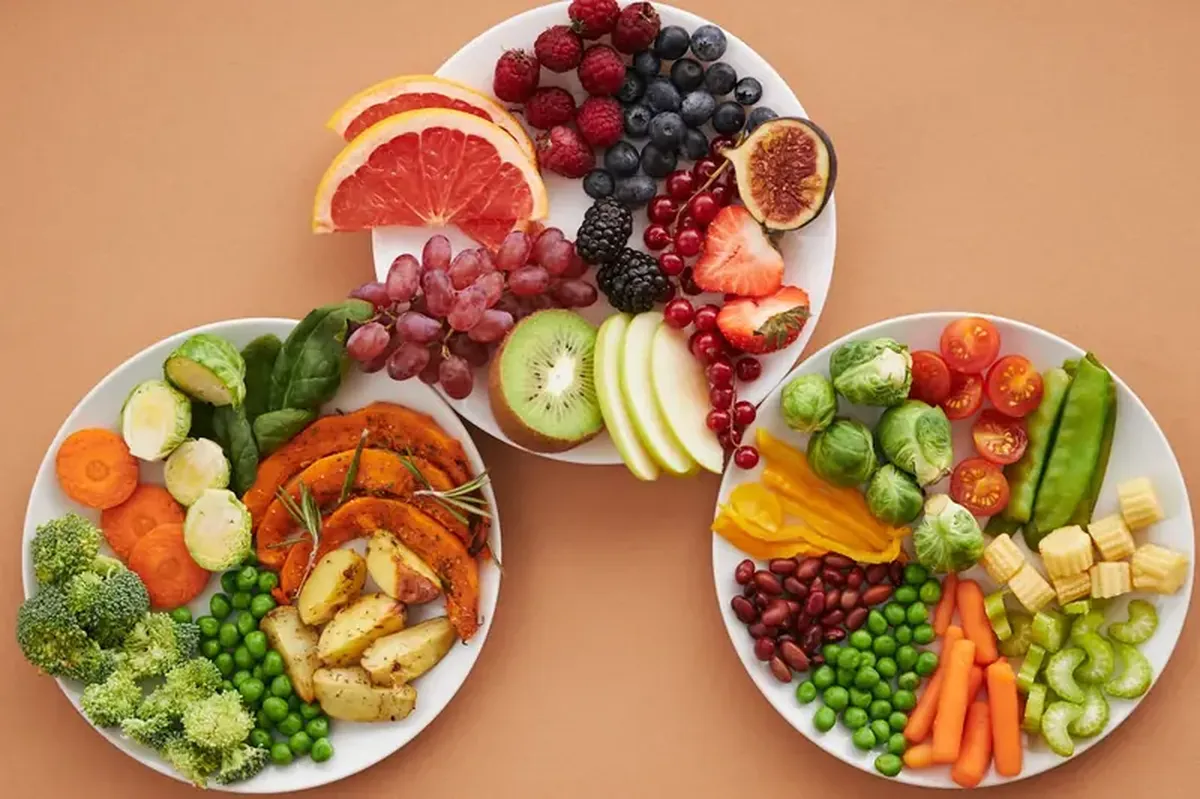
Why Wash Them at All?
Produce can carry pesticides, including fungicides, which may affect health. It can also be contaminated with pathogens like E. coli and Salmonella and pick up environmental pollutants such as heavy metals and airborne toxins. Washing fruits and vegetables reduces these unwanted substances, making meals safer while preserving nutrients.
Are Cleaning Agents Necessary?
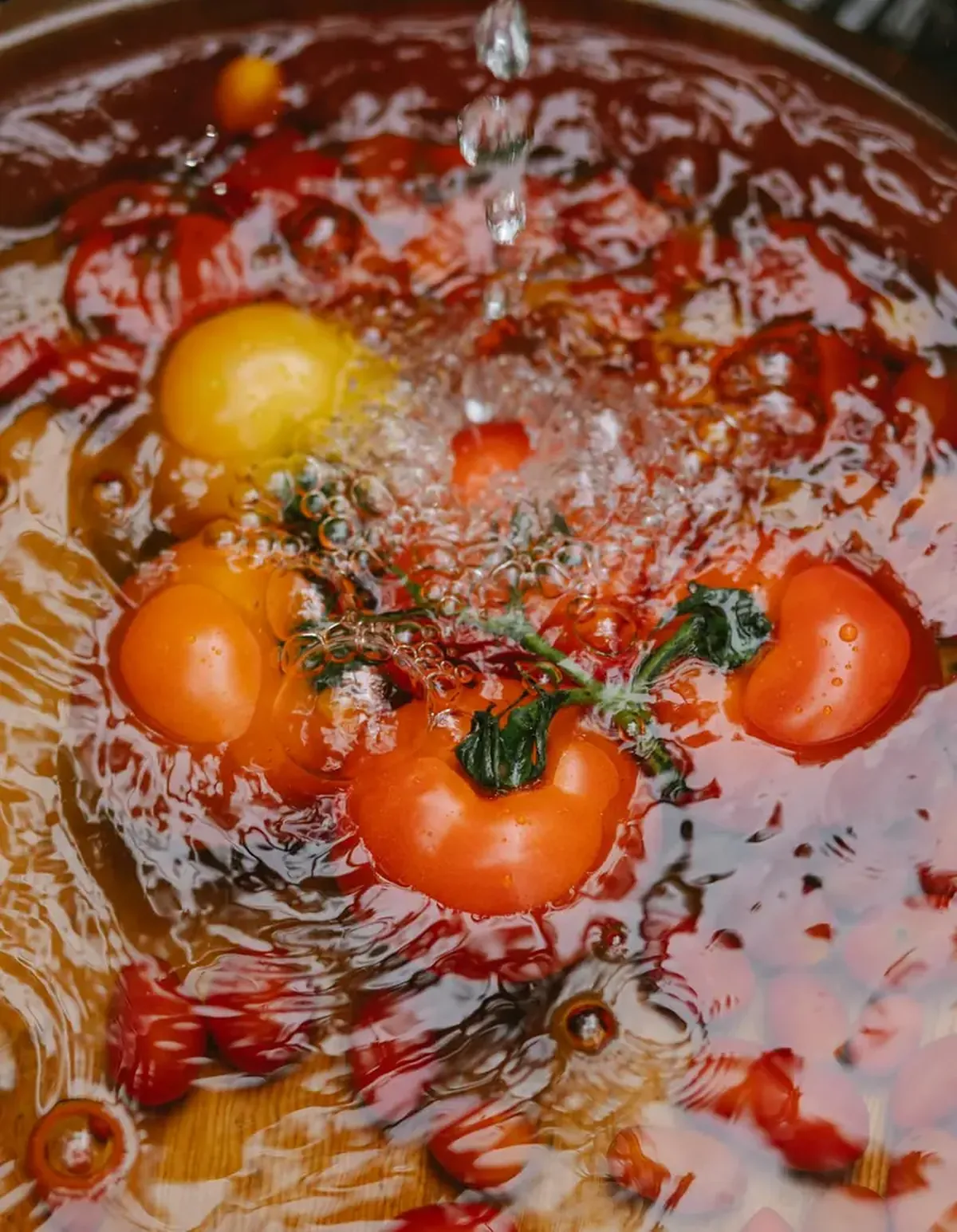
You don’t need soap, vinegar, lemon juice, baking soda, or commercial produce washes to clean fruits and vegetables. The U.S. Food and Drug Administration (FDA) doesn’t recommend those cleaners. Studies show that rinsing produce under cold running water is just as effective as using, for example, a vinegar solution.

Where to Start?
Before you wash produce, take steps to prevent cross-contamination. Wash your hands with soap and hot water for at least 20 seconds. Clean utensils, surfaces, and dishes with hot, soapy water, then wipe them with a food-safe disinfectant to remove any remaining bacteria. Also clean and disinfect your produce brush after each use.
Before washing fruits and vegetables, inspect each item carefully and remove any damaged parts. Spoiled sections can harbor harmful pathogens and spread contamination to the rest of the product.
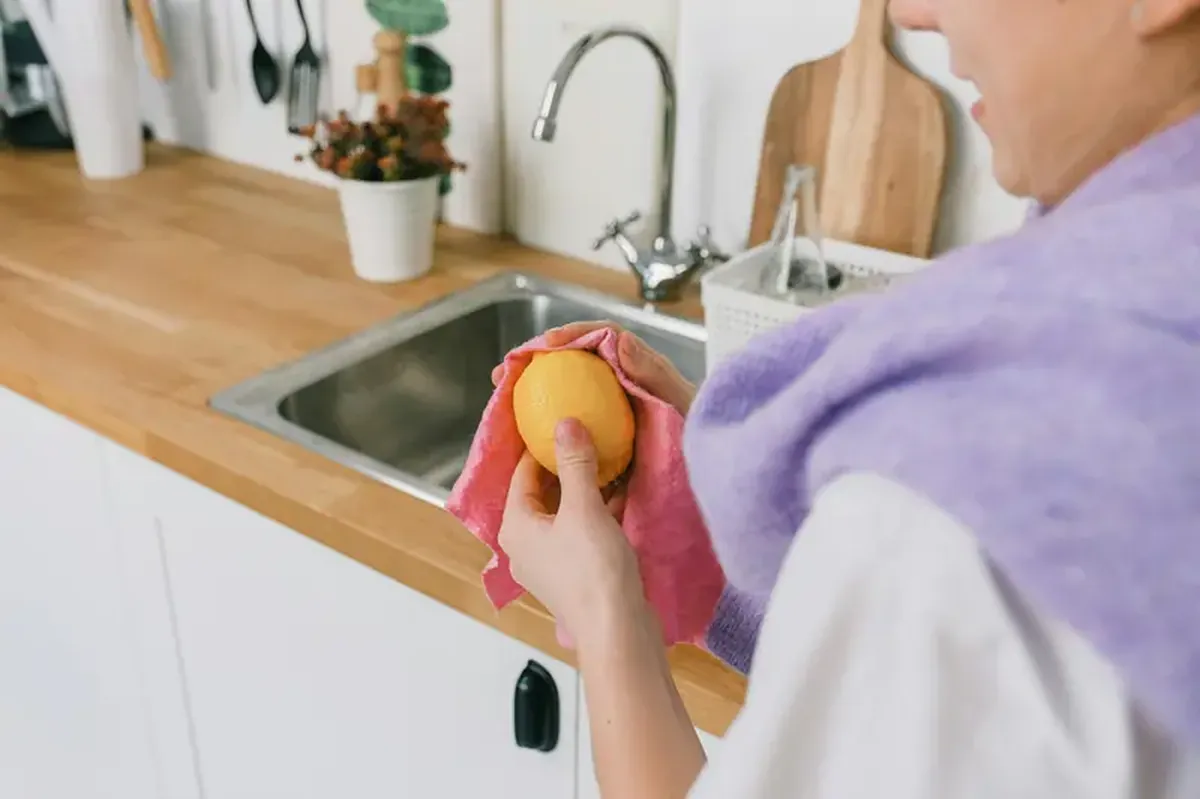
For firmer produce—apples, lemons, and root vegetables like potatoes and carrots—thorough cleaning is important because they come into contact with soil. Use a clean, soft-bristled brush and cold running water to remove dirt and surface bacteria. The firm texture helps prevent damage during scrubbing.
Greens
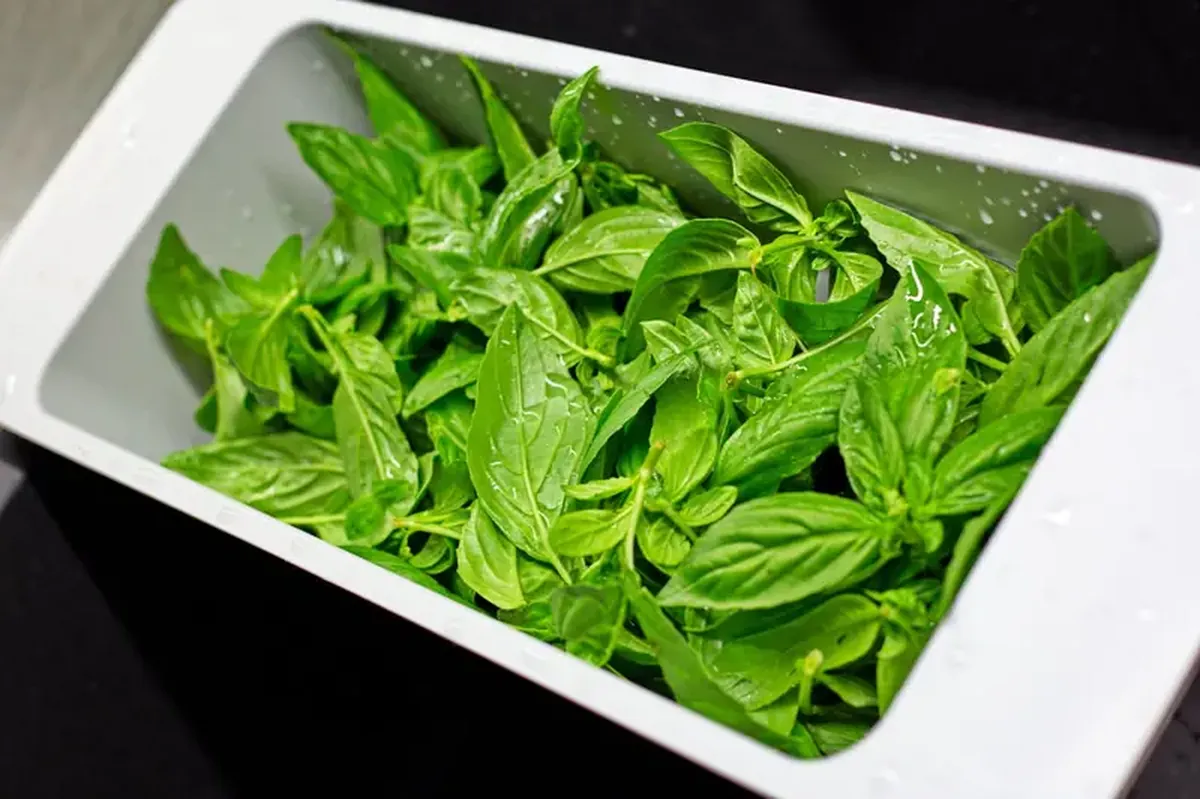
Leafy greens like spinach, lettuce, and Swiss chard are delicate and need gentle handling. Remove the outer leaves first—those are usually the most damaged and contaminated. Then submerge the greens in a bowl of cool water and gently rinse them under running water to dislodge tiny bits of dirt and surface bacteria.
Other Delicate Products
Delicate items such as strawberries and mushrooms shouldn’t be scrubbed with a brush—that can damage their surface. Rinse strawberries gently under a light, steady stream of water.
Soak mushrooms briefly and then wipe them with your fingers to remove visible dirt. But remember that their porous texture means they absorb water quickly, which can change their texture and flavor.
Drying
Drying produce properly helps prevent spoilage and keeps bacteria that thrive in moisture from growing. Aim to remove as much moisture as possible without damaging the food.
If you’re going to slice produce, lay it out single-layer on a clean, dry surface and let it air-dry or use a fan. Good air circulation prevents tiny droplets where bacteria can gather.
Store dry produce in airtight containers in a cool, dry place to keep it whole and extend its shelf life.
