
 Gaby
Gaby
A team led by Dr. Raaj Mehta, a Harvard Medical School faculty member and a physician at Massachusetts General Hospital, analyzed the link between citrus consumption, the gut microbiome, and depression risk. They found that the gut bacterium Faecalibacterium prausnitzii may mediate how citrus fruits and their flavonoids affect mood.
Depression and Nutrition
More than 280 million people worldwide have depression. Its exact causes are still unclear, and treatment often falls short. Medical professionals report that initial antidepressant treatment fails for 70 percent of patients, and these medications can cause serious side effects.
Researchers have long suspected diet could help prevent and treat depression. For example, the Mediterranean diet has been linked to roughly a 35 percent lower risk of developing depression. But how diet influences mood remains unclear.
What Scientists Discovered
Dr. Mehta’s team recently found a connection between eating citrus—especially oranges and grapefruits—and a lower risk of developing depression.
“I was working with a wonderful postdoctoral fellow named Chatpol Samutpongthorn, who was reviewing the literature on depression in search of an interesting project to tackle. He came across a 2016 article suggesting that citrus fruits might reduce the risk of depression,” Dr. Mehta explained.
With access to a large dataset, they set out to explore the idea in more depth, as reported by Sci.news. The team used data from the Nurses’ Health Study (NHS) II, which began in 1989 to identify risk factors for major chronic diseases in women.
More than 100,000 women participated, reporting detailed information about their lifestyle, diet, medication use, and health every two years. So Dr. Mehta’s team decided “to use this data to find evidence that nurses who consumed a lot of citrus had lower rates of future depression compared to those who did not.”
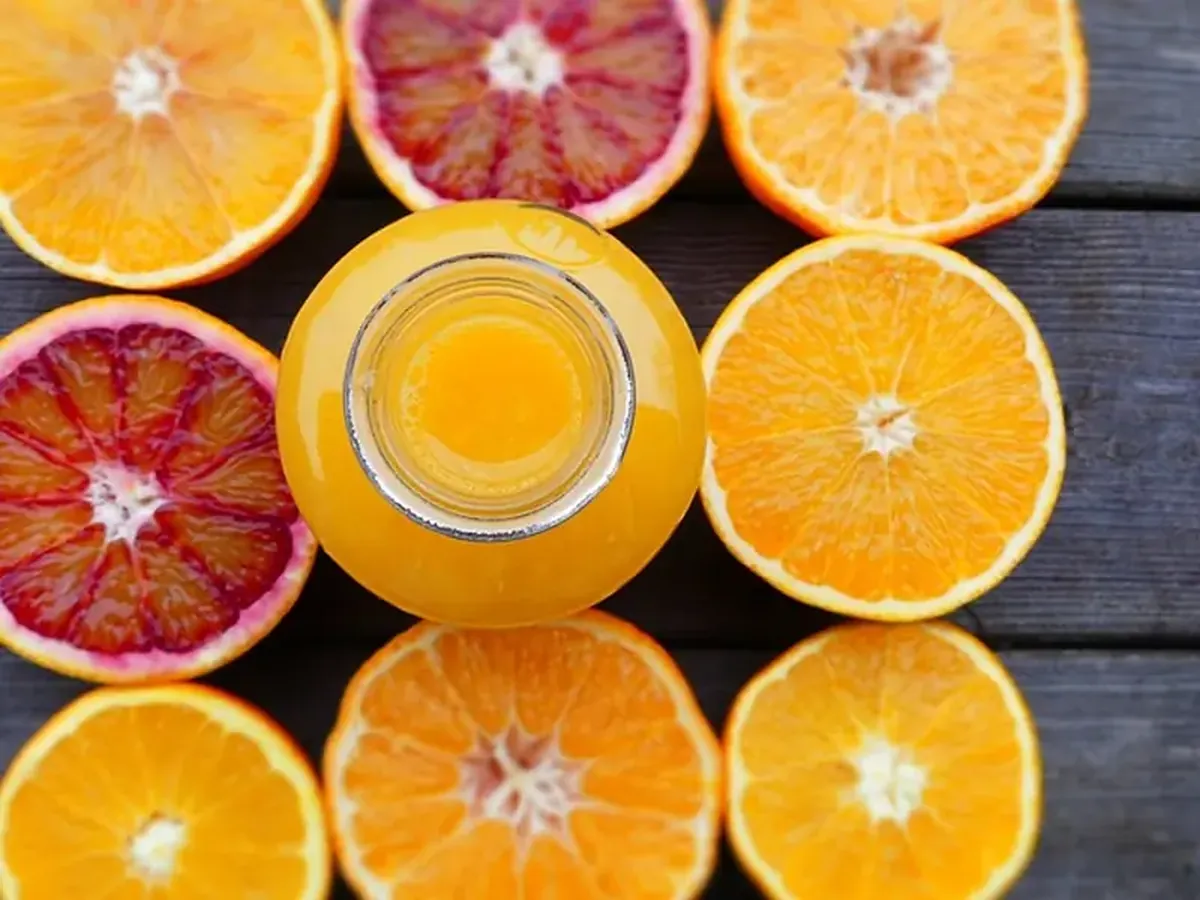
Here’s what they found: eating one medium orange a day was associated with about a 20 percent lower risk of developing depression.
“When we look at overall fruit and vegetable intake or individual fruits like apples or bananas, we don’t see a link with depression risk,” Dr. Mehta said.
They used DNA sequencing of stool samples to look for links between citrus consumption and specific gut bacteria. One species stood out: Faecalibacterium prausnitzii.
“In people without depression, levels of this bacterium were higher than in people with depression, and high citrus intake was also associated with elevated Faecalibacterium prausnitzii,” the lead researcher said. He suggested this bacterium might link citrus consumption to better mental health.
Because the original study included only women, the team looked for confirmation in men. They analyzed data from a similar study—the Men’s Lifestyle Validation Study—and found that higher levels of Faecalibacterium prausnitzii were linked to lower depression risk.
“Then the question arose: how does Faecalibacterium prausnitzii help people feel better? We think one answer is that these bacteria use a metabolic pathway called the S-adenosyl-L-methionine cycle to influence levels of two neurotransmitters—serotonin and dopamine—produced by human gut cells,” Dr. Mehta explained.
He added, “These neurotransmitters regulate how food moves through the digestive tract but can also travel to the brain, where they influence mood.”
Mehta hopes the results will prompt more research into diet and mental health. “I think people intuitively understand that the food we eat affects our mood. We even have a term for it: comfort food — food that makes us feel better,” he said.
The findings were published in the journal Microbiome.
